
250 anniversary of Dominique-Jean Larrey
ABOUT
250 anniversary of Dominique-Jean Larrey
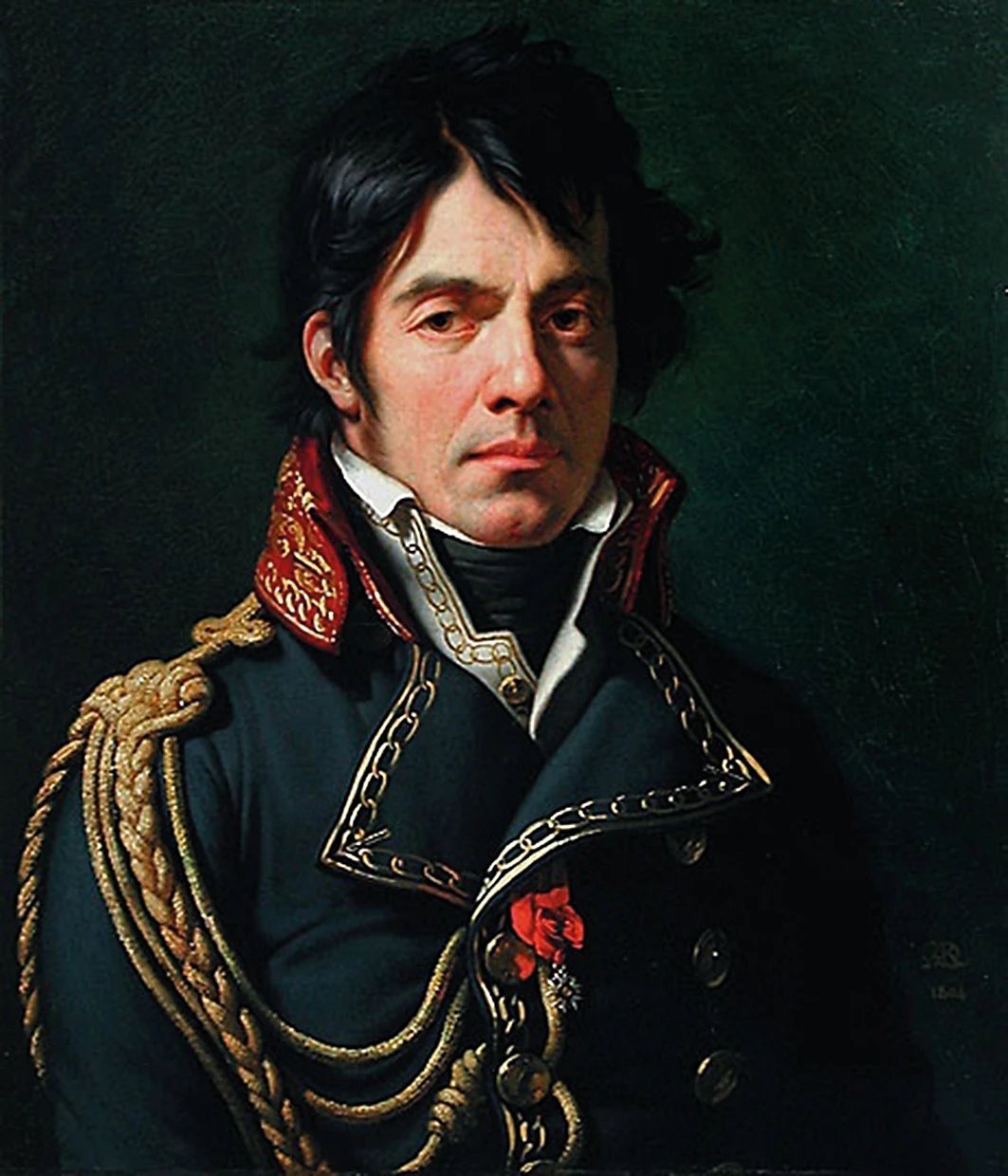
On July 8th, we celebrate the 250th anniversary of Dominique-Jean Larrey, the legendary chief surgeon of Napoleon’s Grand Armée. His contemporaries remembered him as a brilliant surgeon, a talented physician, and a fearless man with a kind heart, for whom the fates of his patients were more important than his own life!
We, his descendants, remember him for the discoveries that forever changed military medicine. First, he created “flying medical carriages” (ambulances volantes)—light, horse-drawn carriages that made it possible to evacuate the wounded directly from the battlefield in a matter of minutes, rather than leaving them to suffer for days on end. Second, he introduced the first wound triage system—treating the wounded victims based on the severity of their injuries and probability of medical outcome, rather than on military rank or nationality.

"Flying medical carriages” (ambulances volantes) invented by Jean Larrey for evacuation of the casualties from the battlefield to the field hospital (AI-image, prompted by author).
He performed remarkable feats of endurance, carrying out more than 200 amputations in a single day during the Battle of Borodino near Moscow. He also pioneered the first successful pericardial aspiration—the removal of fluid from the area around the heart. In addition to his skill, Larrey was known for his extraordinary compassion. He treated both friends and enemies equally; on one occasion, he saved the life of an enemy general’s son—an act that later spared him from execution after Waterloo.
Napoleon himself called Larrey “the most virtuous man I have ever known”. Today, he is honored as the father of emergency medical care and modern military medicine—a man whose legacy continues to save lives on battlefields and in ambulances.
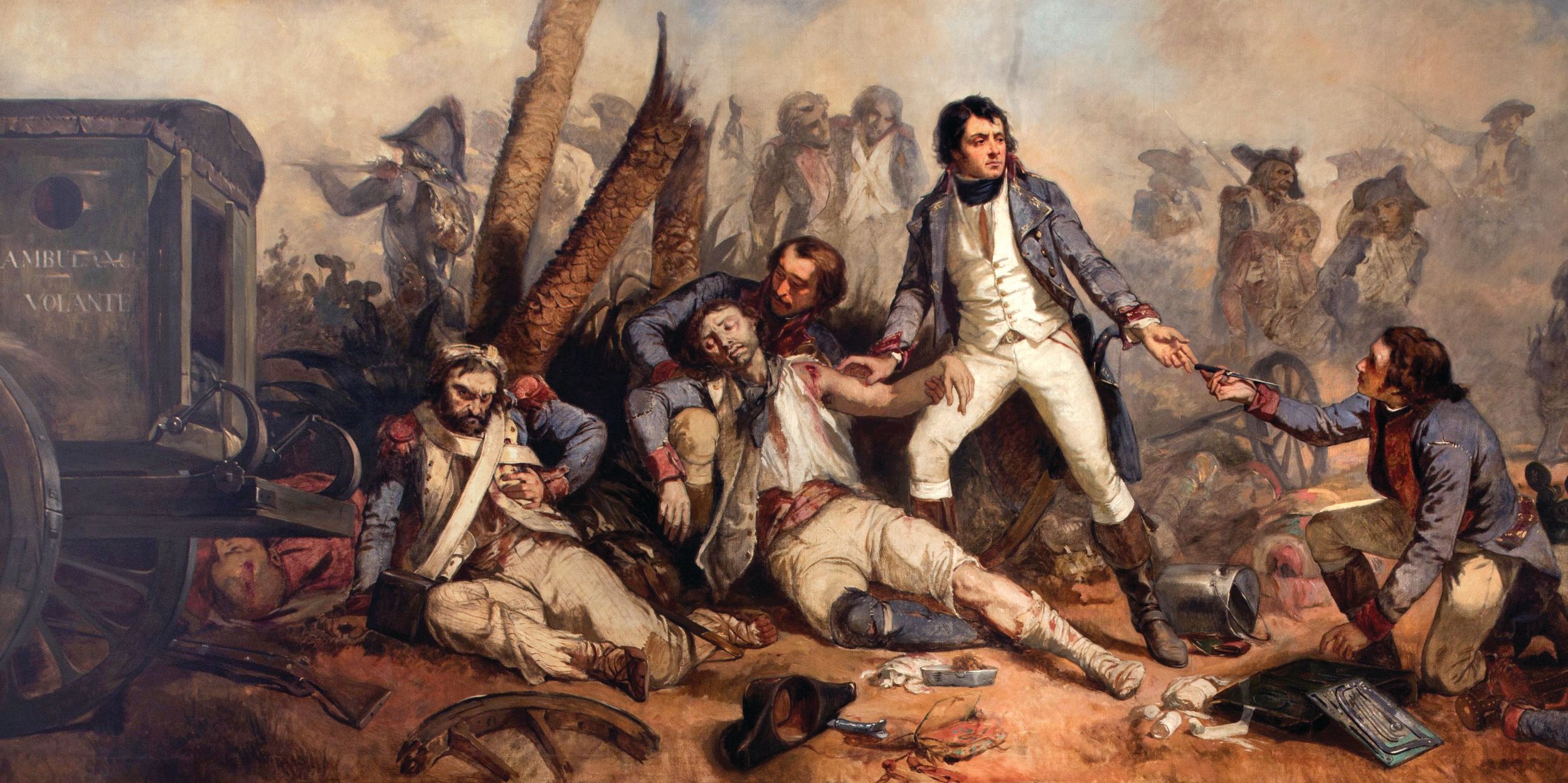
Painting by Charles-Louis Muller (1815–1892). Larrey performing surgery on the battlefield of Eylau on February 7, 1807 (Paris, Académie Nationale de Médecine).