
People19 results
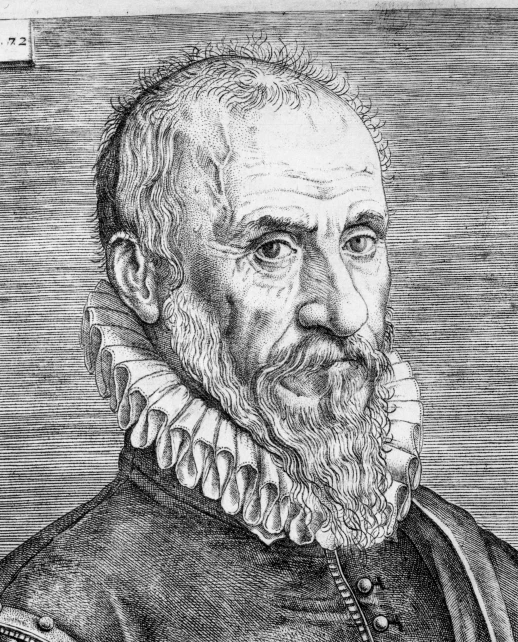
Barber-Surgeon
France , 1510 - 1590
Ambroise Paré (1510-1590), considered to be 'père de la chirurgie française' (father of French surgery), royal surgeon to four kings. Born in the French province, he revolutionised surgical practice despite having developed only a few entirely original methods. Paré's status as the ‘father of French surgery’ is not due to individual inventions, but primarily to the fact that, thanks to royal support, his voice could not be ignored. His revolutionary methodology for the time included empirical observation (instead of reading the classics), challenging dogma (rather than commenting on ancient authors), democratising knowledge (books in vernacular French rather than scholarly Latin) — thanks to his numerous widely circulated publications richly illustrated, his ideas and concepts found their target audience and drowned out the opinions of conservative opponents, while the status of surgeons was raised from that of modest craftsmen to the noble authority of university medicine.
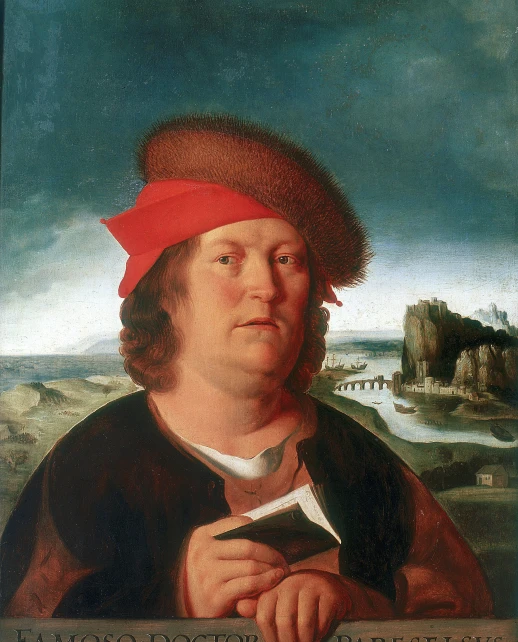
Scientist
Switzerland , 1493 - 1541
Paracelsus, also known by his full name Philippus Aureolus Theophrastus Bombastus von Hohenheim (1493–1541), was a Swiss-German physician, alchemist, natural philosopher, and one of the most controversial medical reformers of the Renaissance. He became famous because he challenged the authority of Avicenna, Galen, and Celsius, and the contemporary university medicine, argued that physicians should learn from direct experience, and promoted the use of chemical and mineral remedies. His importance lies especially in the connection he made between medicine and chemistry, which helped prepare the way for iatrochemistry, pharmacology, toxicology, and modern ideas about dosage. Britannica describes him as a physician and alchemist who “established the role of chemistry in medicine” and notes his famous surgical work Der grossen Wundartzney of 1536.
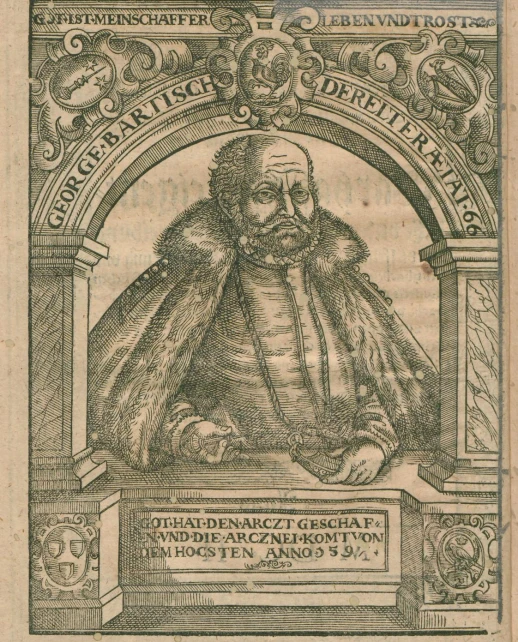
Barber-Surgeon
Germany , 1535 - 1607
Georg Bartisch (1535–ca.1607), famous German barber-surgeon, founder of modern ophthalmology. Oculist, barber-surgeon, urologist, author of Ophthalmodouleia
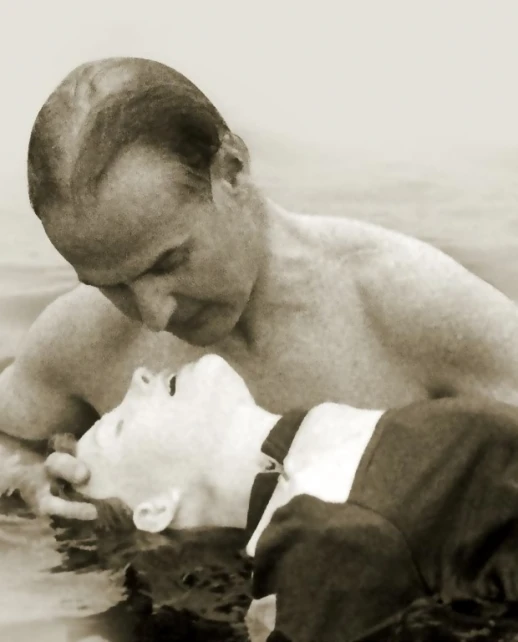
Entrepreneur
Norway , 1913 - 1981
Åsmund S. Lærdal (Asmund S. Laerdal), a Norwegian entrepreneur and humanitarian, made significant contributions to emergency medical care by creating Resusci Anne, the first realistic CPR training manikin, in 1960. Laerdal's work revolutionized resuscitation training and later entire medical education. He founded Laerdal Medical, a company that continues to innovate in medical simulation, helping millions worldwide learn life-saving skills and reducing fatalities from emergencies.
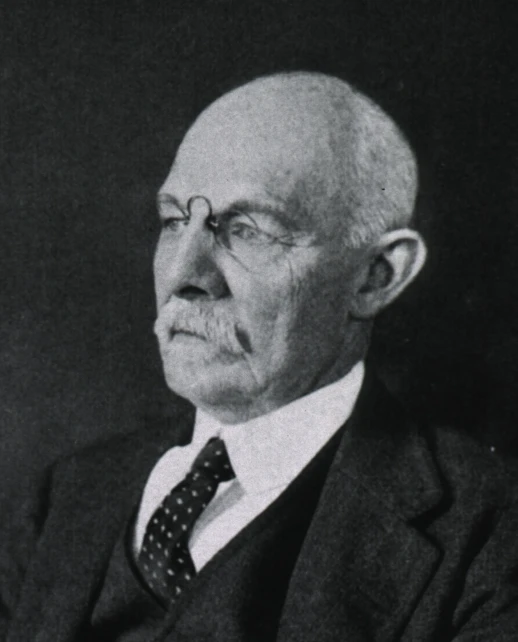
Surgeon
USA , 1852 - 1922
William Stewart Halsted (1852–1922) was an American surgeon, born in New York City, and one of the “Big Four” founding professors of Johns Hopkins Hospital. He studied medicine at Columbia University (graduating in 1877) and refined his skills in Europe (1878-1880). He pioneered aseptic surgical techniques, adopted German surgeons' training system and introduced the first American surgical residency program at Johns Hopkins in 1889. He established the Halstedian principles: gentle tissue handling, meticulous hemostasis, and layered wound closure. In 1889, he also became the first Chief of Surgery at Johns Hopkins. He introduced rubber surgical gloves (1890), initially to protect his nurse and future wife from skin irritation. Halsted also made major contributions to breast cancer surgery (Halstedian radical mastectomy) and the use of local anesthesia, though his experiments led to lifelong cocaine and morphine addiction. He died in 1922 in Baltimore, leaving a legacy as the architect of American modern surgical training and technique.
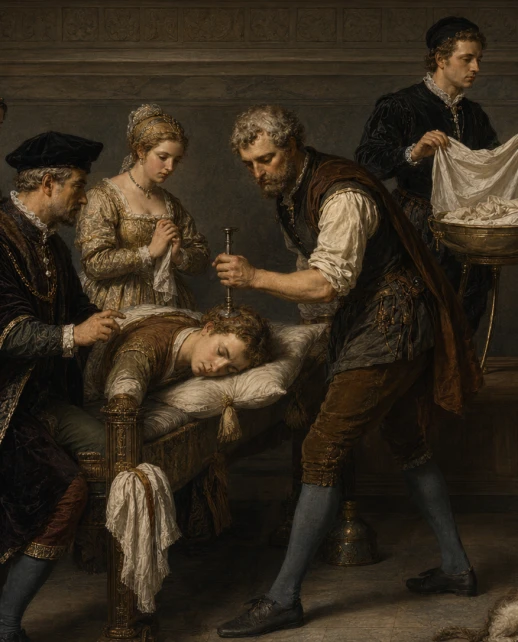
Barber-Surgeon
Italy , 1515 - 1575
Giovanni Andrea Della Croce (1515–1575), Italian Renaissance surgeon, neurosurgeon and traumatologist. Venetian surgeon published his landmark seven-volume surgical compendium in Latin (1573) and Italian (1574), bringing cutting-edge knowledge to physicians and barber-surgeons alike. Grounded in battlefield experience and rich in illustration, his work transformed surgery from a craft into a teachable science — earning him comparison with France's Ambroise Paré.
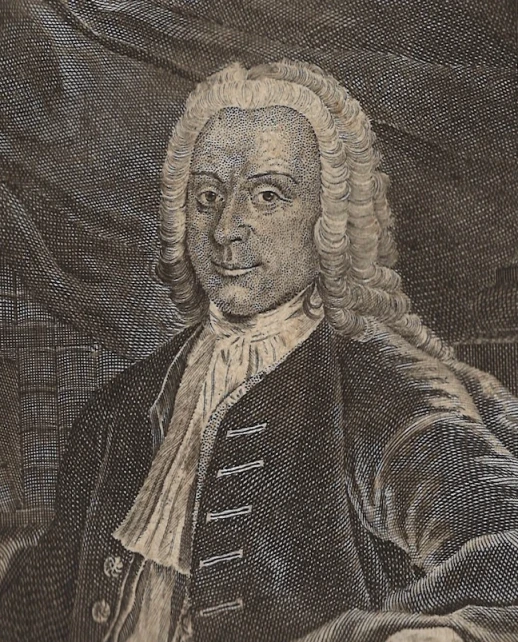
Surgeon
Germany , 1683 - 1758
Lorenz Heister, an 18th-century prominent German surgeon, Professor of Anatomy and Surgery at the University of Altdorf, Germany. He authored influential books translated into multiple languages, leaving a lasting impact on medical education, including famous "Chirurgie, in welcher alles was zur Wund Artzney gehöret, nach der neuesten und besten Art, gründlich abgehandelt wird." translated in all main European languages.
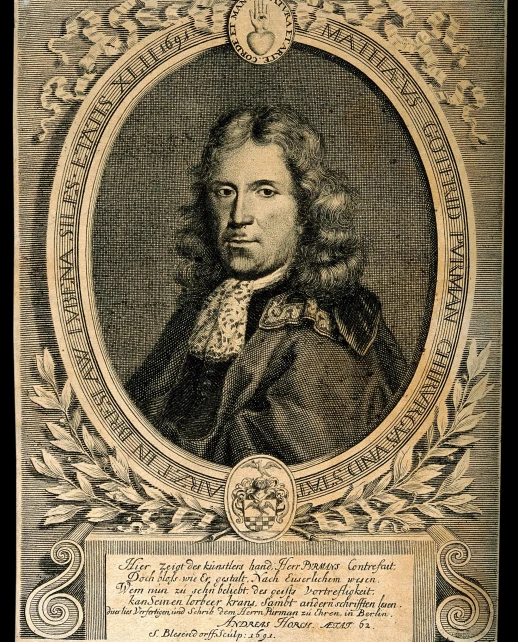
Surgeon
Germany , 1683 - 1758
Matthaeus Gottfried Purmann or Matthäus Gottfried Purrmann (1648–1711), Silesian surgeon and city doctor (Stadt-Physicus) of Breslau. He is known for his detailed study of moxibustion, in 1668, he performed the first in Germany blood transfusion from a lamb to a human (xenotransfusion), and was very active author of German-language surgical manuals.
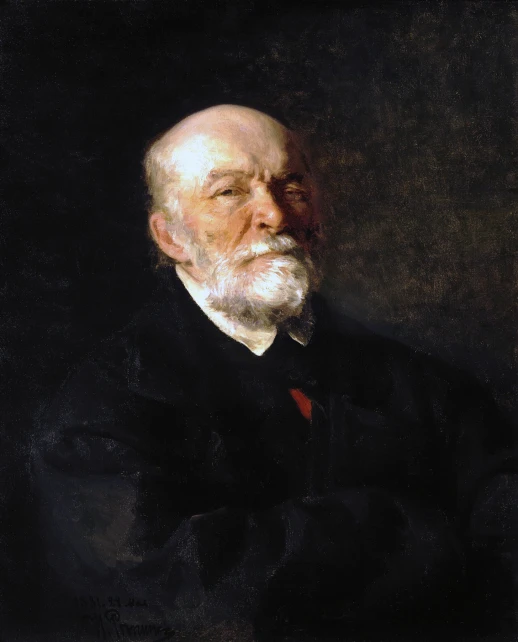
Surgeon
Russia , 1810 - 1881
Nikolay Ivanovich Pirogov (Russian: Николай Иванович Пирогов; 25.11.1810 – 5.12.1881) was a renowned Russian surgeon, "The father of Russian field surgery" and "The father of Russian topography anatomy", scientist, professor of surgery, publicist and author. Pirogov promoted surgical anaesthesia in Russian Empire, was the first who describe some negative effects and possible complications of general anaesthesia. He was one of the first in the world introducing ether anaesthesia on the battlefield.
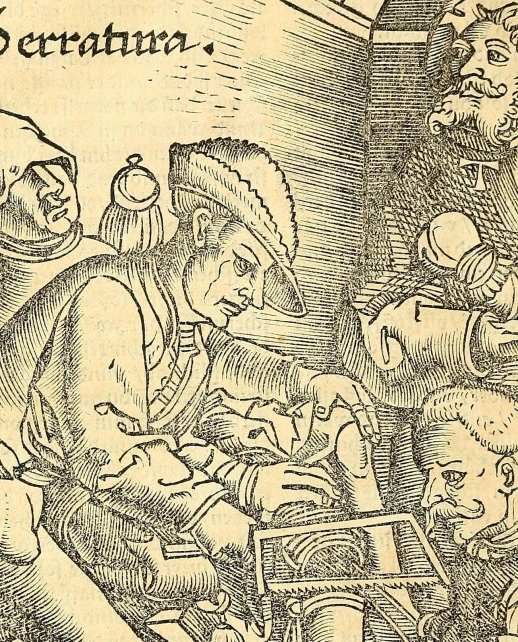
Barber-Surgeon
Germany , 1455 - 1529
Hans von Gersdorff (1455-1529) was a German surgeon and medical writer who lived during the 15th and early 16th centuries. He is best known for his military surgical experience and his influential medical manual, the Feldtbuch der Wundarzney (Field Book of Wound Medicine), which became one of the most widely used surgical textbooks in medieval Europe. His work played a crucial role in shaping the field of surgery, particularly in the treatment of battlefield injuries, amputations, and wound care.
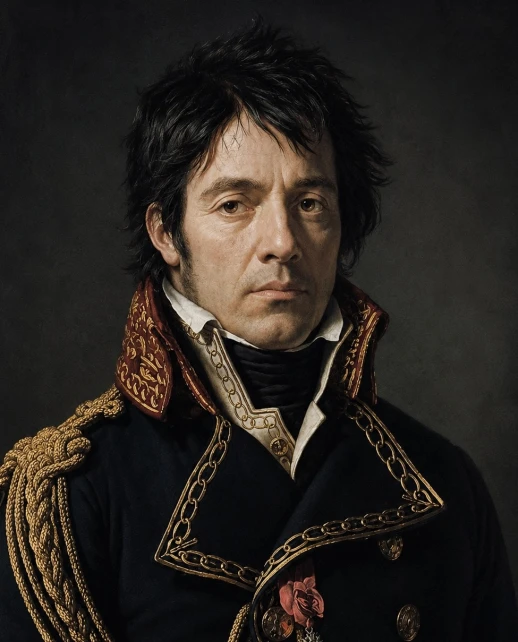
Surgeon
France , 1766 - 1842
Dominique-Jean Larrey (8 July 1766 — 25 July 1842), the legendary chief surgeon of Napoleon’s Grand Armée. His contemporaries remembered him as a brilliant surgeon, a talented physician, and a fearless man with a kind heart, for whom the fates of his patients were more important than his own life! He was inventor of the “flying medical carriages” (ambulances volantes) and wound triage system—treating the wounded victims based on the severity of their injuries and probability of medical outcome, rather than on military rank or nationality. Napoleon himself called Larrey “the most virtuous man I have ever known” a. Today, he is honored as the father of emergency medical care and modern military medicine—a man whose legacy continues to save lives on battlefields and in ambulances.
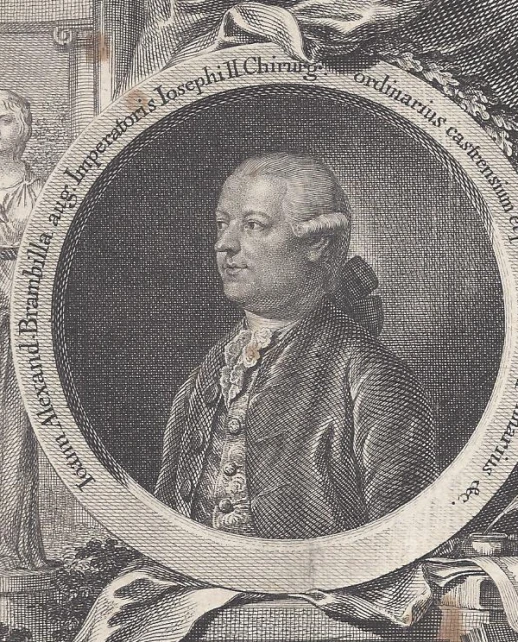
Surgeon
Austria , 1728 - 1800
Giovanni Alessandro Brambilla, Baron di Carpiano(San Zenone al Po, April 15, 1728 – Padua, July 30, 1800, was a great Italian and Austrian surgeon, Court Surgeon of the Emperor Joseph II, founder and the first director of the Military Medicine-Surgical Academy Josephinum, Vienna, Austria
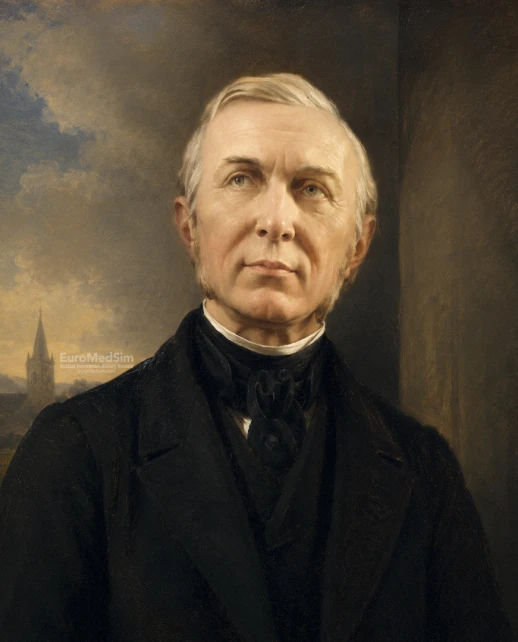
Pastor
Germany , 1800 - 1864
Theodor Fliedner (1800–1864) was a German Protestant pastor and social reformer. In 1836, together with his wife Friederike, he founded the Kaiserswerth Deaconess Institute, combining nursing education, hospital practice, and religious service. Its model helped professionalise nursing, spread internationally, and influenced Florence Nightingale.
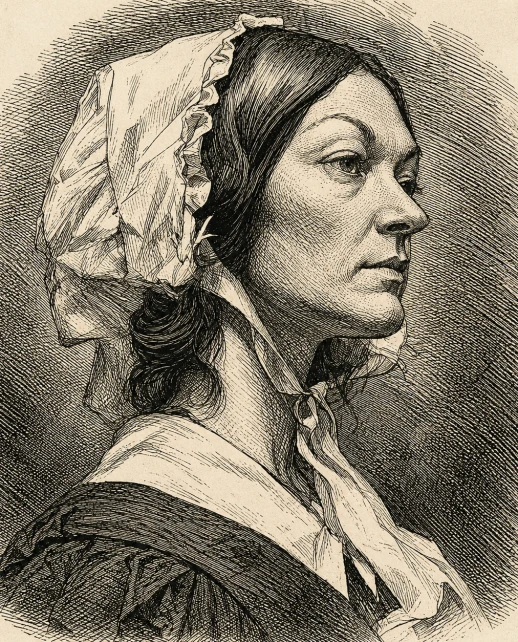
Nurse
England , 1820 - 1910
Florence Nightingale (1820–1910) founded modern nursing in Great Britain, transforming it from a disreputable occupation into a respected profession. Despite fierce family opposition, Nightingale persisted, eventually training at the Nursing School of Protestant Deaconesses in Kaiserswerth, Germany, in 1851. During the Crimean War, she led 38 nurses to Scutari, where she implemented sanitation measures that drastically reduced the mortality rate from 42% to 2%. Known as "The Lady with the Lamp," she also pioneered medical statistics, creating polar area diagrams to visualise preventable deaths. In 1860, she established the first secular nursing school at St Thomas' Hospital, London. Her legacy endures through International Nurses Day, celebrated on her birthday, and her foundational text Notes on Nursing.
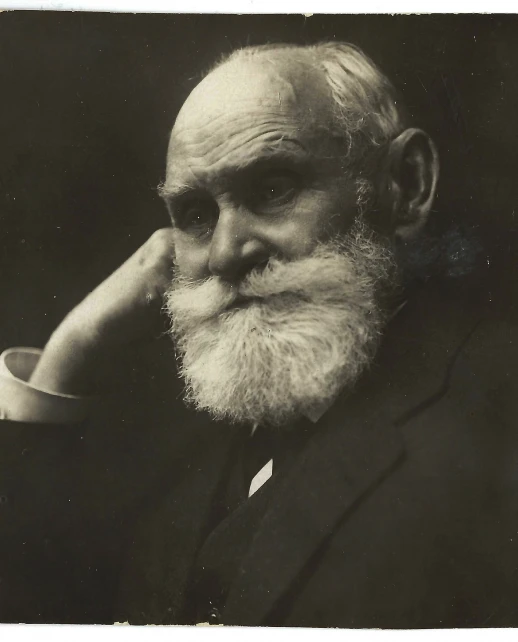
Scientist
Russia , 1849 - 1936
Ivan Petrovich Pavlov (26.09.1849 – 27.02.1936), Russian and Soviet experimental neurologist and physiologist, Nobel Prize winner.
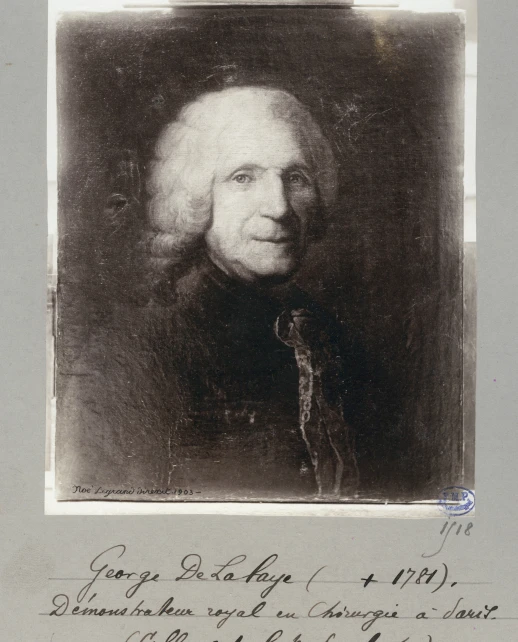
Surgeon
France , 1699 - 1781
Georges de La Faye (1699-1781), French surgeon, Principes de chirurgie. A student's notes of lectures at the Académie royale de Chirurgie in Paris, where La Faye was Démonstrateur.
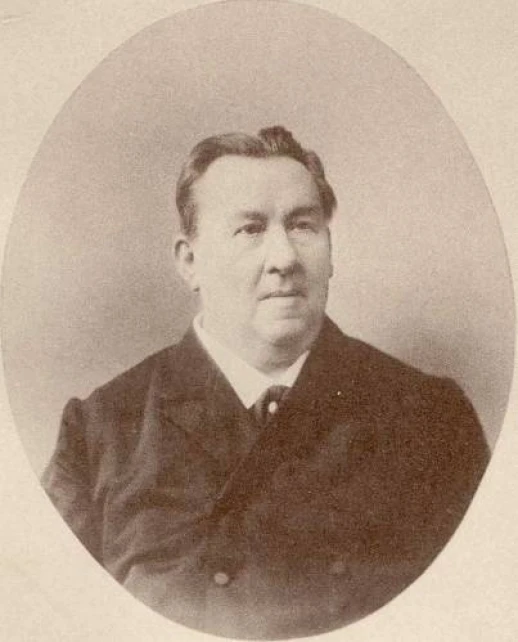
Publisher
Russia , 1827 - 1896
Kushnerev Ivan Nikolayevich (24.11.1827-10.02.1896)– Russian writer and publisher, the son of a poor noble landowner. The Partnership I. N. Kushnerev and Co. publishing house, founded in Moscow in 1871, was one of the largest and best-known publishing houses of pre-revolutionary Russia. The house published a wide range of fiction and specialised literature, including medical works of Nikolay Pirogov and Ivan Pavlov.
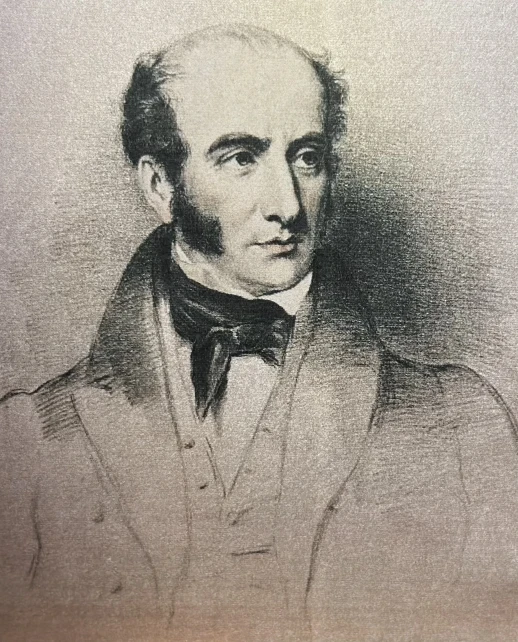
Craftsman
France , 1803 - 1876
Joseph-Frédéric-Benoît Charrière. Famous medical instruments manufacturer and inventor, Charrière was born 19th of March 1803, in Cerniat, canton of Fribourg, Switzerland. Charrière would emerge as a pivotal figure in the realm of surgical instrumentation of the early 19th century, leaving a legacy that transcends time and continues to influence modern medicine. He is known as an inventor of "French gauge", manufacturer numerous innovative instruments. A number of distinguished European instrument makers were his apprentices.
Joseph-Frédéric-Benoît Charrière. Famous medical instruments manufacturer and inventor, Charrière was born 19th of March 1803, in Cerniat, canton of Fribourg, Switzerland. Charrière would emerge as a pivotal figure in the realm of surgical instrumentation of the early 19th century, leaving a legacy that transcends time and continues to influence modern medicine. He is known as an inventor of "French gauge", manufacturer numerous innovative instruments. A number of distinguished European instrument makers were his apprentices.
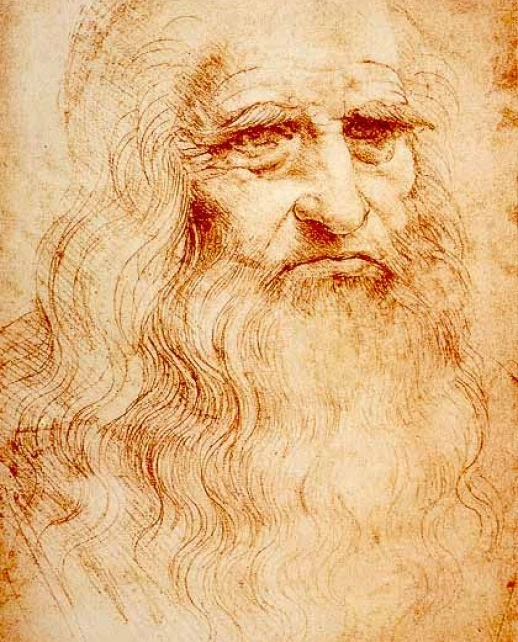
Artist
Italy , 1452 - 1519
Leonardo da Vinci was, besides of everything else, outstanding anatomist. However, his wonderful works did not influence contemporary science.