
Search results6 results
LIBRARY
Germany, 19 C. 2 half
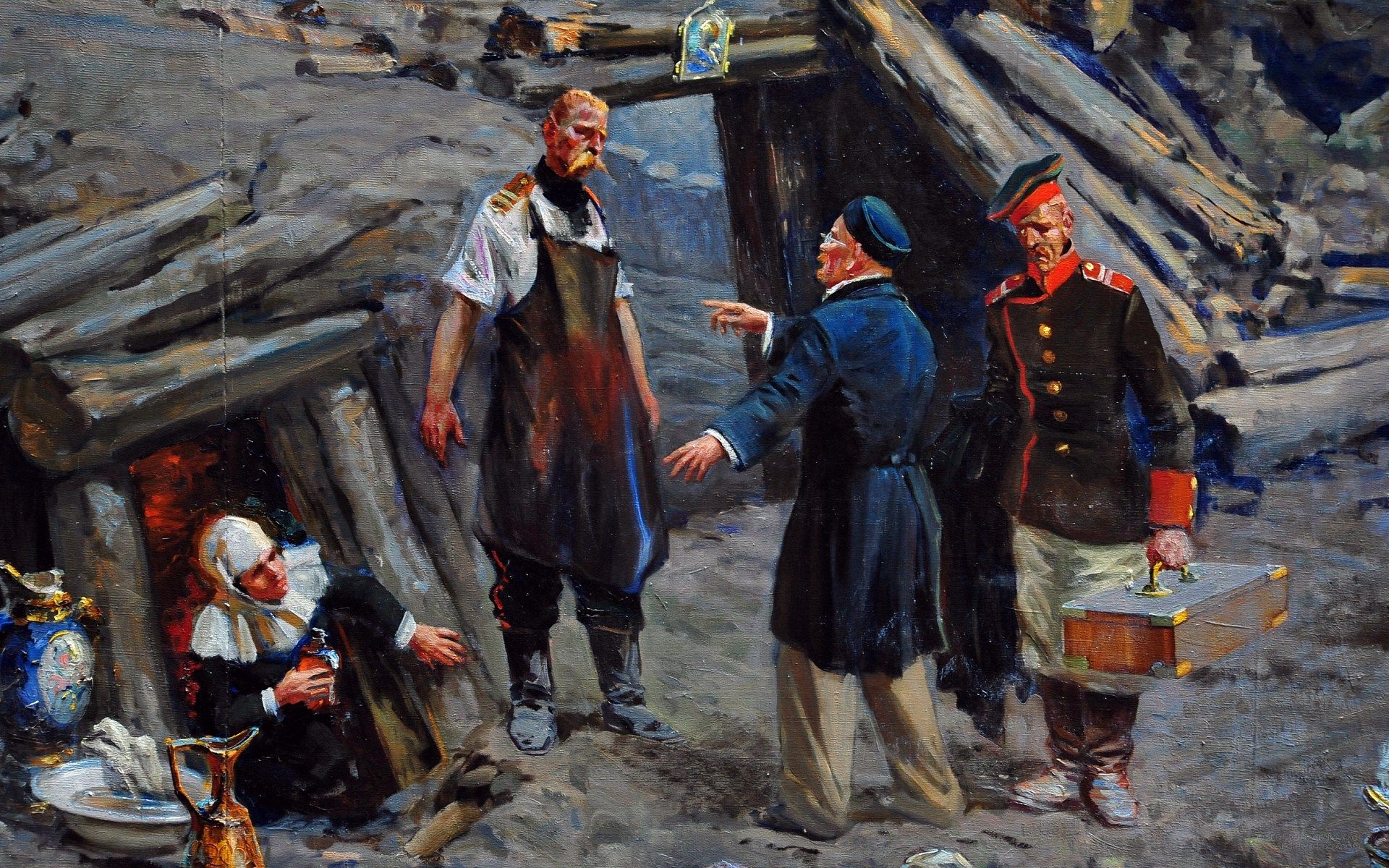
Pirogov, Nikolay Ivanovich
PIROGOV, Nikolay Ivanovich (1810-1881). Grundzuge der allgemeinen Kriegschirurgie nach Reminiscenzen aus den Kriegen in der Krim und im Kaukasus und aus der Hospitalpraxis (Principles of general war surgery after reminiscences from the wars in the Crimea and the Caucasus and from hospital practice), Leipzig: F.C.W. Vogel, 1864. In German language. The world's first edition
Germany, 19 C. 2 half
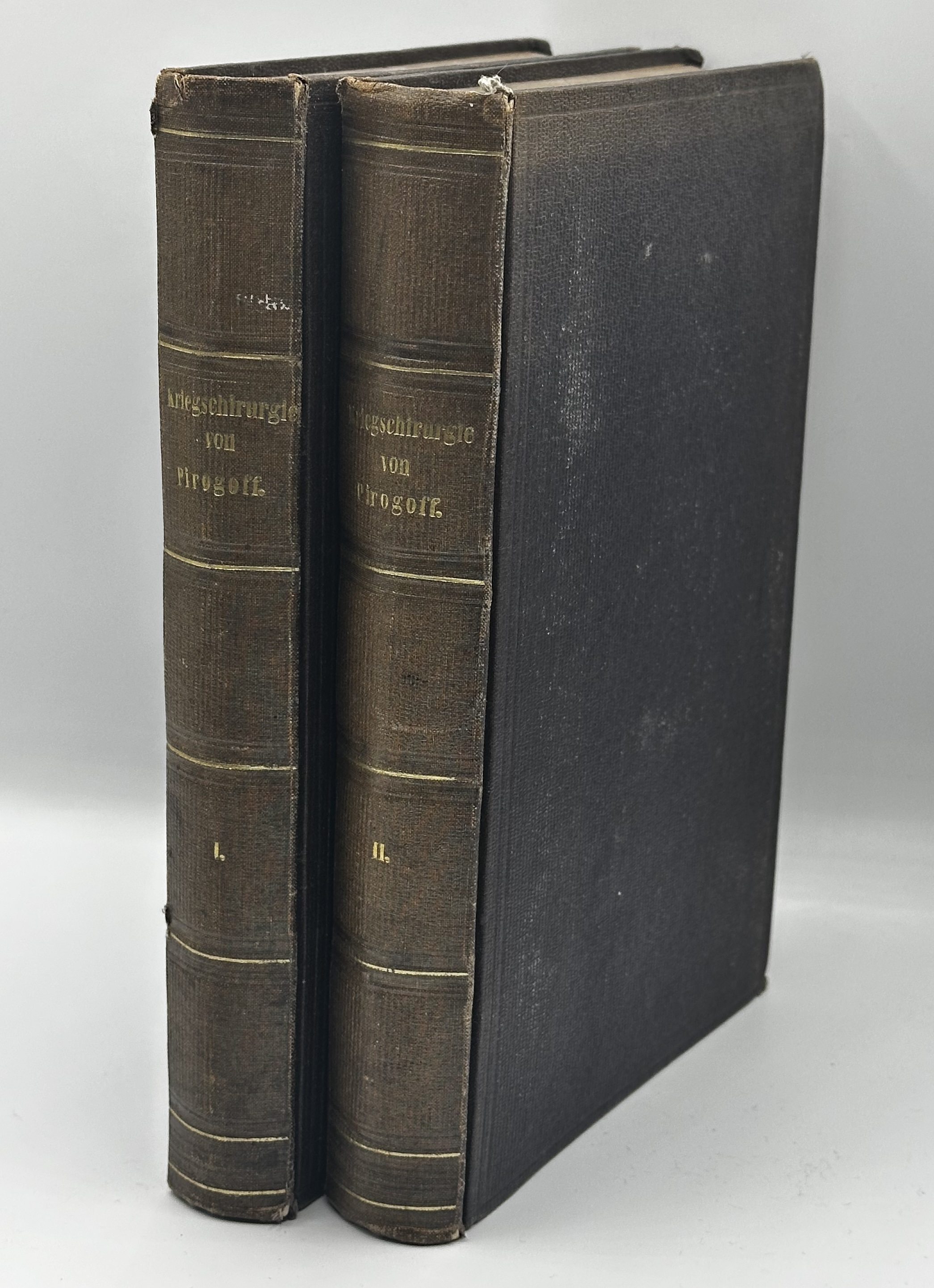
Pirogov, Nikolay Ivanovich
PIROGOV, Nikolay Ivanovich (1810-1881). Grundzuge der allgemeinen Kriegschirurgie nach Reminiscenzen aus den Kriegen in der Krim und im Kaukasus und aus der Hospitalpraxis, Leipzig, F. C. W. Vogel, 1864. In 2 Volumes (1: iv, 1-528 pp. and 2: 529-1168 pp., 1 nn Errata page). 'Principles of general war surgery after reminiscences from the wars in the Crimea and the Caucasus and from hospital practice' in German language. The world's first edition.
PEOPLE
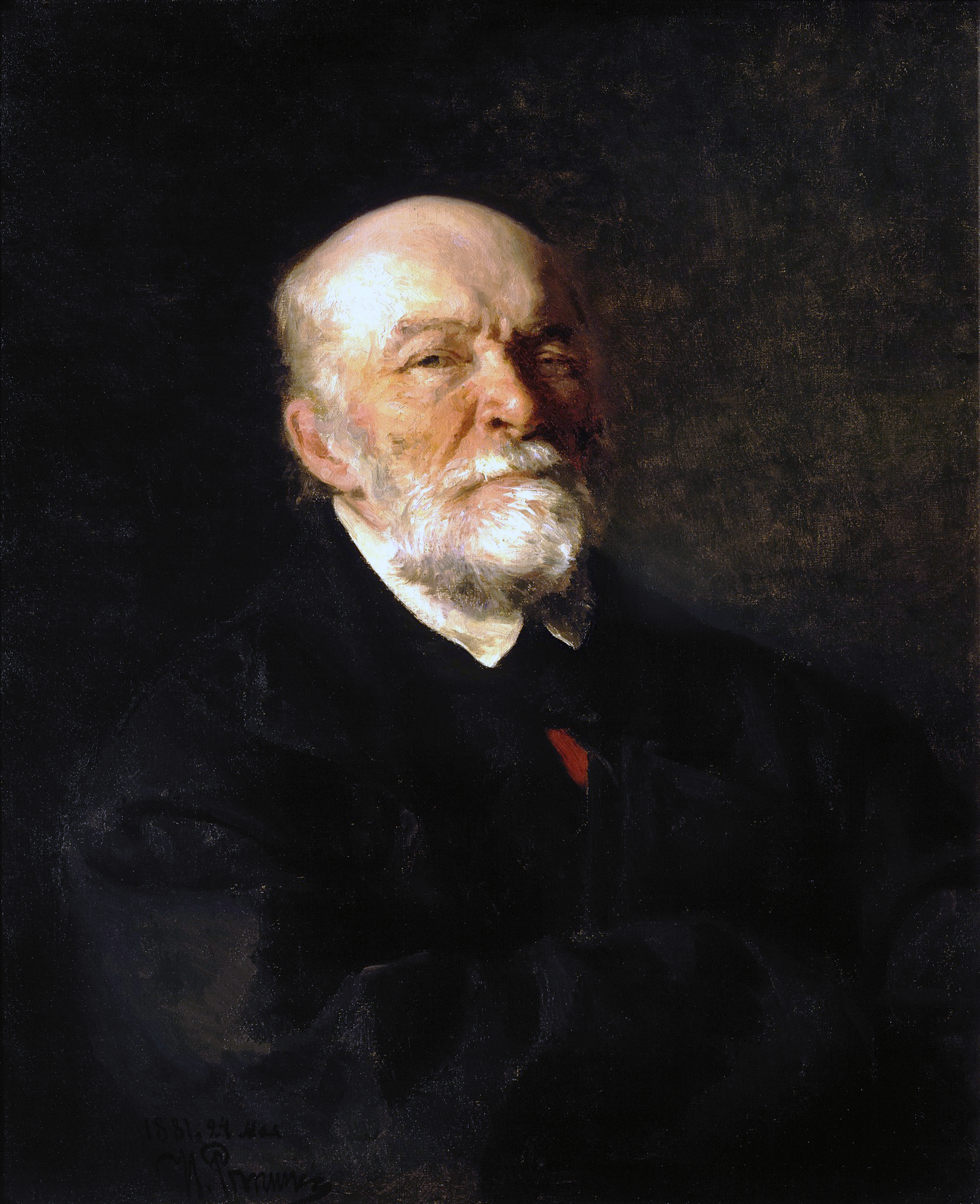
Nikolay Ivanovich Pirogov (Russian: Николай Иванович Пирогов; 25.11.1810 – 5.12.1881) was a renowned Russian surgeon, "The father of Russian field surgery" and "The father of Russian topography anatomy", scientist, professor of surgery, publicist and author. Pirogov promoted surgical anaesthesia in Russian Empire, was the first who describe some negative effects and possible complications of general anaesthesia. He was one of the first in the world introducing ether anaesthesia on the battlefield.
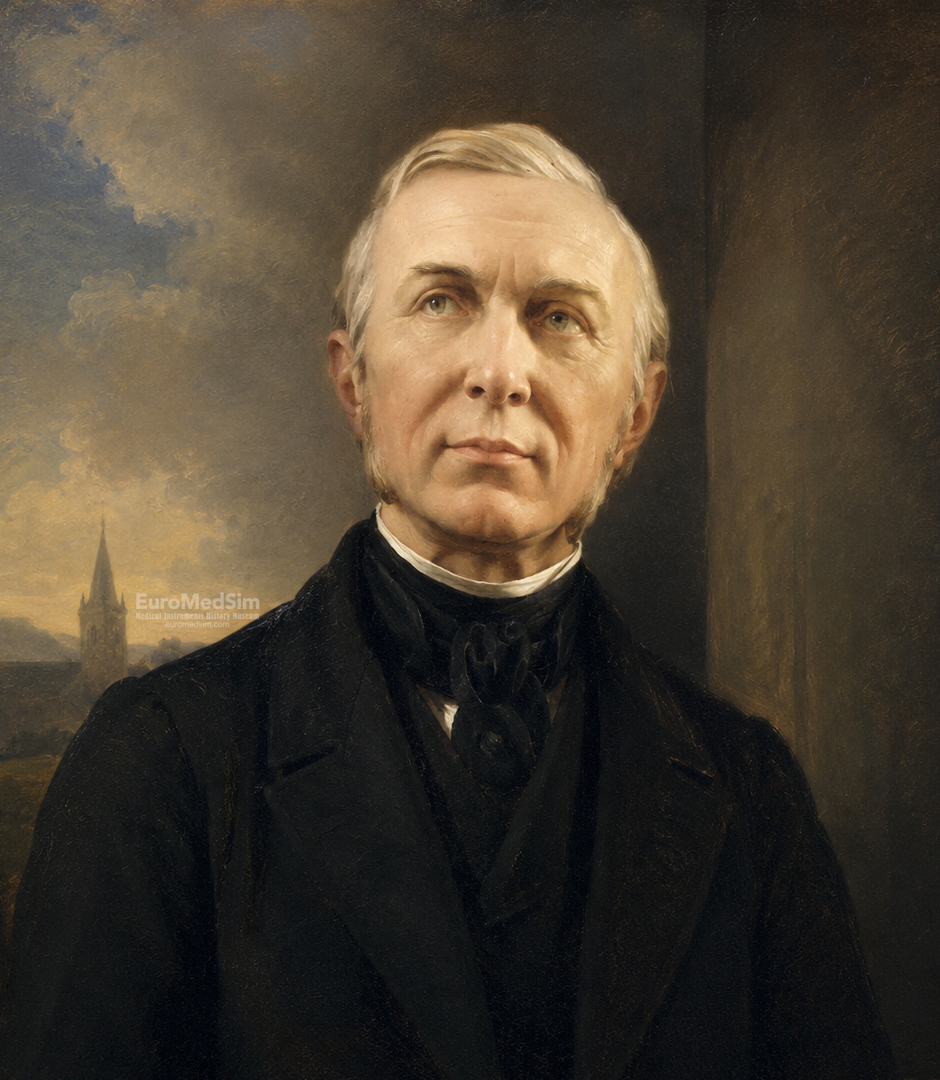
Theodor Fliedner (1800–1864) was a German Protestant pastor and social reformer. In 1836, together with his wife Friederike, he founded the Kaiserswerth Deaconess Institute, combining nursing education, hospital practice, and religious service. Its model helped professionalise nursing, spread internationally, and influenced Florence Nightingale.
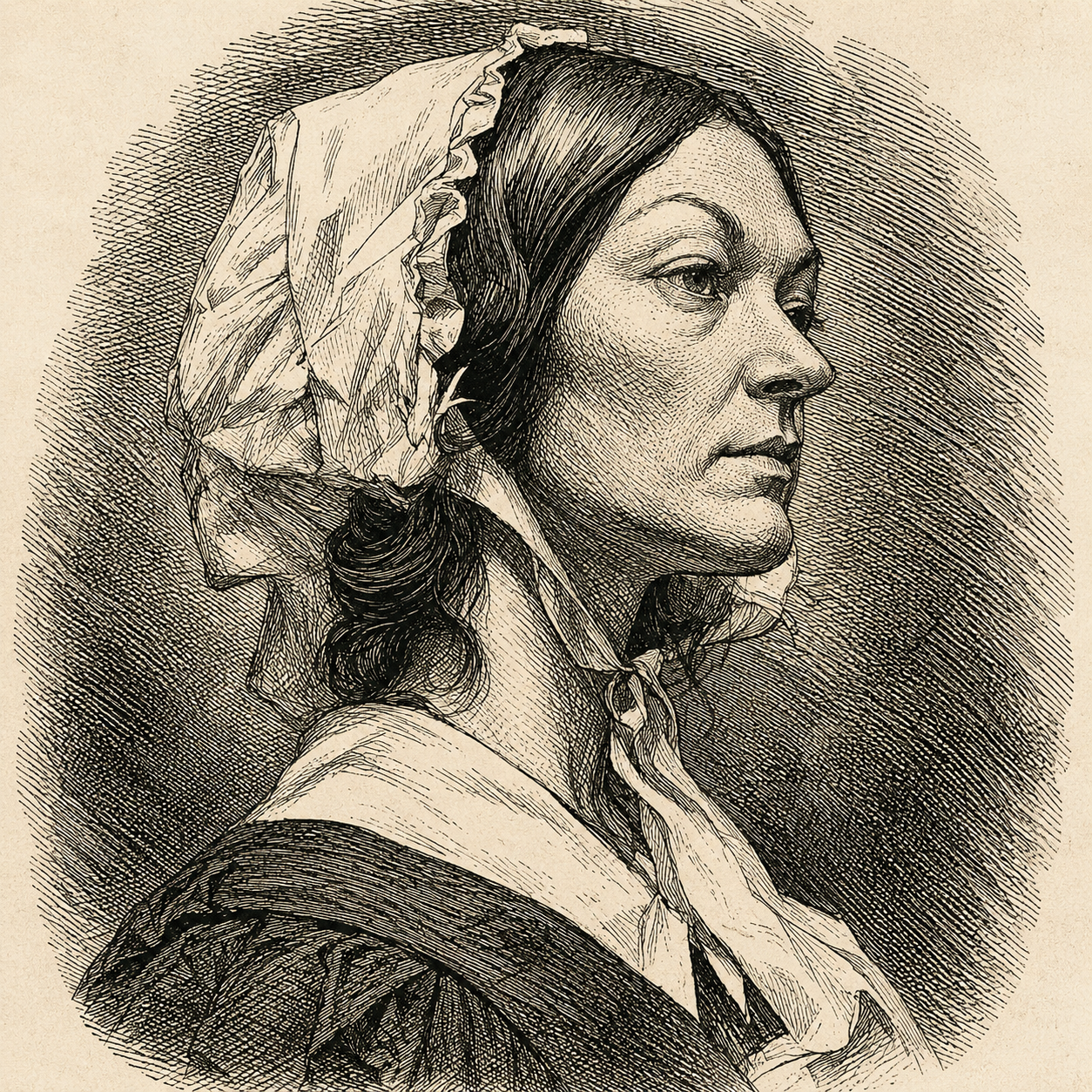
Florence Nightingale (1820–1910) founded modern nursing in Great Britain, transforming it from a disreputable occupation into a respected profession. Despite fierce family opposition, Nightingale persisted, eventually training at the Nursing School of Protestant Deaconesses in Kaiserswerth, Germany, in 1851. During the Crimean War, she led 38 nurses to Scutari, where she implemented sanitation measures that drastically reduced the mortality rate from 42% to 2%. Known as "The Lady with the Lamp," she also pioneered medical statistics, creating polar area diagrams to visualise preventable deaths. In 1860, she established the first secular nursing school at St Thomas' Hospital, London. Her legacy endures through International Nurses Day, celebrated on her birthday, and her foundational text Notes on Nursing.
FIRM

USA, New York
The company Edward Weck Inc. traces its roots to it founder, Edward Weck, a German immigrant from Solingen – a city famed for blade-making. According to the statement on its first catalogues the firm was ‘established 1890' and in 1909 has received its first patents on the interchangeable razor blades. The company gradually moved into surgical field and played a significant role in the advancement of surgical instrumentation, particularly in the fields of microsurgery and vascular surgery. It was known for producing high-quality surgical tools, including vascular clamps and microsurgical instruments, which became standard in operating rooms worldwide. Its innovations contributed to more precise, less invasive surgical procedures, improving patient outcomes. Today, the legacy of Edward Weck endures through integration into larger medical device company, Teleflex, continuing to influence modern surgical practice.