
Search results3 results
LIBRARY
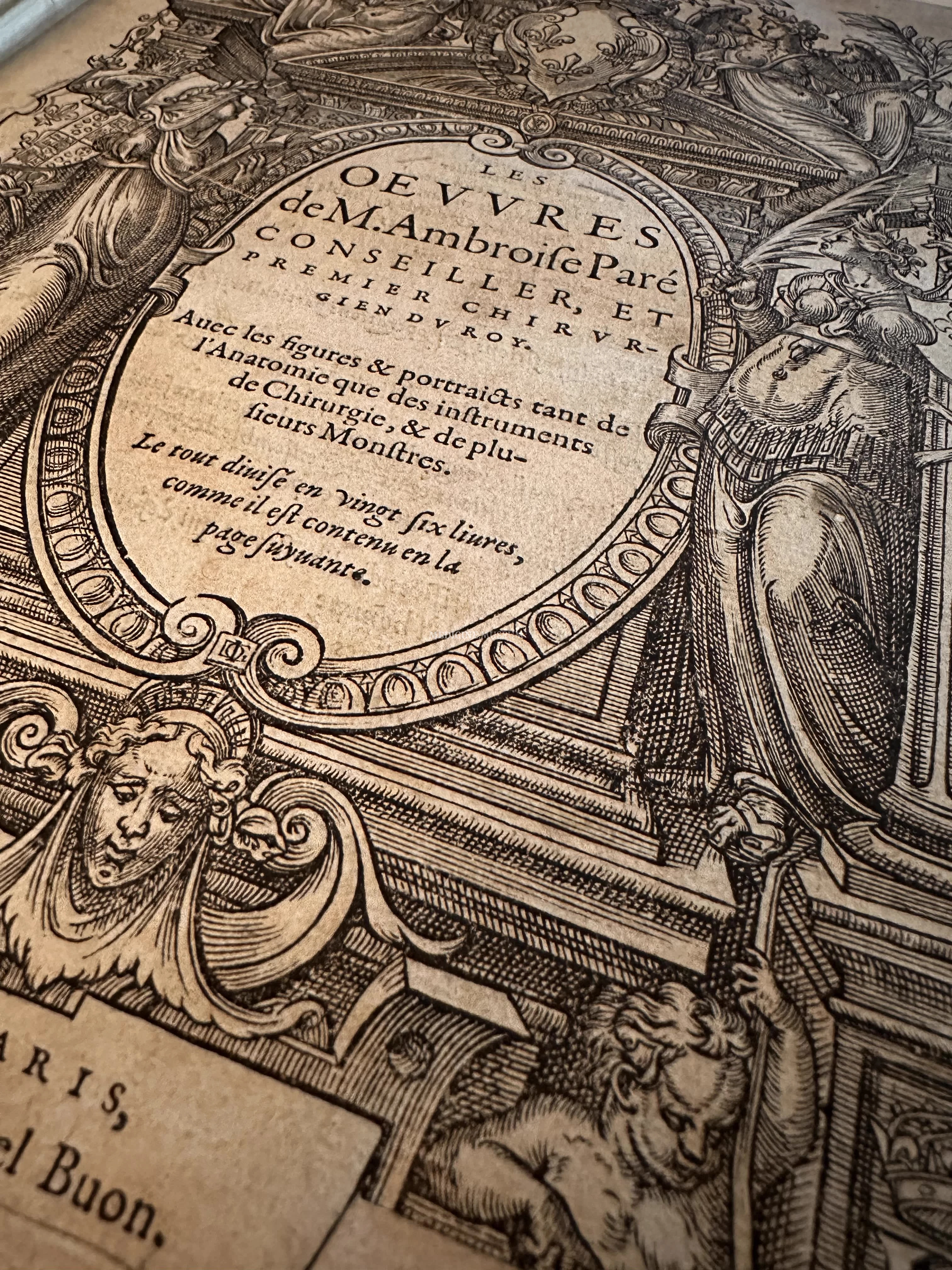
France, 1575
Paré, Ambroise
Paré, Ambroise, 1510?-1590. Les Œuvres de M. Ambroise Paré, conseiller et premier chirurgien du Roy. Avec les figures & portraicts tant de l'anatomie que des instruments de chirurgie, & de plusieurs monstres. Le tout divise en vingt six livres (transl. from French: The works of Mr. Ambroise Paré, advisor and first surgeon to the King. With figures & portraits of both anatomy and surgical instruments, & several monsters. The whole is divided into twenty-six books). Paris, Gabriel Buon, 1575, the first edition. This unique book is the cornerstone that laid the foundation for modern surgery in France and the rest of Europe, the most important surgical book of the 16th century.
PEOPLE
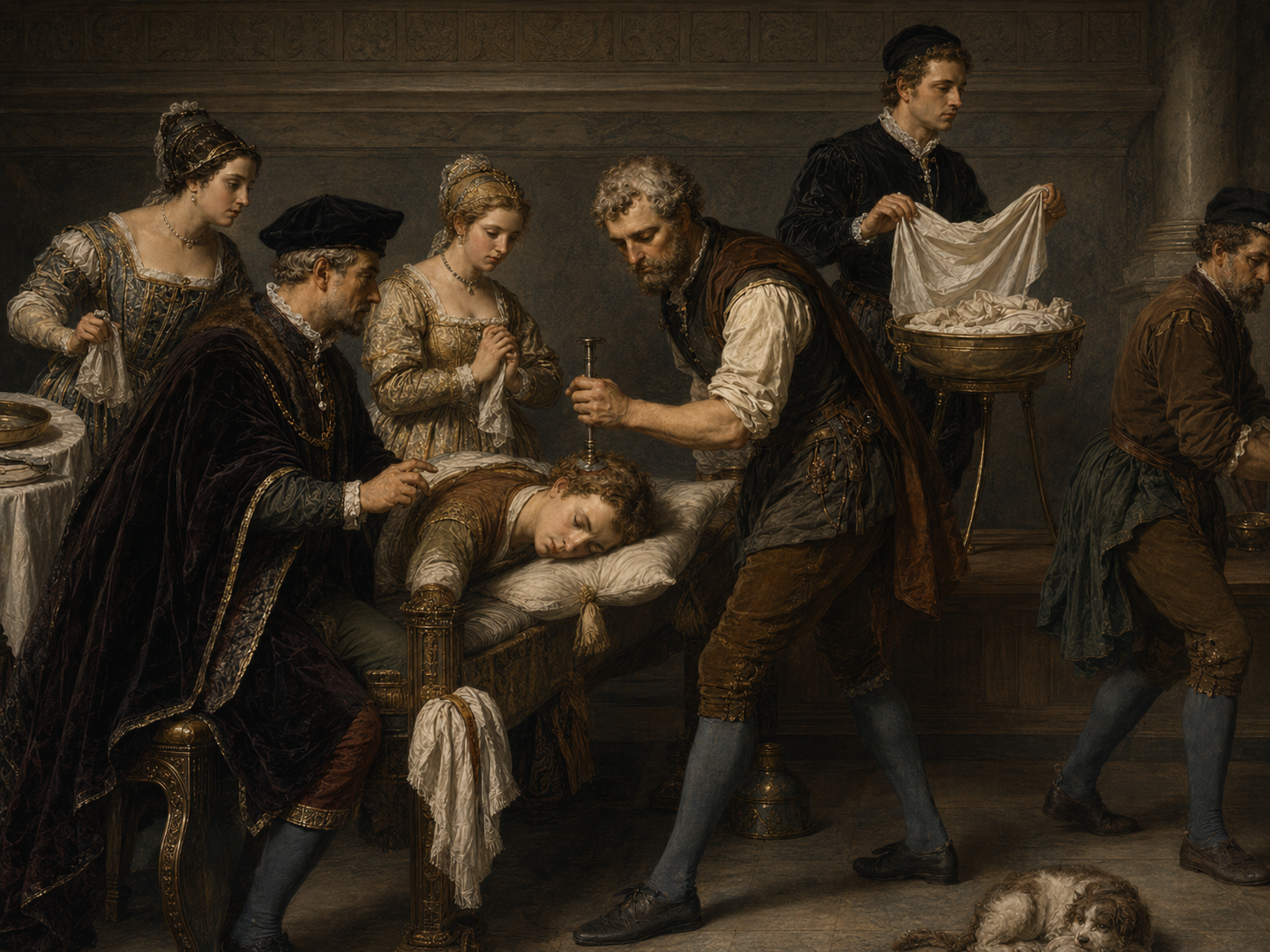
Giovanni Andrea Della Croce (1515–1575), Italian Renaissance surgeon, neurosurgeon and traumatologist. Venetian surgeon published his landmark seven-volume surgical compendium in Latin (1573) and Italian (1574), bringing cutting-edge knowledge to physicians and barber-surgeons alike. Grounded in battlefield experience and rich in illustration, his work transformed surgery from a craft into a teachable science — earning him comparison with France's Ambroise Paré.
Articles
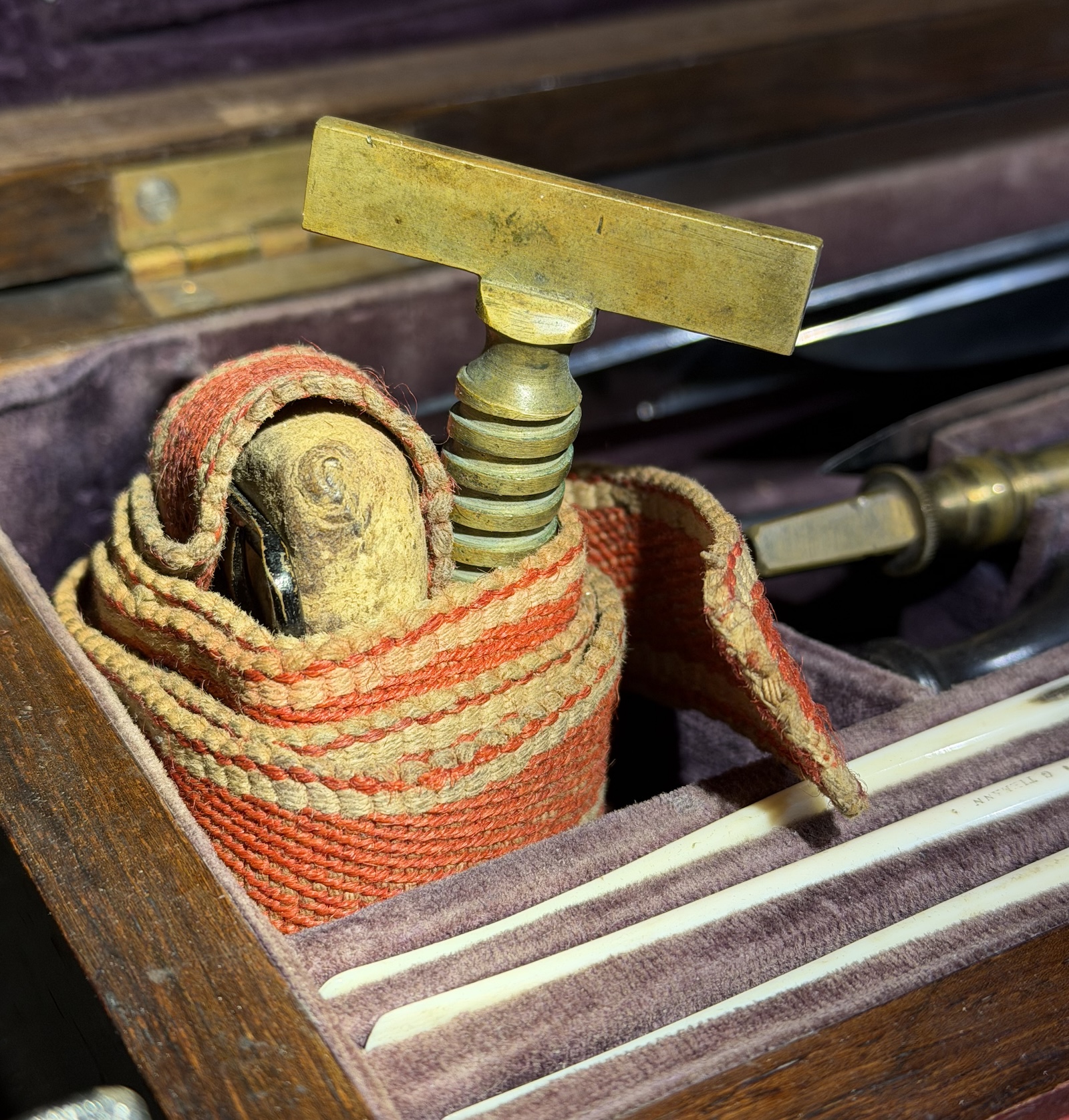
The tourniquet is considered by many to be one of the most significant inventions in the history of surgery, having saved millions of soldiers and trauma victims. The earliest documented methods of blood control emerged in ancient India, as evidenced by Sushruta's ligatures, and referenced by Roman medici for vessel tying and cauterisation, in addition to external limb binding. Medieval and Renaissance barber-surgeons utilised tight bands, and in the 18th century, Jean-Louis Petit developed the screw tourniquet. The evolution of emergency care has been characterised by significant developments, with innovations ranging from Esmarch's elastic bandage to modern C-A-T devices.