
People6 results
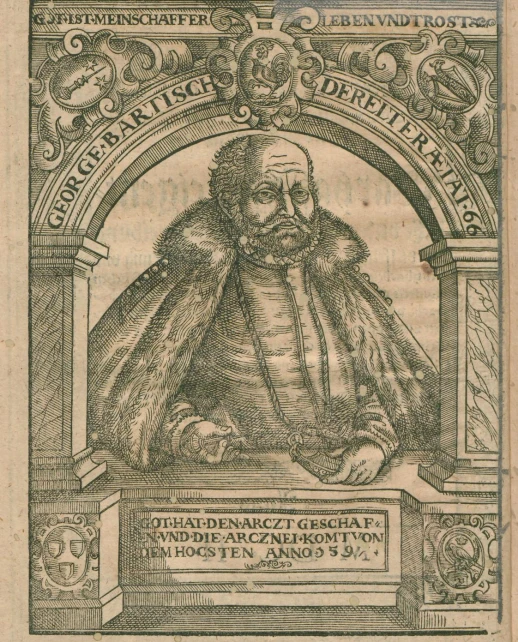
Barber-Surgeon
Germany , 1535 - 1607
Georg Bartisch (1535–ca.1607), famous German barber-surgeon, founder of modern ophthalmology. Oculist, barber-surgeon, urologist, author of Ophthalmodouleia
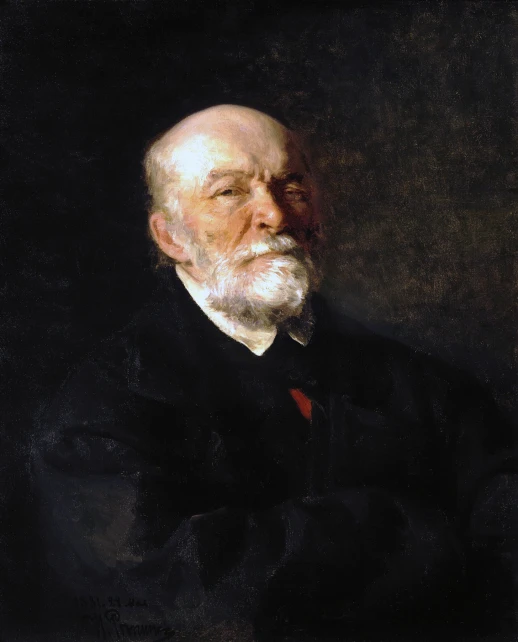
Surgeon
Germany , 1810 - 1881
Nikolay Ivanovich Pirogov (Russian: Николай Иванович Пирогов; 25.11.1810 – 5.12.1881) was a renowned Russian surgeon, "The father of Russian field surgery" and "The father of Russian topography anatomy", scientist, professor of surgery, publicist and author. Pirogov promoted surgical anaesthesia in Russian Empire, was the first who describe some negative effects and possible complications of general anaesthesia. He was one of the first in the world introducing ether anaesthesia on the battlefield.
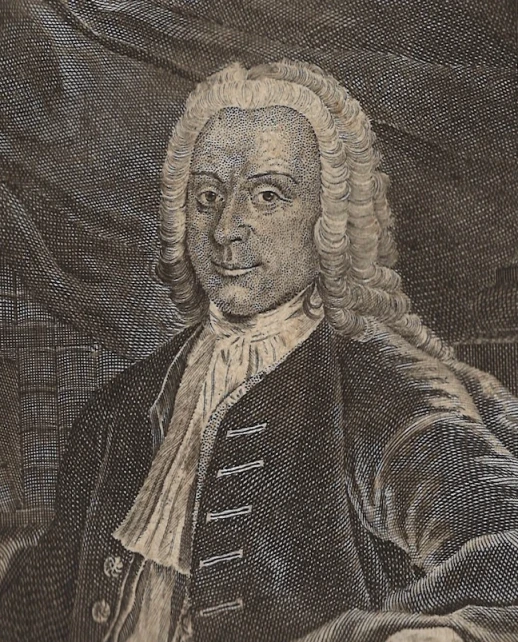
Surgeon
Germany , 1683 - 1758
Lorenz Heister, an 18th-century prominent German surgeon, Professor of Anatomy and Surgery at the University of Altdorf, Germany. He authored influential books translated into multiple languages, leaving a lasting impact on medical education, including famous "Chirurgie, in welcher alles was zur Wund Artzney gehöret, nach der neuesten und besten Art, gründlich abgehandelt wird." translated in all main European languages.
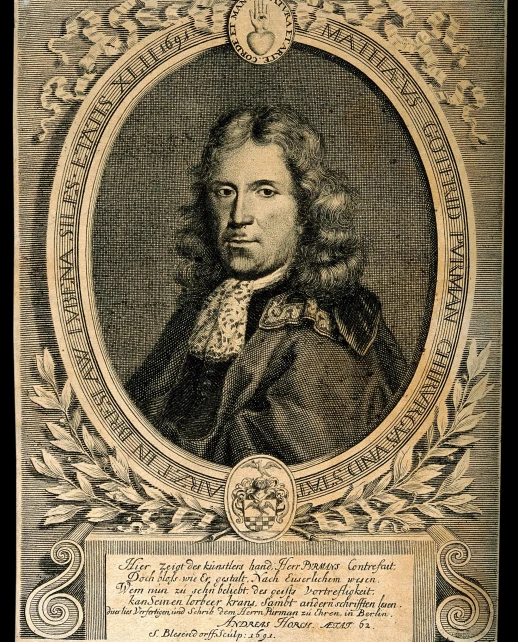
Surgeon
Germany , 1683 - 1758
Matthaeus Gottfried Purmann or Matthäus Gottfried Purrmann (1648–1711), Silesian surgeon and city doctor (Stadt-Physicus) of Breslau. He is known for his detailed study of moxibustion, in 1668, he performed the first in Germany blood transfusion from a lamb to a human (xenotransfusion), and was very active author of German-language surgical manuals.
Surgeon
Germany , 1766 - 1842
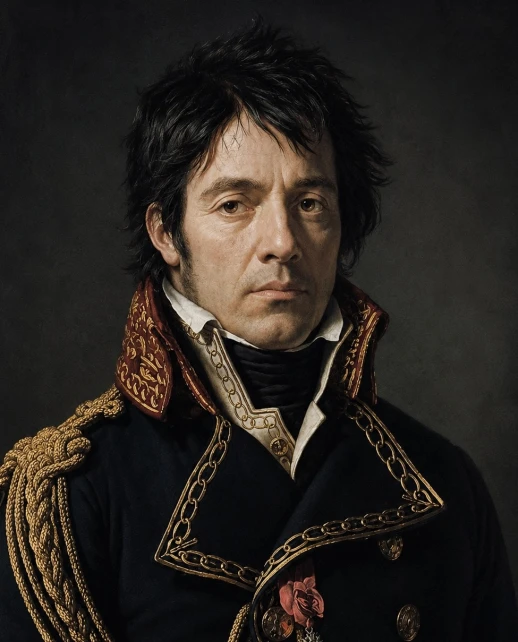
Dominique-Jean Larrey (8 July 1766 — 25 July 1842), the legendary chief surgeon of Napoleon’s Grand Armée. His contemporaries remembered him as a brilliant surgeon, a talented physician, and a fearless man with a kind heart, for whom the fates of his patients were more important than his own life! He was inventor of the “flying medical carriages” (ambulances volantes) and wound triage system—treating the wounded victims based on the severity of their injuries and probability of medical outcome, rather than on military rank or nationality. Napoleon himself called Larrey “the most virtuous man I have ever known” a. Today, he is honored as the father of emergency medical care and modern military medicine—a man whose legacy continues to save lives on battlefields and in ambulances.
Pastor
Germany , 1800 - 1864
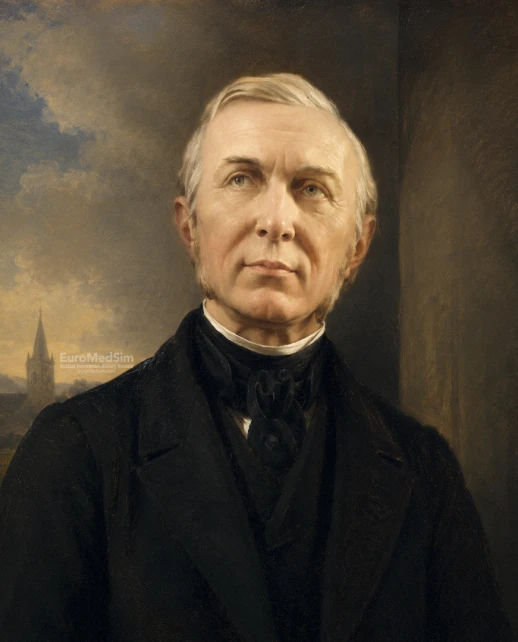
Theodor Fliedner (1800–1864) was a German Protestant pastor and social reformer. In 1836, together with his wife Friederike, he founded the Kaiserswerth Deaconess Institute, combining nursing education, hospital practice, and religious service. Its model helped professionalise nursing, spread internationally, and influenced Florence Nightingale.