
Search results3 results
LIBRARY
England, 20 C. 1 half
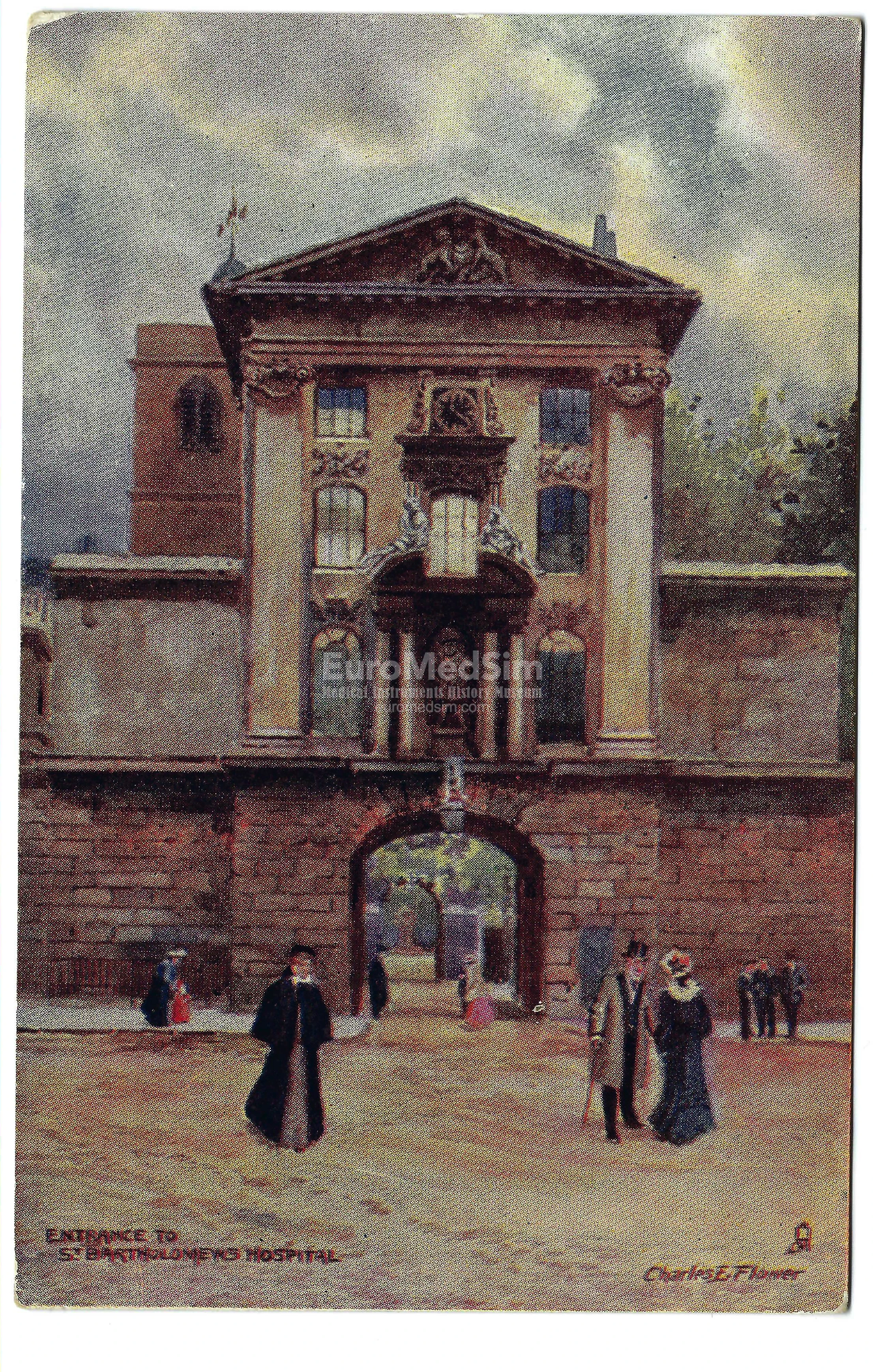
This postcard, depicting the Henry VIII Gatehouse of St Bartholomew's Hospital, was published by Raphael Tuck & Sons as part of their "Aquarette" series (No. 0257) and features artwork by Charles E. Flower. Posted on 9 December 1905, the postmark firmly establishes its use and a terminus ante quem. The publisher's imprint, "Art Publishers to Their Majesties the King & Queen," places the publication after Queen Victoria's death in January 1901, with a likely date of circa 1903–1905. The gateway itself, rebuilt in 1702 by mason John Strong, stands as a historic entrance to Britain's oldest hospital site, founded in 1123. The card captures both an Edwardian street scene and an everyday moment of correspondence from that era.
MUSEUM
Italy, Padua
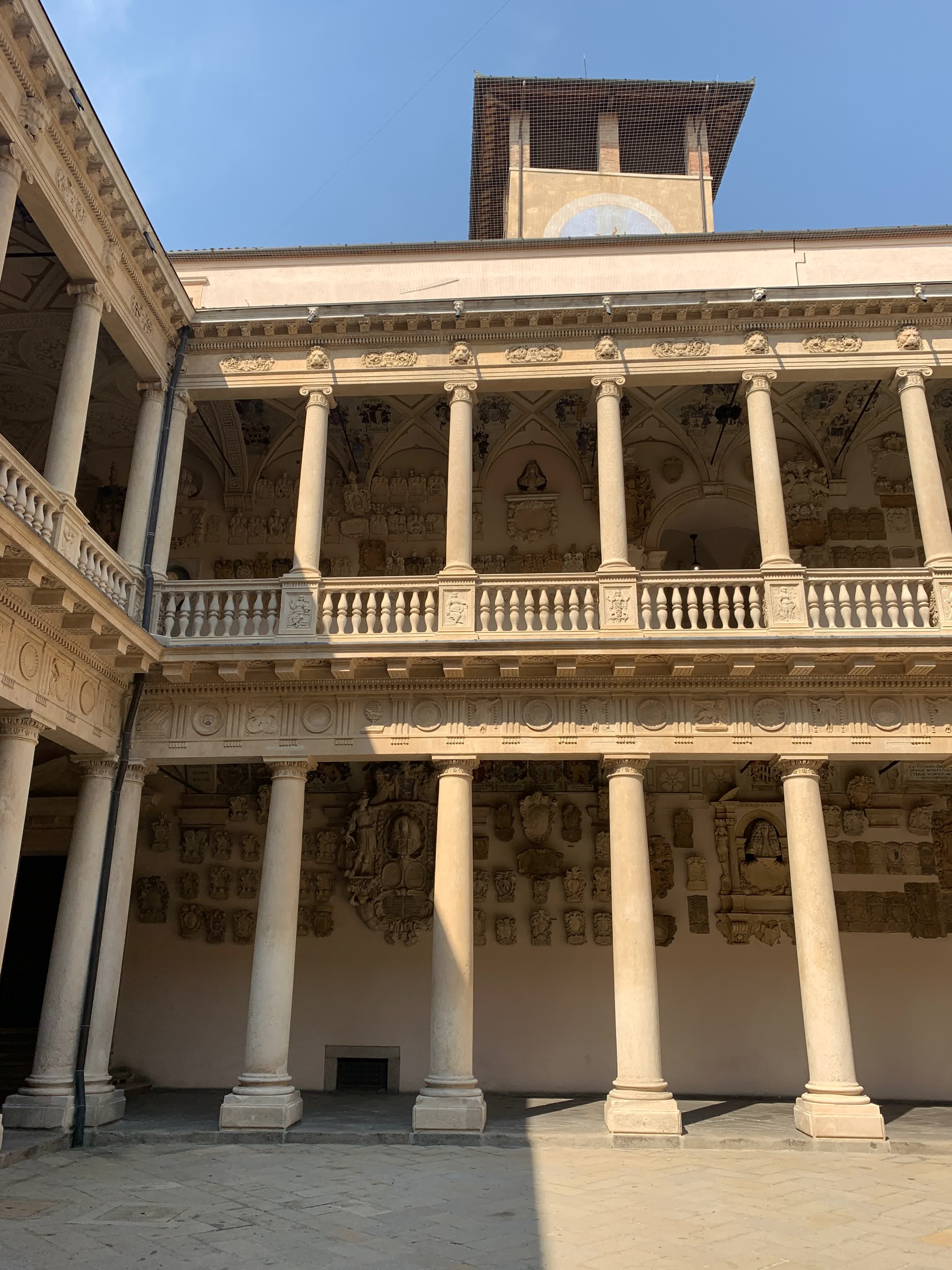
Bo Palace (Palazzo del Bo) is the central piece of the Paduan University. Established in 1222, the University of Padua is one of the oldest and most prestigious universities in the world. Its Medical Faculty has been a leading institution for medical studies for centuries. Perhaps the most famous alumnus of the Medical Faculty is Andreas Vesalius, who is often referred to as the father of modern human anatomy. He studied and later taught at Padua, and his seminal work, "De humani corporis fabrica" (On the Fabric of the Human Body, 1543) was a groundbreaking text in anatomy. The Anatomical Theatre of Padua, built in 1594 during tenure of Girolamo Fabrici d’Acquapendente, is the oldest surviving anatomy theatre in the world. It was here that many important dissections and lectures took place, attracting students from across Europe is the place for 16th-century Anatomy Theatre. Another famous alumni of the University was William Harvey, who discovered blood circulation.
Articles
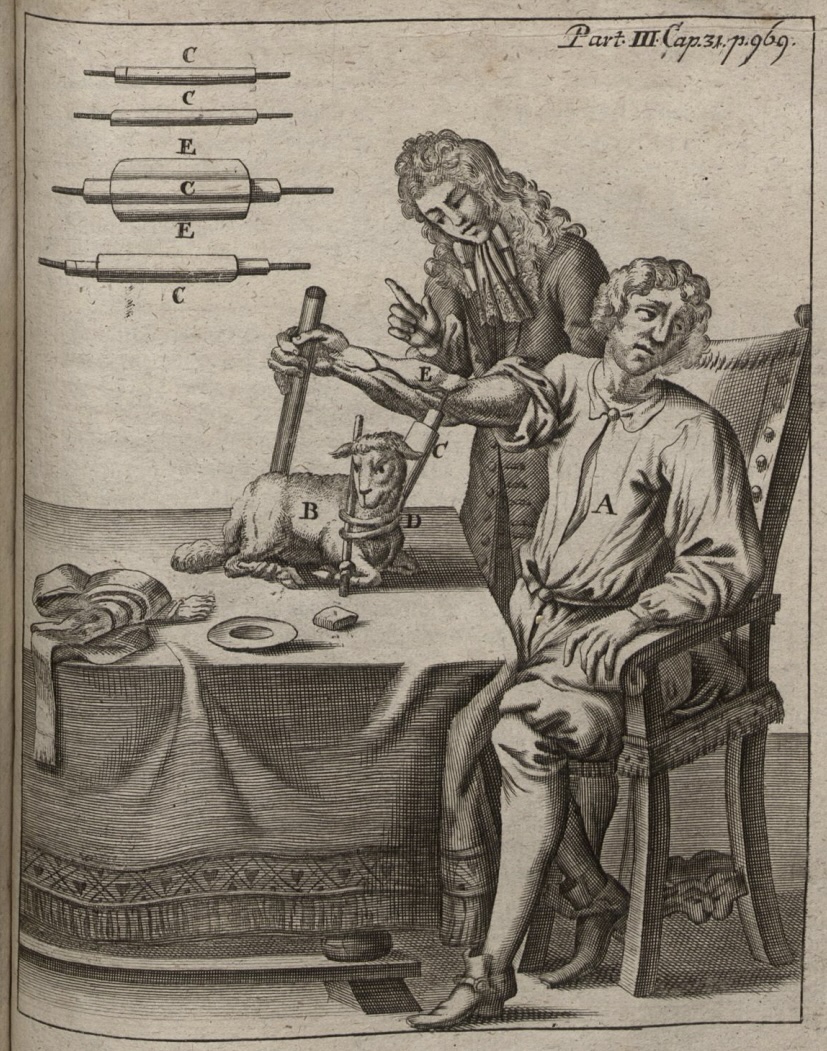
Despite extensive research into the history of blood transfusion, the earliest steps in the field of haemotransfusion are sometimes interpreted differently and historical priorities are assessed differently. This article summarizes the main milestones and the most influenced inventors (William Harvey, Richard Lower, Jean-Baptiste Denis, Guglielmo Riva, Matthaeus Purmann, James Blundell, Karl Landsteiner) of the so-called Chirurgia Infusoria and provides references to primary sources.