
Search results4 results
COLLECTION
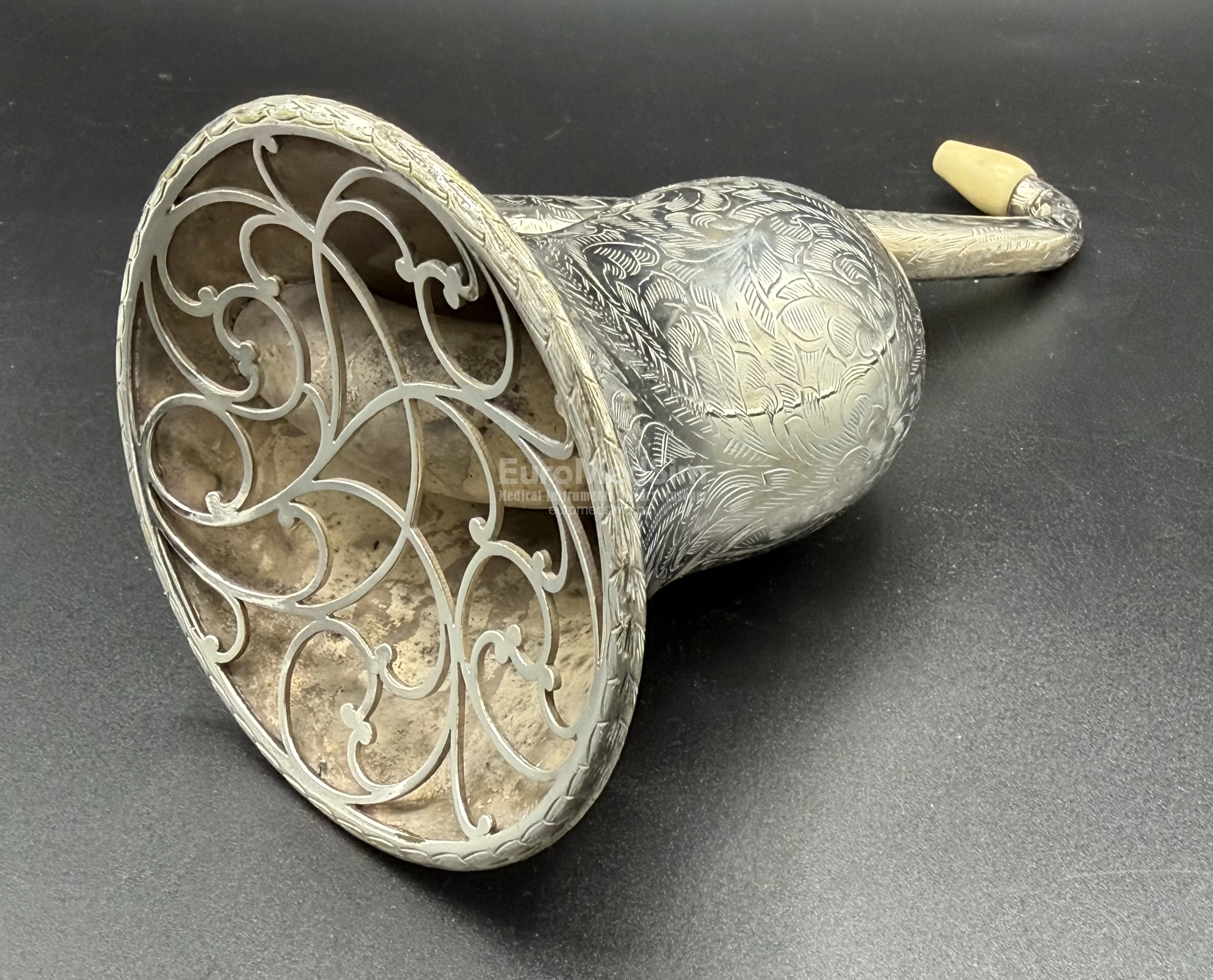
England, 1865
An elaborately-engraved silver-plated F.C.Rein & Son London Dome Hearing Aid. English, ca. 1865, engraved: 'F. C. Rein & Son Patentees, sole inventors, & only makers, 108 Strand, London.', ca. 20 cm, with ivory earpiece.
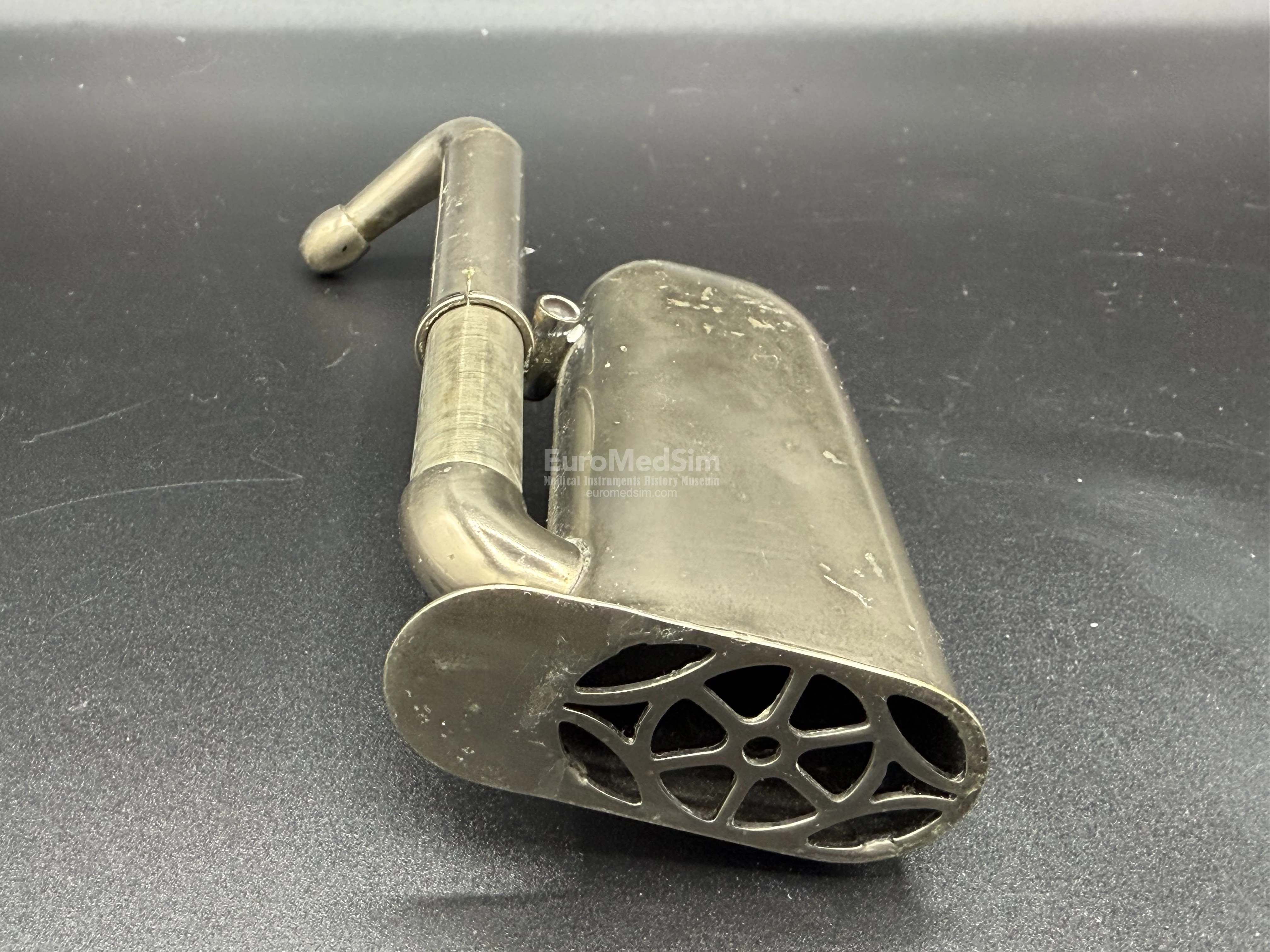
England, 1880
A nickel-plated brass Hawksley-Type сompact ear trumpet hearing aid, with telescopic earpiece-tube and decorative grille. Length 13,5cm. England, c.1880.
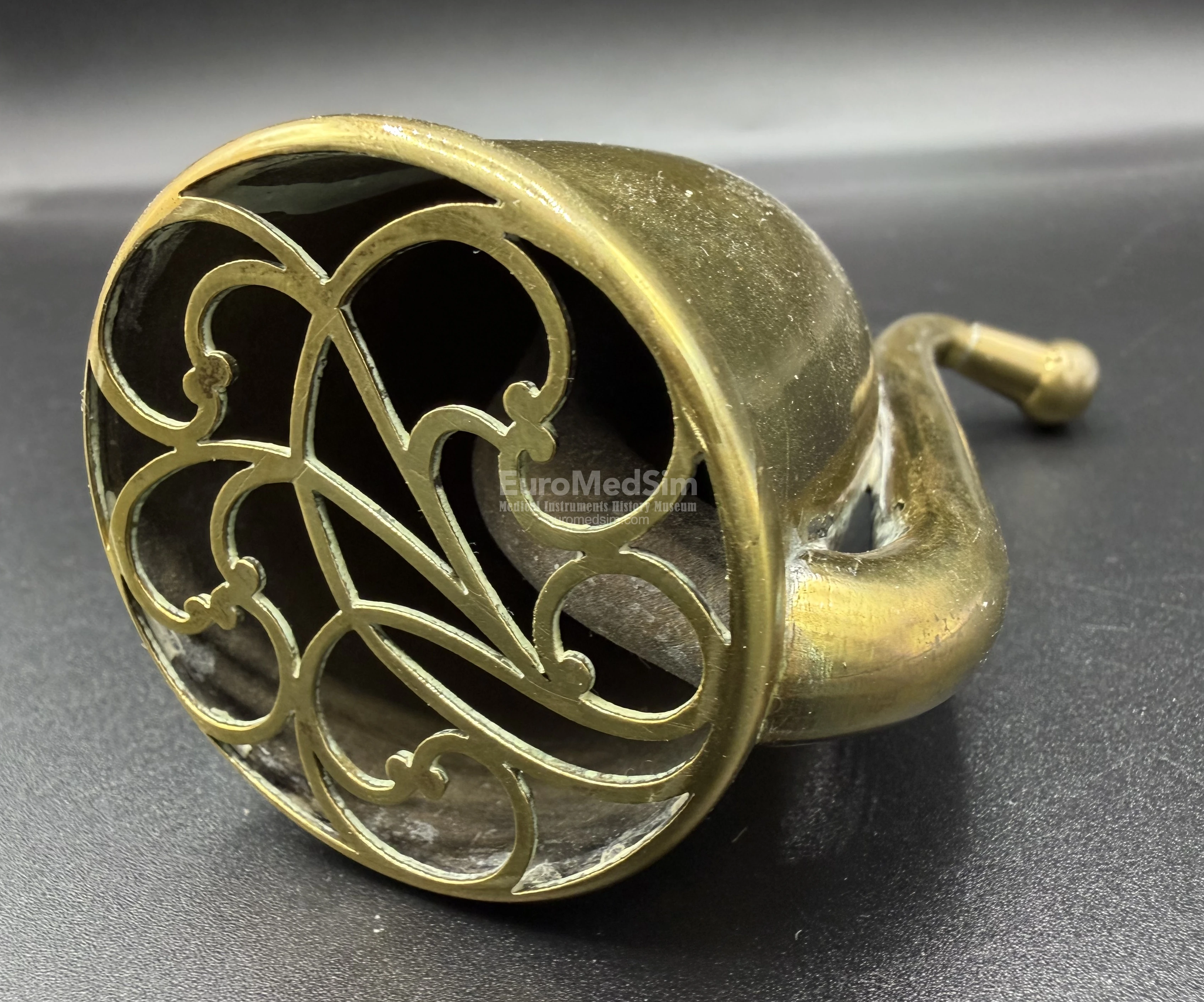
England, 1880
Hearing tube with a parabolic bell, brass. Bell-shaped sound collector (London Dome type) with a U-shaped hearing tube that originates from the bottom of the bell and exits from the side, curving back upward in a U-shape (“swan-shaped”). Decorative floral grill. No manufacturer’s markings. England, ca. 1880.
Articles
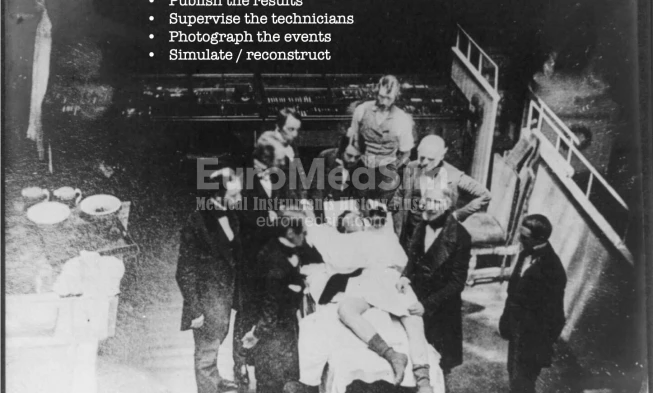
Priority disputes, failures, and simulation—Happy Broadcast Day!
October 16, 2026, marks the 180th anniversary of the famous public demonstration of aether anaesthesia in Boston. This date is celebrated today as "Ether Day" or "Anaesthesiology Day". There are many interesting facts associated with this invention. In the 19th century, people attended so-called “aether parties”—gatherings where participants inhaled ether for entertainment and watched each other’s antics. Dr. Crawford Long noticed that people sometimes injured themselves without feeling pain, and (according to him) became the first person in the world to use ether during the removal of a neck tumor on March 30, 1842—four years before Morton’s demonstration. However, he did not publish his findings until 1849. Hmm… what a shame! On the day of the first demonstration, William Morton was late—his glassblower had not finished making the vaporizer in time. The operation itself was not a success—by the time he was discharged, the growth had not disappeared. Moreover, the anesthesia was incomplete: during the later stages of the operation, the patient moved and screamed, although he later reported that he felt no pain. Morton tried to profit from his invention and even gave ether the trade name “Letheon”; however, despite disputes over intellectual property, it brought him neither wealth nor recognition. Those involved in the events later realized their significance and even reenacted the events of that day to capture them in photographs. So remember—a historical photograph is merely a reenactment of a historical medical event.