
People7 results
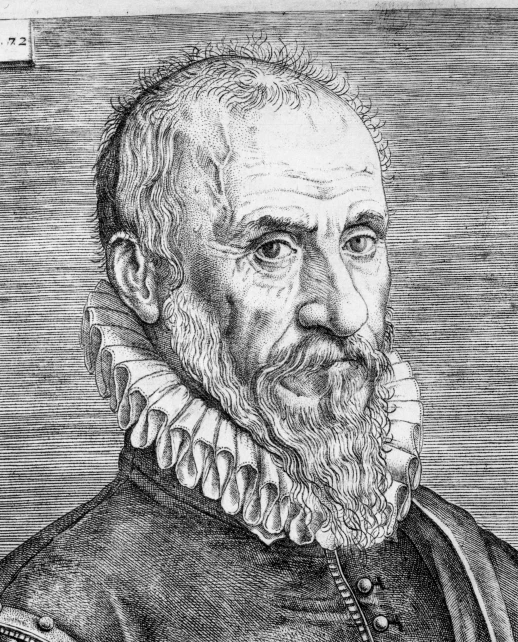
Barber-Surgeon
France , 1510 - 1590
Ambroise Paré (1510-1590), considered to be 'père de la chirurgie française' (father of French surgery), royal surgeon to four kings. Born in the French province, he revolutionised surgical practice despite having developed only a few entirely original methods. Paré's status as the ‘father of French surgery’ is not due to individual inventions, but primarily to the fact that, thanks to royal support, his voice could not be ignored. His revolutionary methodology for the time included empirical observation (instead of reading the classics), challenging dogma (rather than commenting on ancient authors), democratising knowledge (books in vernacular French rather than scholarly Latin) — thanks to his numerous widely circulated publications richly illustrated, his ideas and concepts found their target audience and drowned out the opinions of conservative opponents, while the status of surgeons was raised from that of modest craftsmen to the noble authority of university medicine.
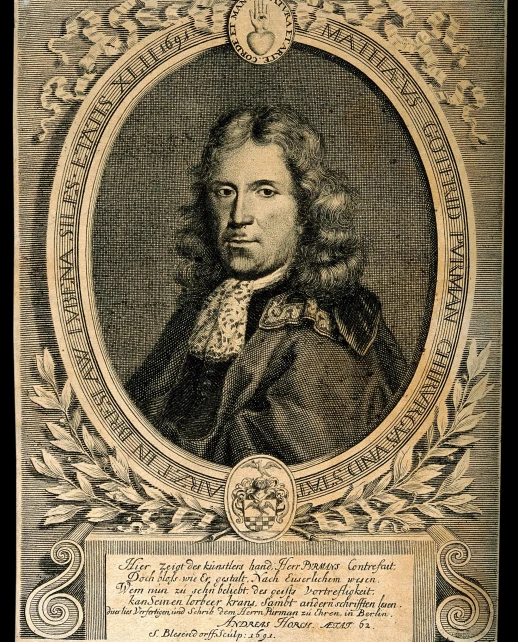
Surgeon
Germany , 1683 - 1758
Matthaeus Gottfried Purmann or Matthäus Gottfried Purrmann (1648–1711), Silesian surgeon and city doctor (Stadt-Physicus) of Breslau. He is known for his detailed study of moxibustion, in 1668, he performed the first in Germany blood transfusion from a lamb to a human (xenotransfusion), and was very active author of German-language surgical manuals.
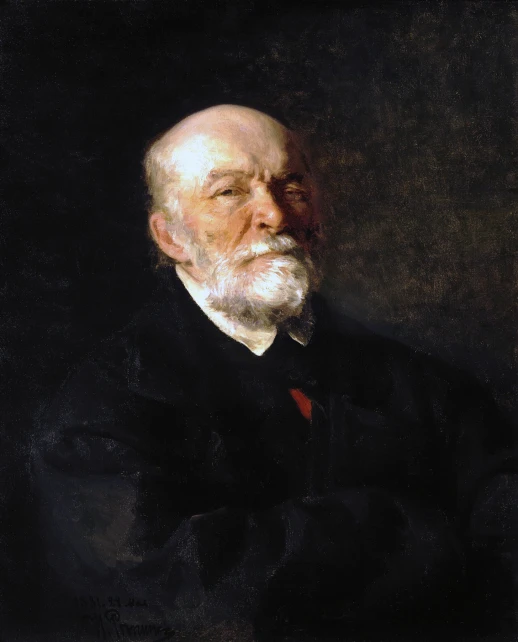
Surgeon
Germany , 1810 - 1881
Nikolay Ivanovich Pirogov (Russian: Николай Иванович Пирогов; 25.11.1810 – 5.12.1881) was a renowned Russian surgeon, "The father of Russian field surgery" and "The father of Russian topography anatomy", scientist, professor of surgery, publicist and author. Pirogov promoted surgical anaesthesia in Russian Empire, was the first who describe some negative effects and possible complications of general anaesthesia. He was one of the first in the world introducing ether anaesthesia on the battlefield.
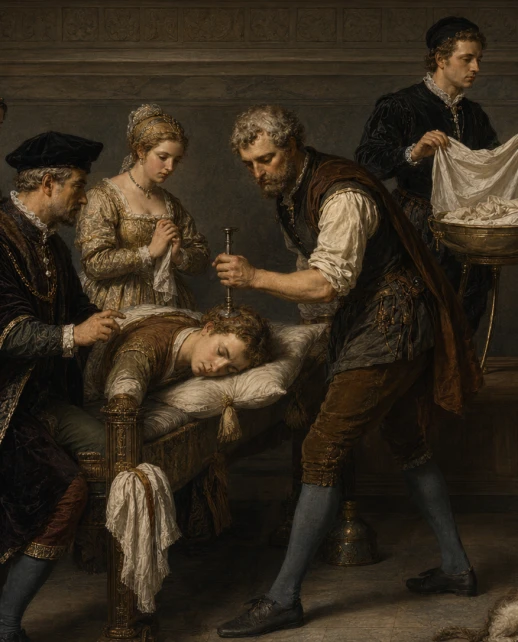
Barber-Surgeon
Italy , 1515 - 1575
Giovanni Andrea Della Croce (1515–1575), Italian Renaissance surgeon, neurosurgeon and traumatologist. Venetian surgeon published his landmark seven-volume surgical compendium in Latin (1573) and Italian (1574), bringing cutting-edge knowledge to physicians and barber-surgeons alike. Grounded in battlefield experience and rich in illustration, his work transformed surgery from a craft into a teachable science — earning him comparison with France's Ambroise Paré.
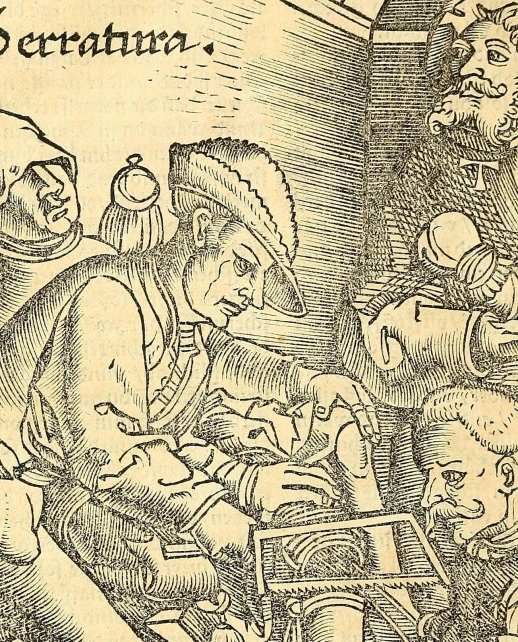
Barber-Surgeon
France , 1455 - 1529
Hans von Gersdorff (1455-1529) was a German surgeon and medical writer who lived during the 15th and early 16th centuries. He is best known for his military surgical experience and his influential medical manual, the Feldtbuch der Wundarzney (Field Book of Wound Medicine), which became one of the most widely used surgical textbooks in medieval Europe. His work played a crucial role in shaping the field of surgery, particularly in the treatment of battlefield injuries, amputations, and wound care.
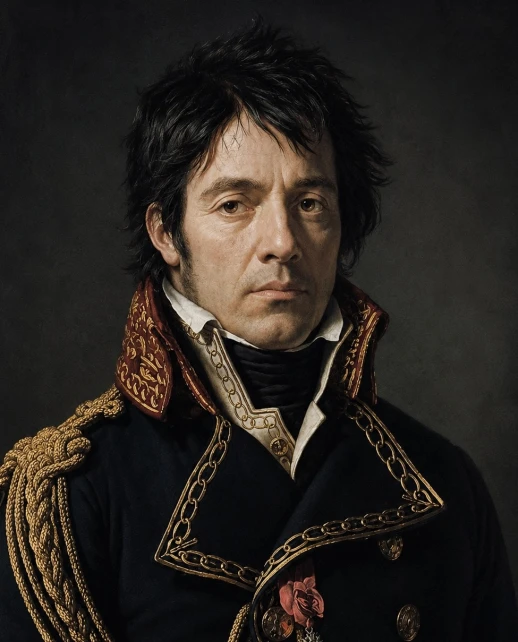
Surgeon
Germany , 1766 - 1842
Dominique-Jean Larrey (8 July 1766 — 25 July 1842), the legendary chief surgeon of Napoleon’s Grand Armée. His contemporaries remembered him as a brilliant surgeon, a talented physician, and a fearless man with a kind heart, for whom the fates of his patients were more important than his own life! He was inventor of the “flying medical carriages” (ambulances volantes) and wound triage system—treating the wounded victims based on the severity of their injuries and probability of medical outcome, rather than on military rank or nationality. Napoleon himself called Larrey “the most virtuous man I have ever known” a. Today, he is honored as the father of emergency medical care and modern military medicine—a man whose legacy continues to save lives on battlefields and in ambulances.
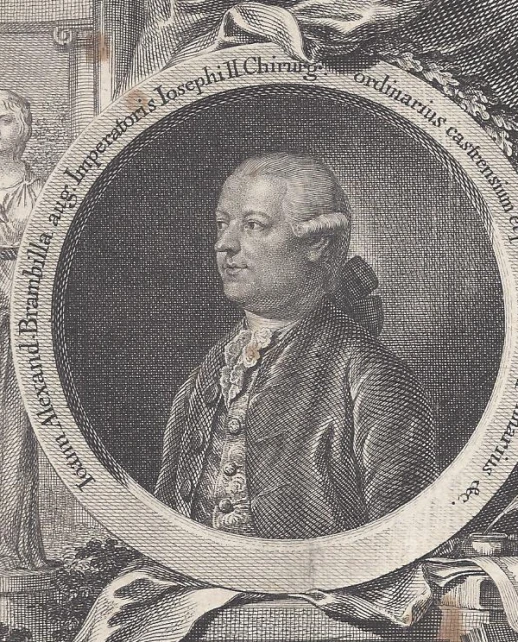
Surgeon
Austria , 1728 - 1800
Giovanni Alessandro Brambilla, Baron di Carpiano(San Zenone al Po, April 15, 1728 – Padua, July 30, 1800, was a great Italian and Austrian surgeon, Court Surgeon of the Emperor Joseph II, founder and the first director of the Military Medicine-Surgical Academy Josephinum, Vienna, Austria