
Search results15 results
COLLECTION
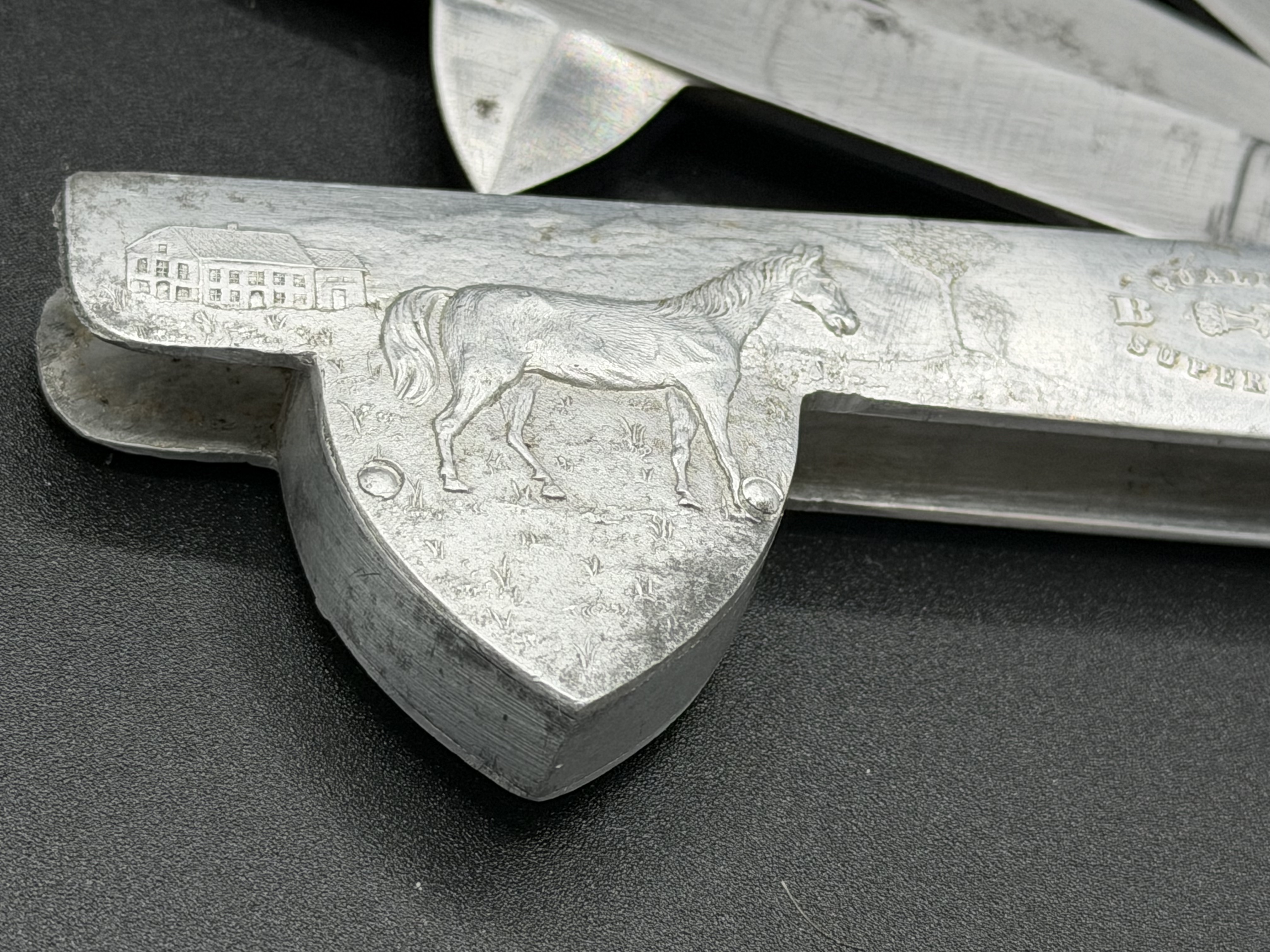
France, 19 C. 2 half
Veterinary folding multi-blade fleam with embossed aluminium scales (c. 1890–1910). Produced by Brene Guillaumot et fils (Nogent region, France), this four-blade folding instrument represents the final generation of veterinary bloodletting tools. It features Art Nouveau embossed aluminum scales depicting pastoral scenes of horses and cattle. While the trademark displays Napoleon III’s Legion of Honor, the use of industrial aluminum and the "Déposé" mark date the piece to the late Belle Époque. Origin: Damremont/Ney-l'Évêque, France.
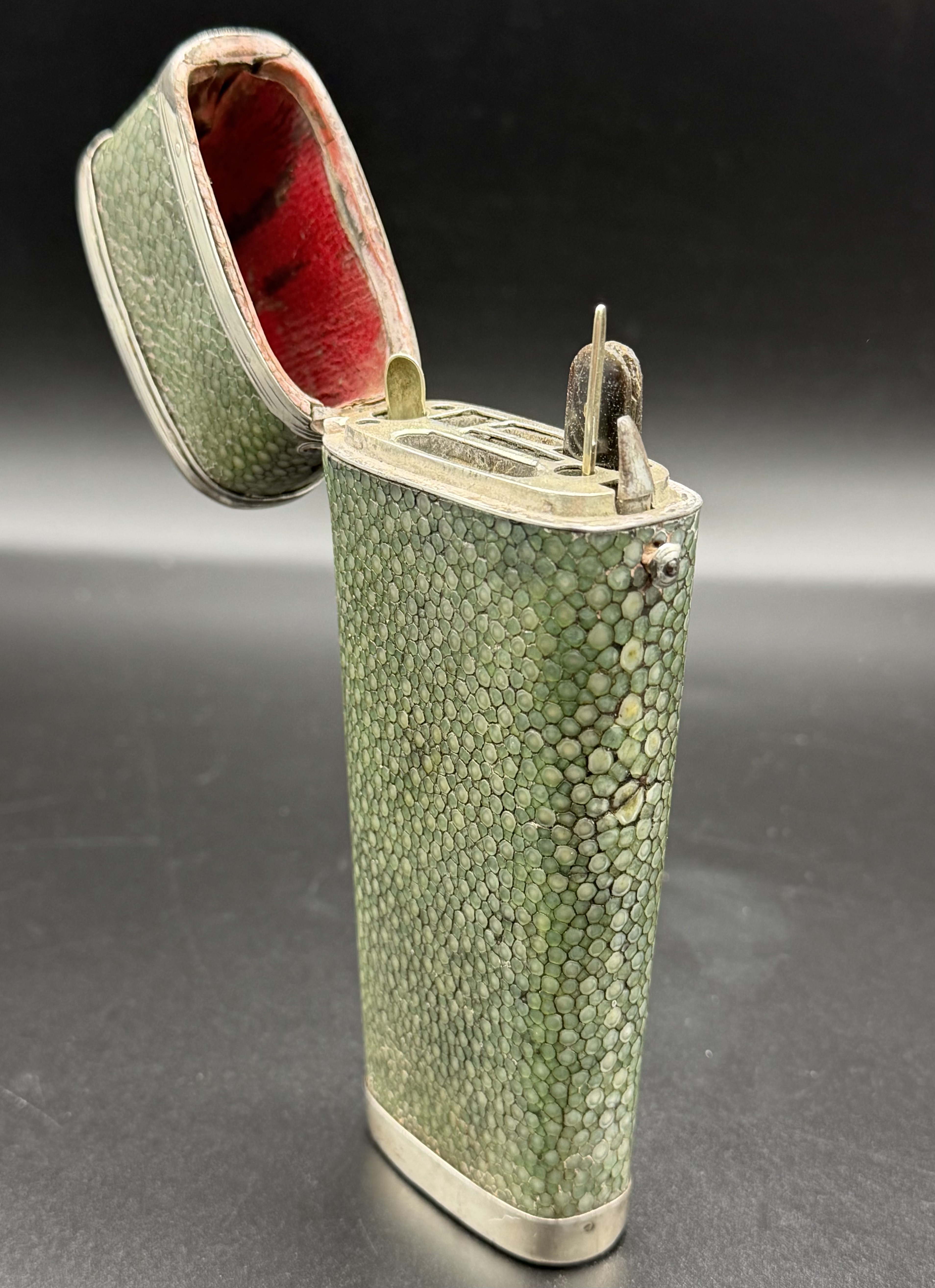
England, 19 C. 1 half
A Pocket Case for Surgical Instruments covered by green-stained shagreen, English, ca. 1800, with silver metal mounts, hinged cover engraved letter 'C', with slots for forceps, lancets, probes and others minor surgical instruments. Now is filled with several later instruments: lancet with tortoise shell handle, a probe and blunt needle. A part of shagreen on the the lid is detached.
LIBRARY
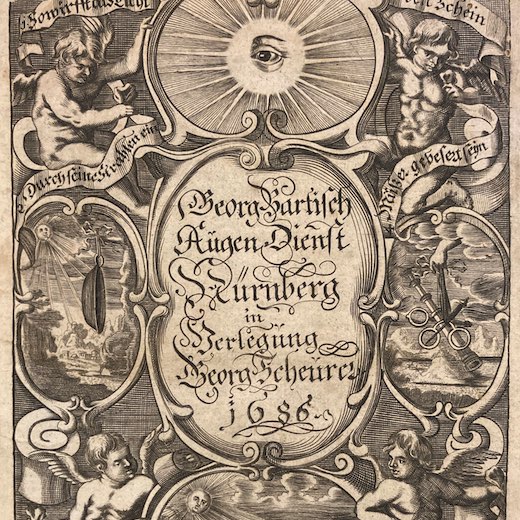
Germany, 17 C.
Bartisch, Georg
Augen-Dienst: Oder Kurtz und deutlich verfasster Bericht von allen und jeden in- und äusserlichen Mängeln Schäden Gebrechen und Zufällen der Augen (Eye Service: or report of all and every internal and external defects, damages, infirmities, and accidents of the eyes), Author: Georg Bartisch, Publisher: Georg Scheurer, Nuremberg, 1686
GALLERY
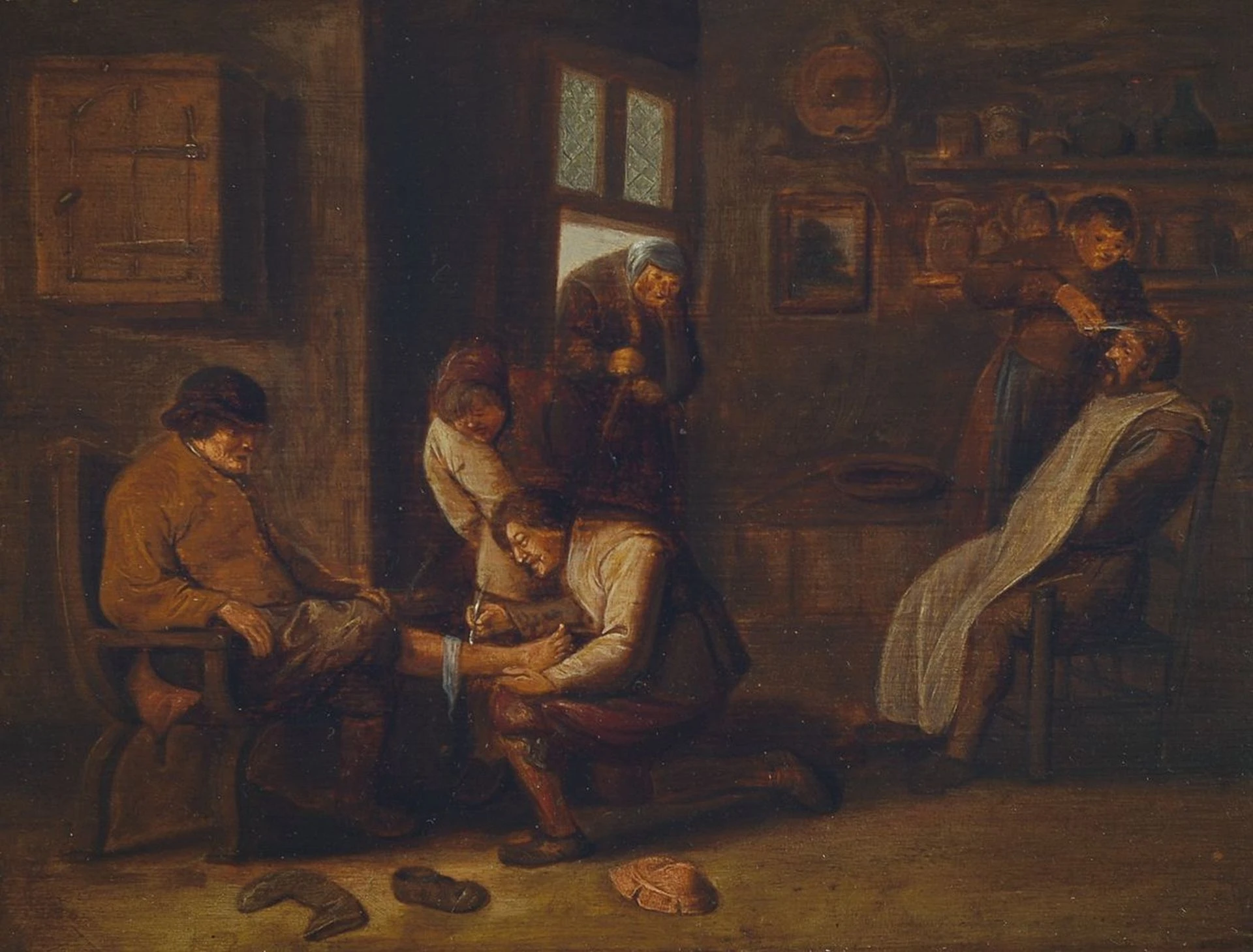
Netherlands, 19 C. 2 half
Unknown dutch traditionalist, 19th century, genre scene: lively practice of a barber-surgeon, cutting hair and operating as a typical characterization of the common guildprofession in styles of the 16th/17th century, oil on wooden panel. Size: 25,0 x 33,0, with gilden frame 34,0 x 42,0 cm
PEOPLE
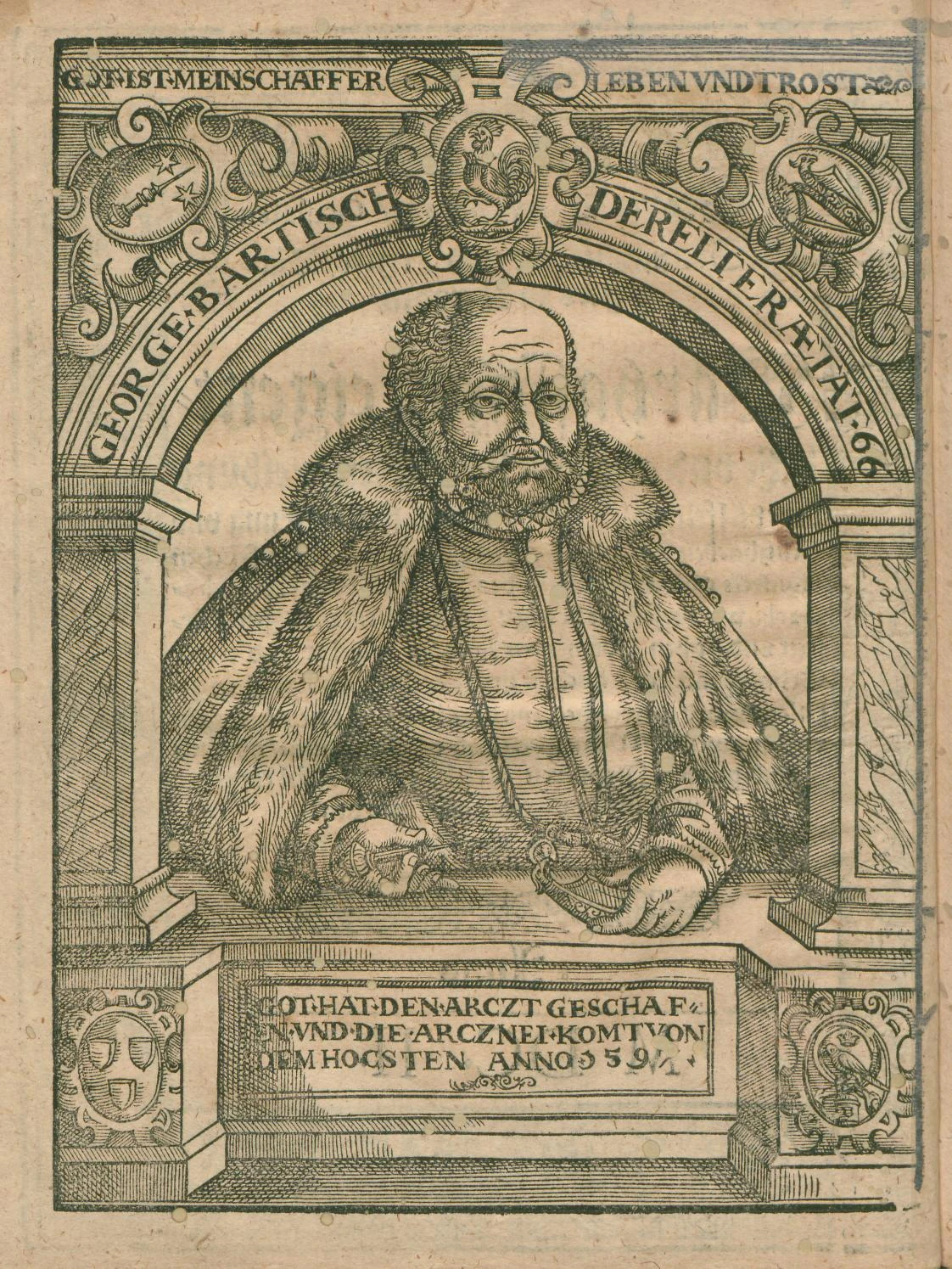
Georg Bartisch (1535–ca.1607), famous German barber-surgeon, founder of modern ophthalmology. Oculist, barber-surgeon, urologist, author of Ophthalmodouleia
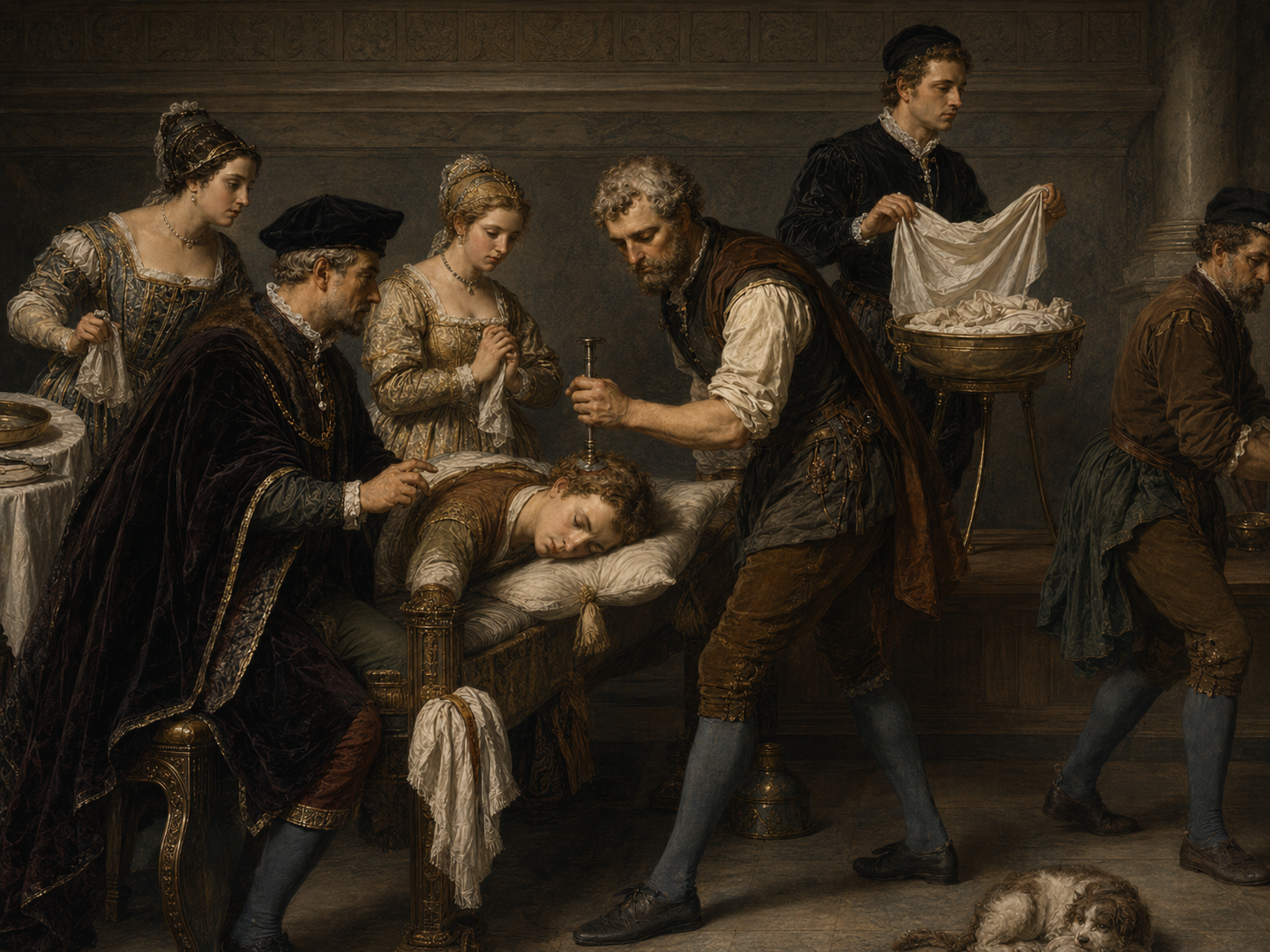
Giovanni Andrea Della Croce (1515–1575), Italian Renaissance surgeon, neurosurgeon and traumatologist. Venetian surgeon published his landmark seven-volume surgical compendium in Latin (1573) and Italian (1574), bringing cutting-edge knowledge to physicians and barber-surgeons alike. Grounded in battlefield experience and rich in illustration, his work transformed surgery from a craft into a teachable science — earning him comparison with France's Ambroise Paré.
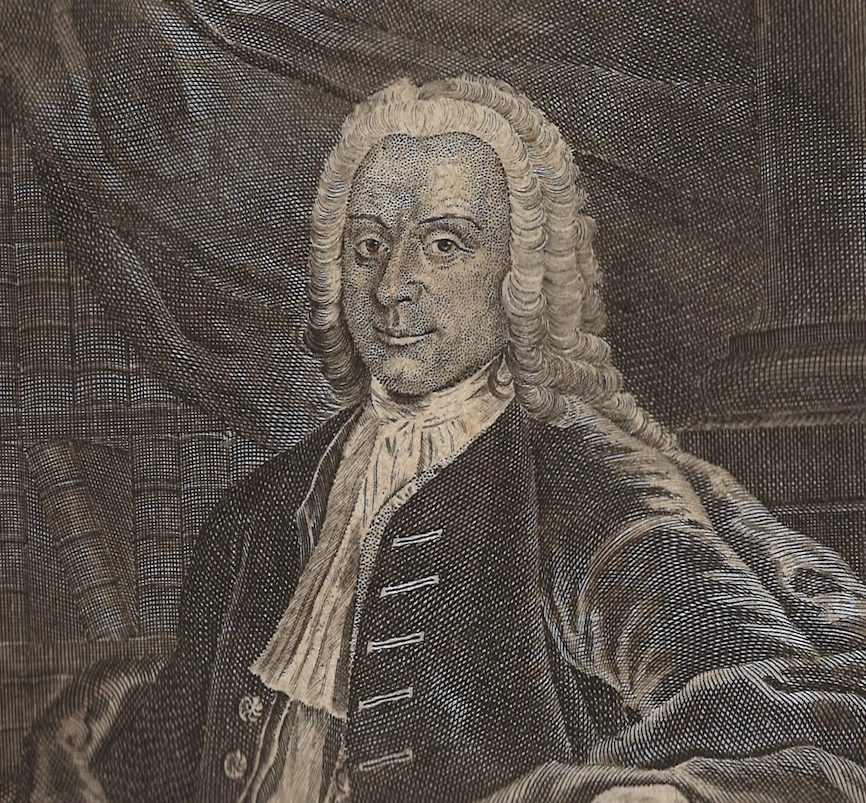
Lorenz Heister, an 18th-century prominent German surgeon, Professor of Anatomy and Surgery at the University of Altdorf, Germany. He authored influential books translated into multiple languages, leaving a lasting impact on medical education, including famous "Chirurgie, in welcher alles was zur Wund Artzney gehöret, nach der neuesten und besten Art, gründlich abgehandelt wird." translated in all main European languages.
FIRM
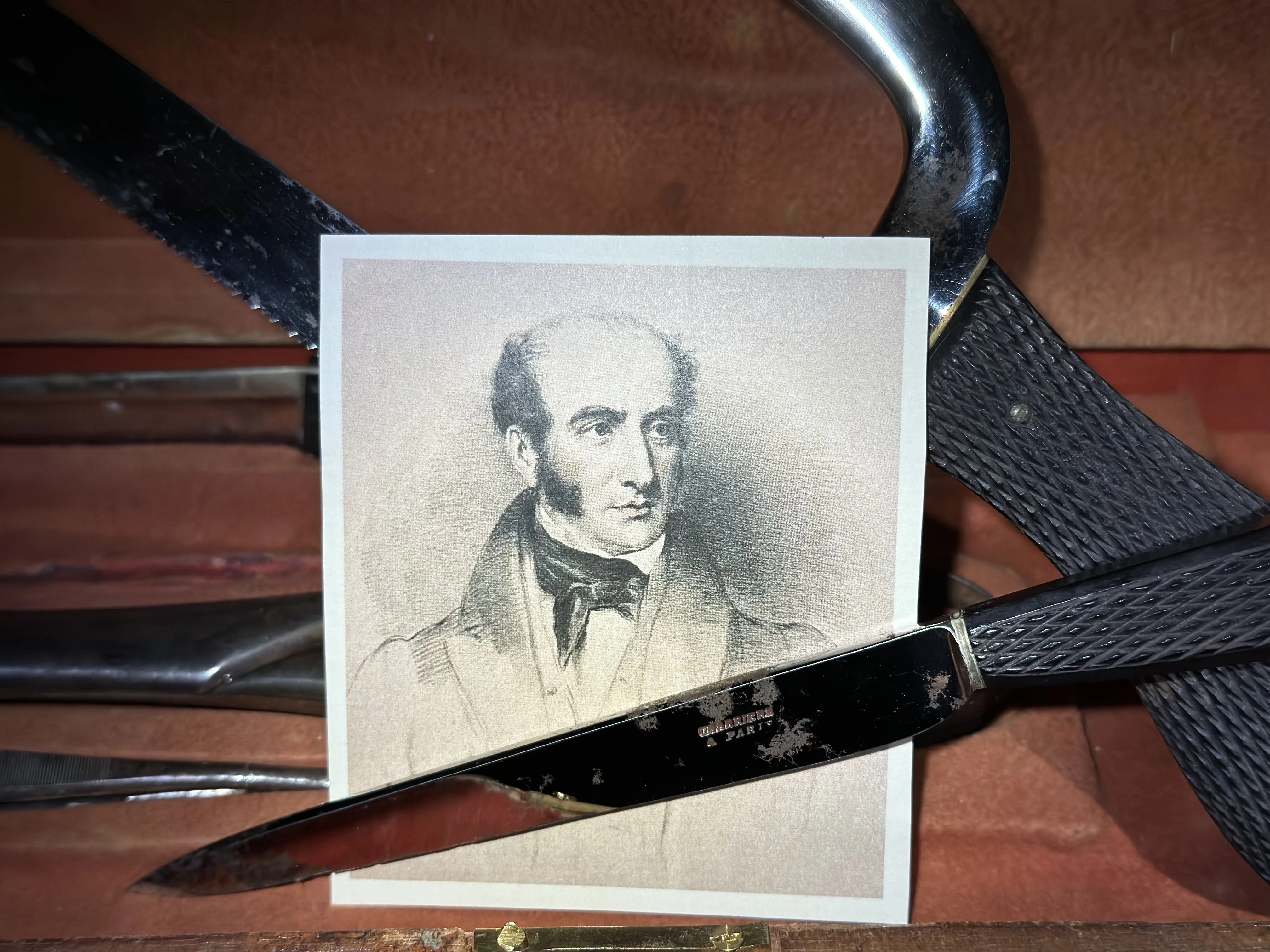
France, Paris
The French company Charrière, founded by Joseph-Frédéric-Benoêt Charrière (1803–1876) in the early 19th century, stands as a testament to innovation in medical instrument manufacturing. Born in 1803 in Switzerland, Charrière moved to Paris as a teenager and eventually took over his mentor's cutlery workshop. He became renowned for producing high-quality surgical instruments, notably in lithotripsy and anesthesia. Charrière's technical skill, creativity, and eagerness to learn from surgeons directly influenced his designs. He is also credited with creating the 'Charrière scale,' a measurement standard for medical instruments (also known as 'French gauge'). After his death the company worked under the name Maison Collin till 1957 when it was taken over by Maison Gentile. Charrière's legacy in medical technology endures, symbolizing groundbreaking advancements in healthcare tools.
MUSEUM
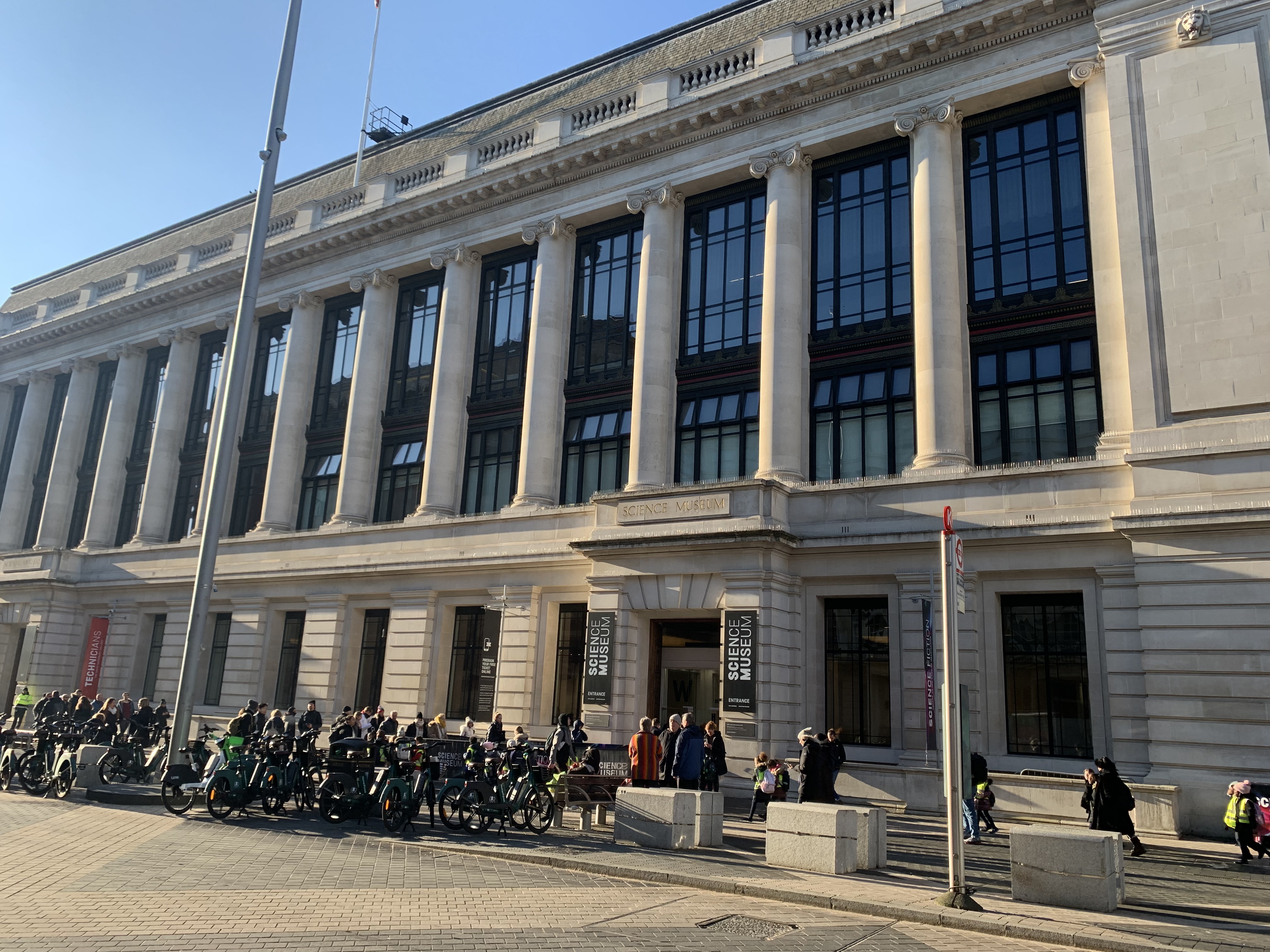
England, London
The Science Museum in London hosts one of the world’s largest medical collections, born from Sir Henry Wellcome’s vision to preserve the history of healing through objects. The modern Wellcome Galleries display over 3,000 items—from Fleming’s penicillin mould and the first MRI scanner to early prosthetics and surgical robots. Blending science, history, and ethics, the galleries engage millions of visitors yearly, while the digital catalogue and ongoing acquisitions ensure global educational and research impact.
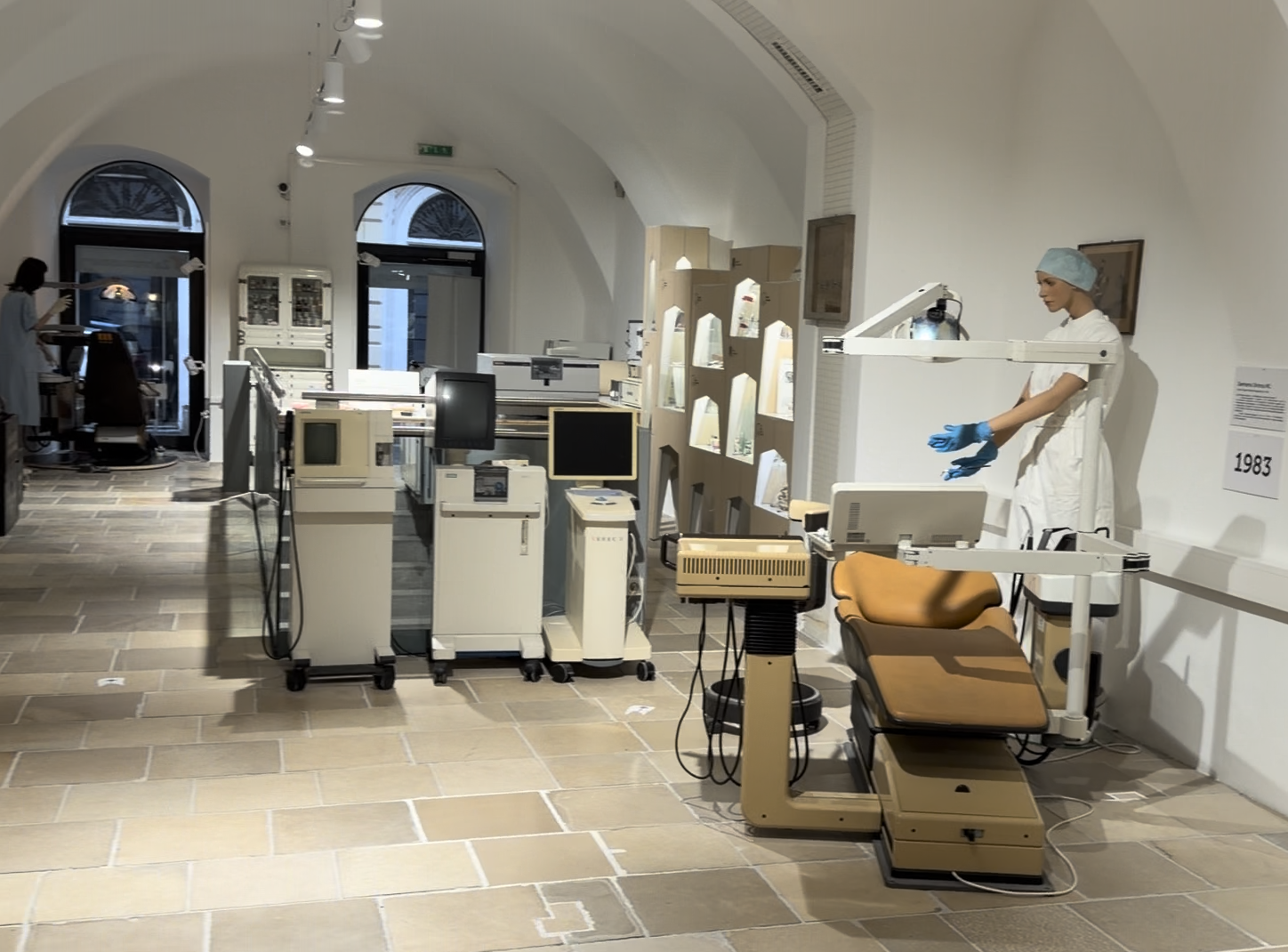
Austria, Linz
After extensive renovation, the Zahnmuseum (Museum of Dental History and Dental Technology) of the city of Linz has reopened its doors in the Old Town Hall building at Hauptplatz 1. Although the exhibition is located under the vaulted arches of a medieval building, the exhibition halls have a modern architectural design and are located on the first and basement floors. Here you can see unique exhibits, among which the most interesting are the workplaces of dentists from the 19th century onwards.
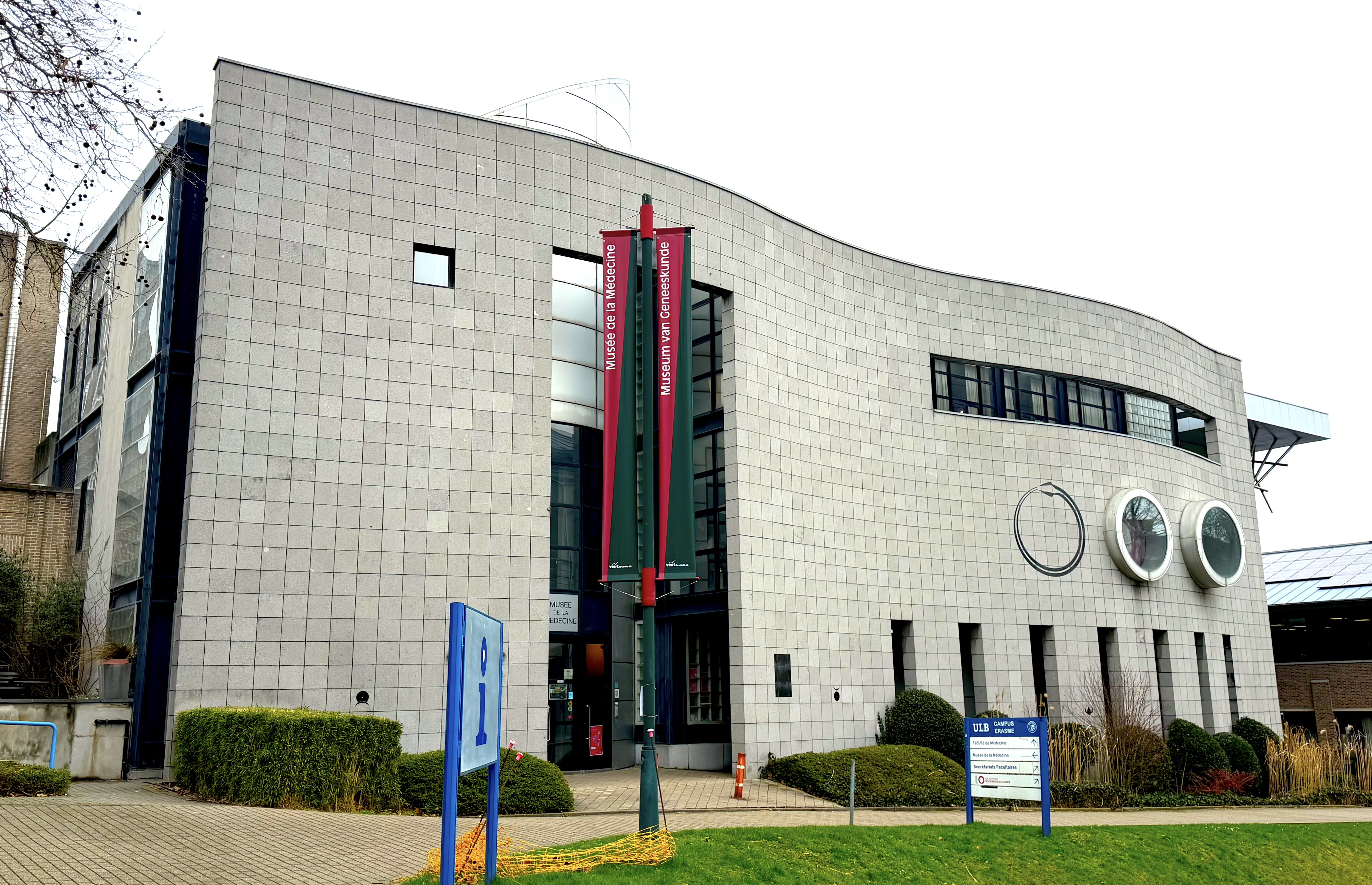
Belgium, Anderlecht
The Museum of Medicine in Brussels is located on the campus of the ULB (Université Libre de Bruxelles / Vrije Universiteit Brussel / Free University of Brussels) founded in 1994 is located in Anderlecht (Brussels-Capital Region). The exhibits are logically grouped into the following sections on four floors: Medicine in Egyptian Art; General History of Medicine (from Antiquity until the 20th Century); Pharmacy; Anatomical Waxes I (Anatomy, Obstetrics, Venereal Diseases); Medicine in Pre-Columbian Art.
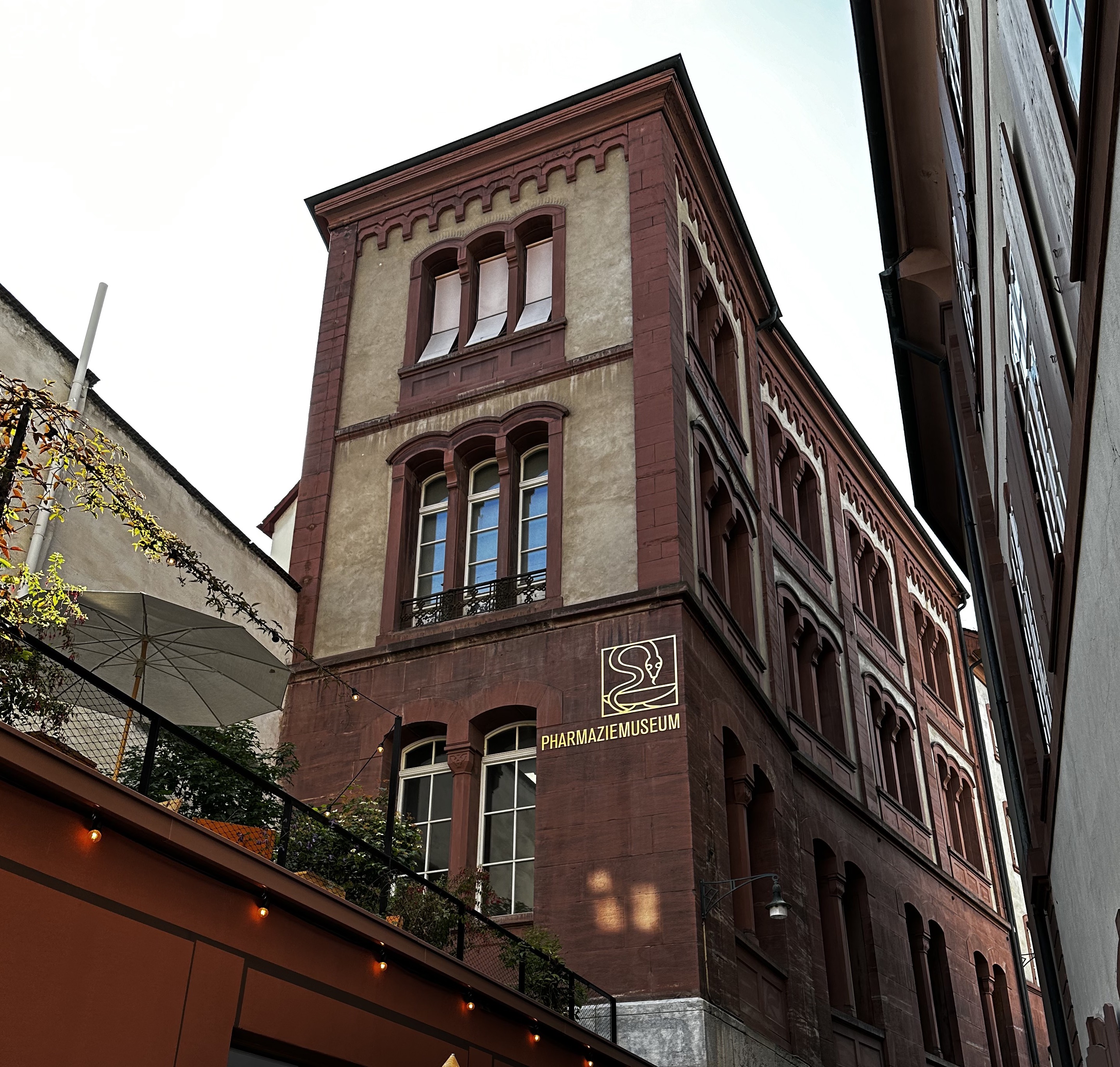
Switzerland, Basel
The Pharmacy Museum of the University of Basel (Pharmaziemuseum Universität Basel) is one of the largest and most important collections of historical pharmaceutical artifacts in the world, the only one of its kind in Switzerland. Its collection includes apothecary ceramics, fully preserved apothecary furniture, an alchemical laboratory, mortars, traveling apothecaries and surgical instruments, medical books, historical medicines and devices related to drug production. Museum is located in the heart of Basel's old town in the Zum Vorderen Sessel building, first mentioned in 1316. Over time, it has hosted notable figures such as Johann Amerbach, Johann Frobenius, Erasmus of Rotterdam, and Hans Holbein the Younger. In 1526-1527, the renowned Theophrastus von Hohenheim (Paracelsius) worked here, and his famulus Johannes Oporinus who later published Andreas Vesalius' groundbreaking anatomy book De fabrica corporis humani as well as works of Paracelsius.
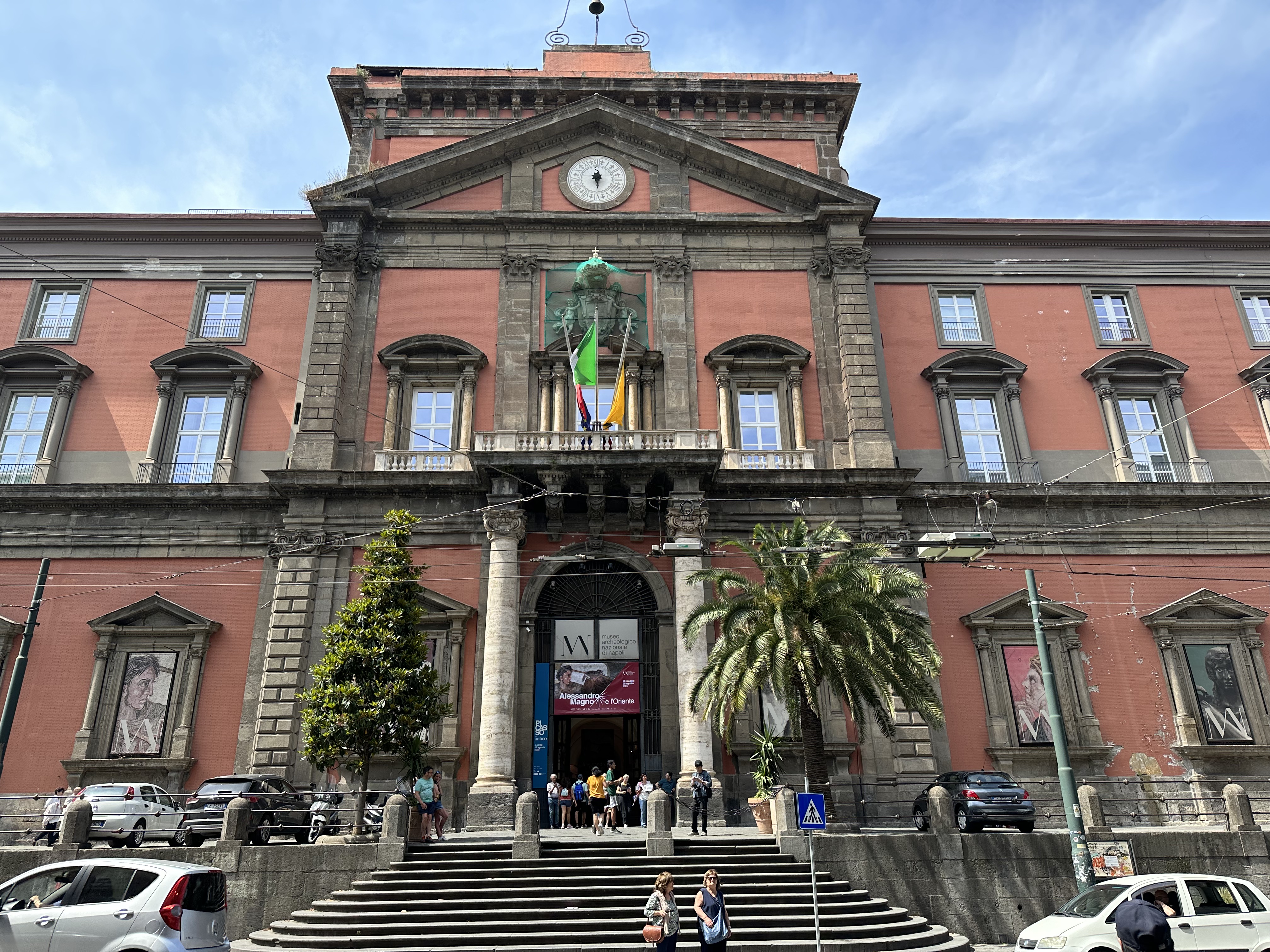
Italy, Naples
Museo Archeologico Nazionale di Napoli (National Archeological Museum of Neapel) holds a significant collection of medical and surgical instruments from ancient Rome recovered from the ruins of Pompeii and Herculaneum, destroyed by the eruption of Mount Vesuvius in 79 AD.
Articles
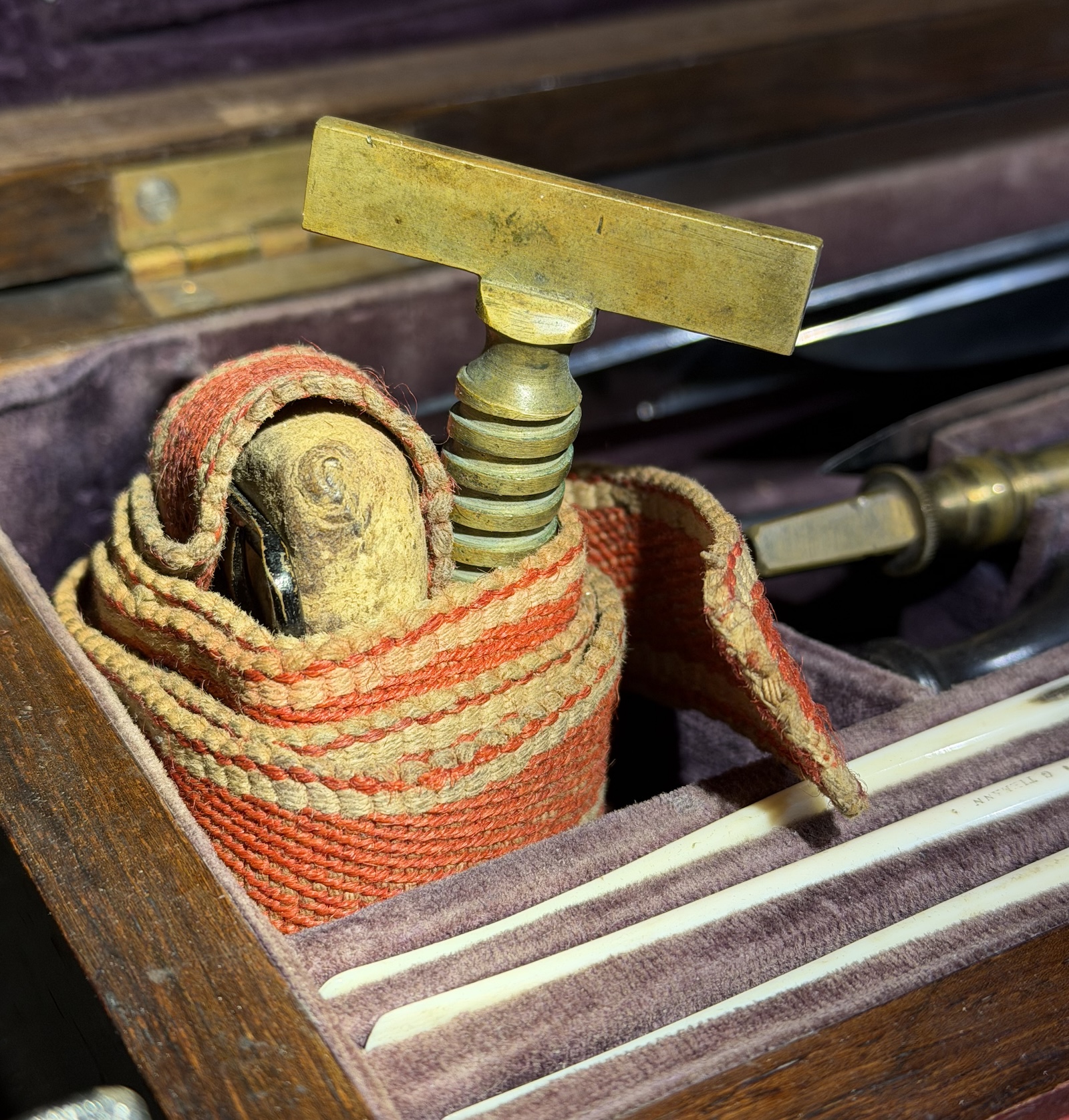
The tourniquet is considered by many to be one of the most significant inventions in the history of surgery, having saved millions of soldiers and trauma victims. The earliest documented methods of blood control emerged in ancient India, as evidenced by Sushruta's ligatures, and referenced by Roman medici for vessel tying and cauterisation, in addition to external limb binding. Medieval and Renaissance barber-surgeons utilised tight bands, and in the 18th century, Jean-Louis Petit developed the screw tourniquet. The evolution of emergency care has been characterised by significant developments, with innovations ranging from Esmarch's elastic bandage to modern C-A-T devices.
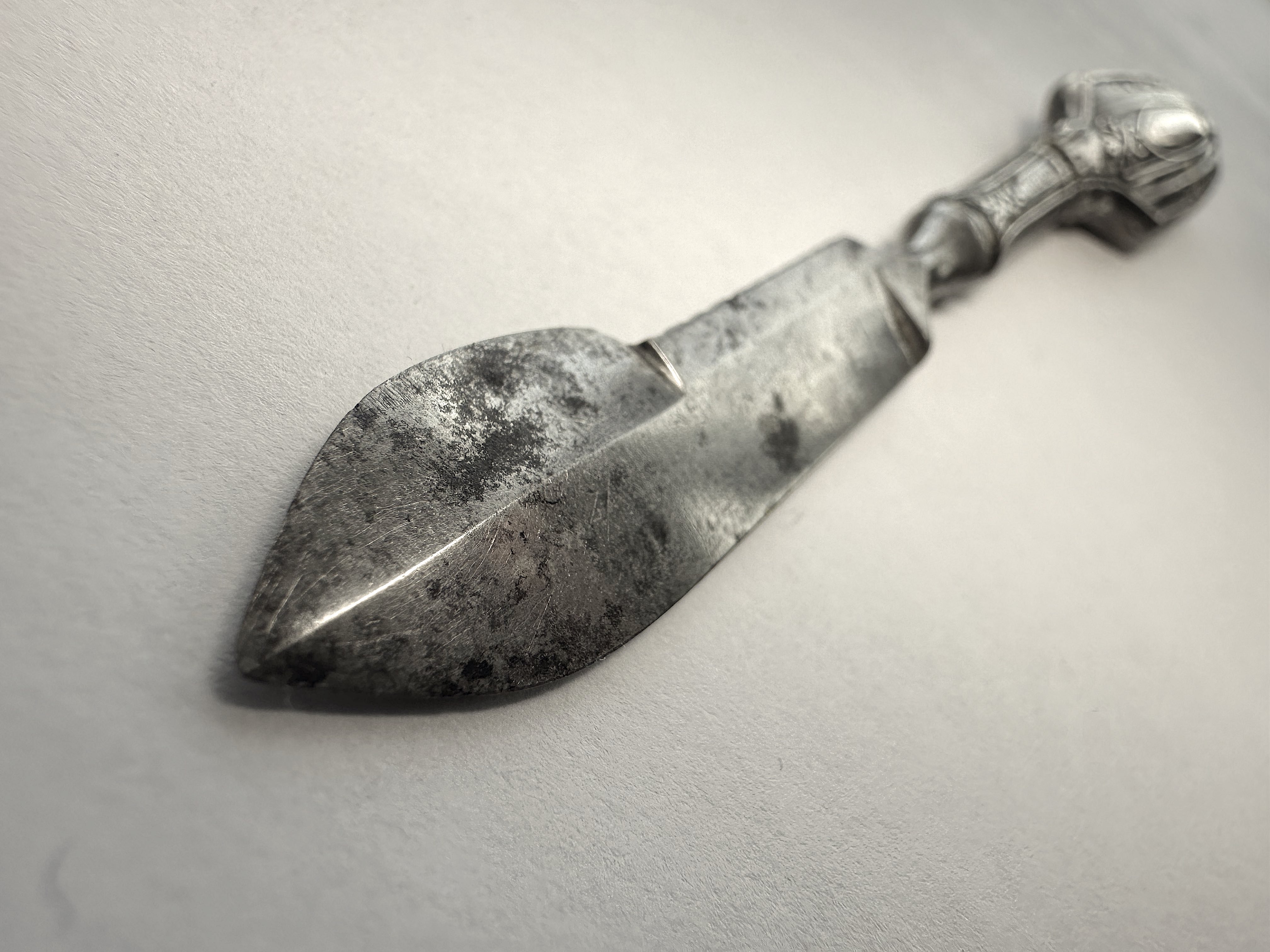
Everyone who deals with antiques sooner or later encounters fakes, collectors of surgical instruments and medical historians are no exception. One of the most frequently counterfeited, or rather issued with fake description – is the lancet, perhaps the most commonly used instrument of the surgeon up to the beginning of the 20th century. The classic antique surgical lancet was an instrument used for opening abscesses, phlebotomy (bloodletting) and other procedures requiring a precise and minimal incision. In appearance, it resembled a small, thin, pointed, double-edged knife that allowed the doctor to make clean and precise incisions. The presented specimen appeared to be not a "silver Victorian lancet", but something else...