Fliedner, Theodor
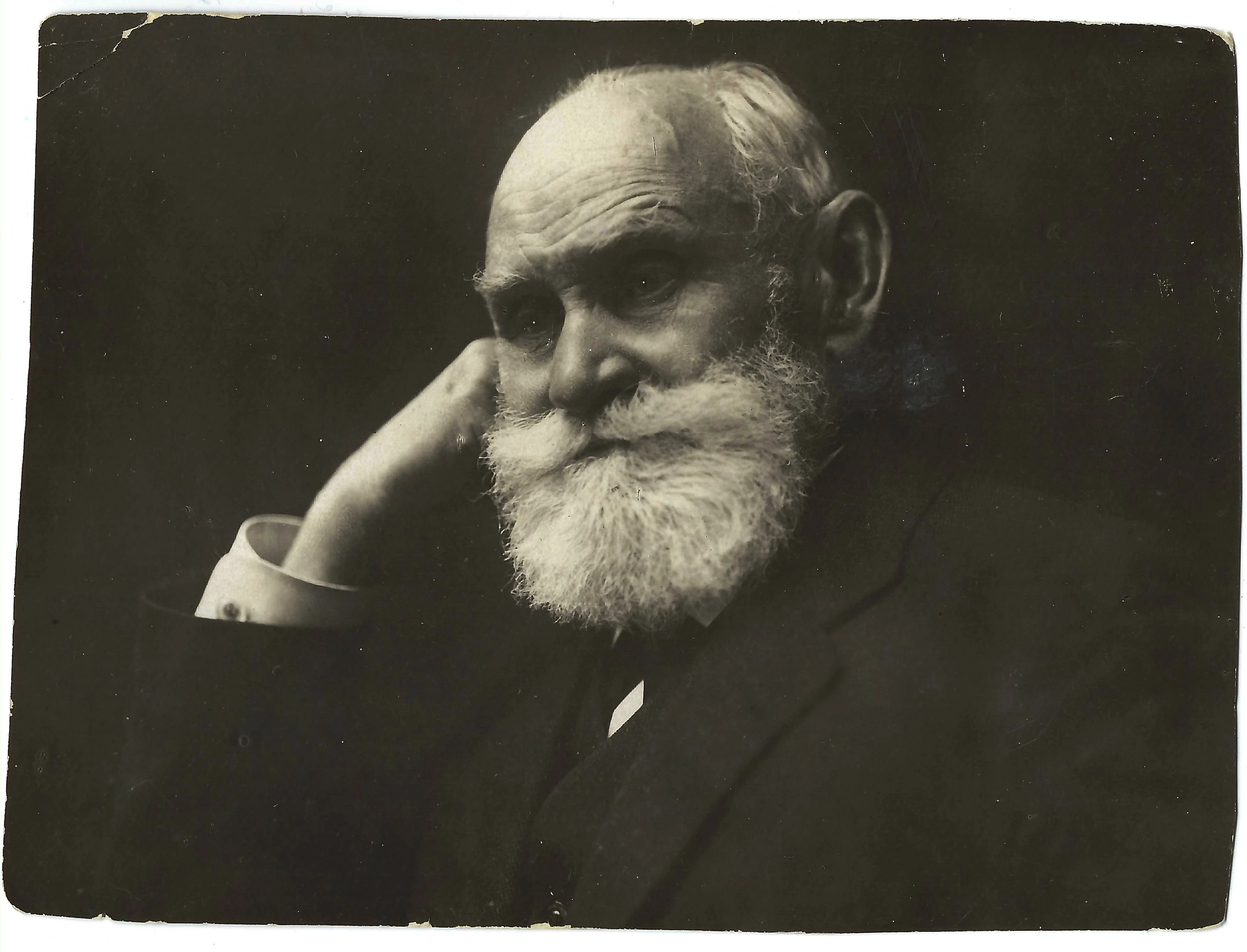
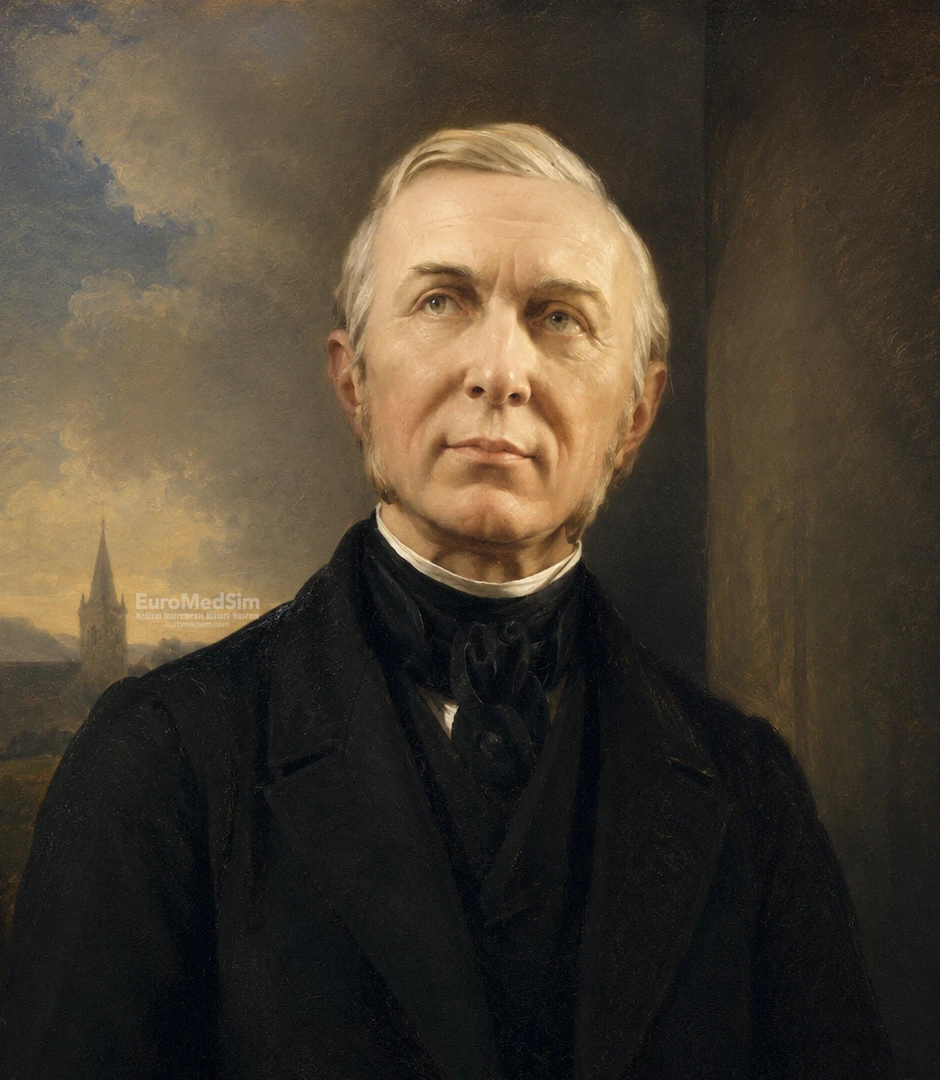
Pastor Theodor Fliedner: A Pioneer of Modern Nursing
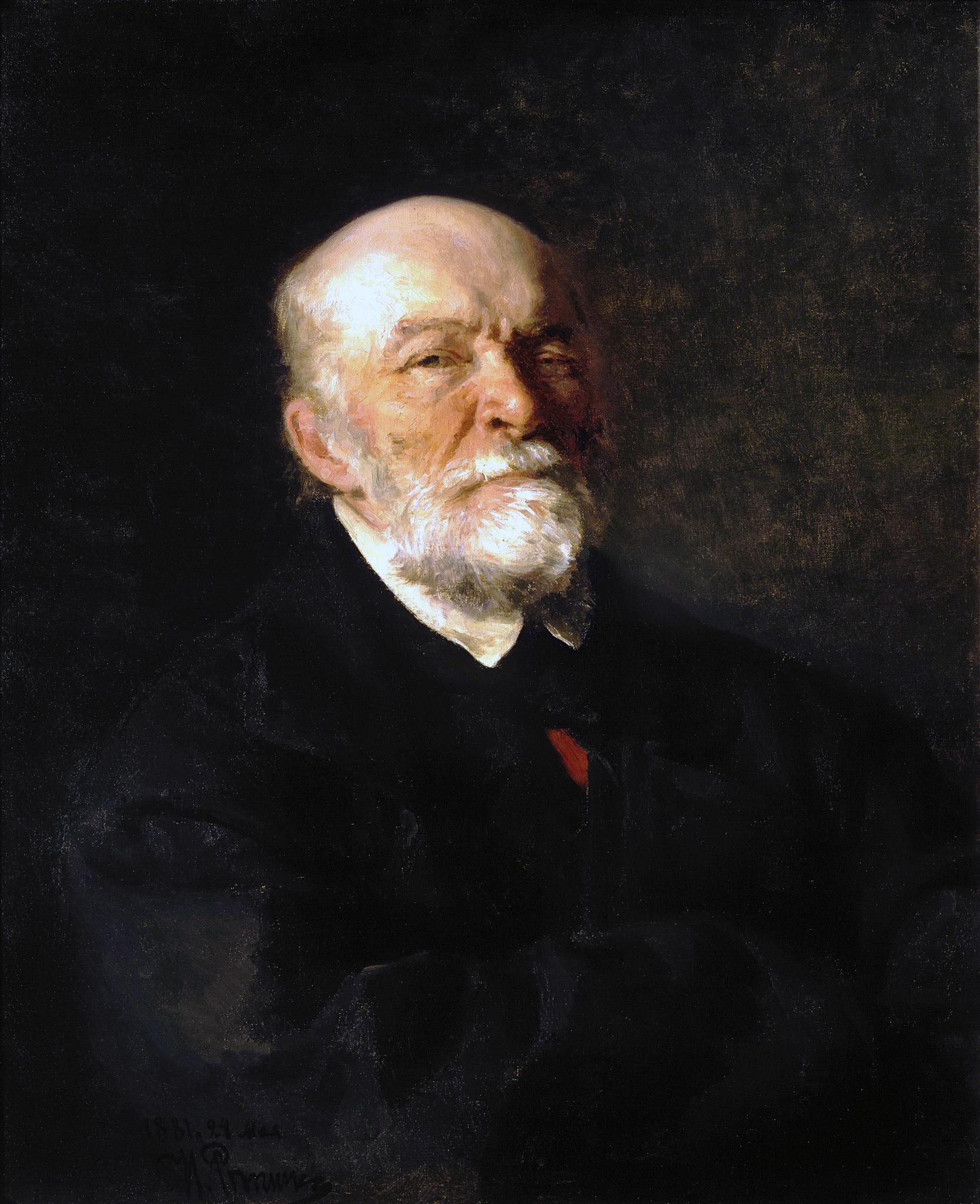
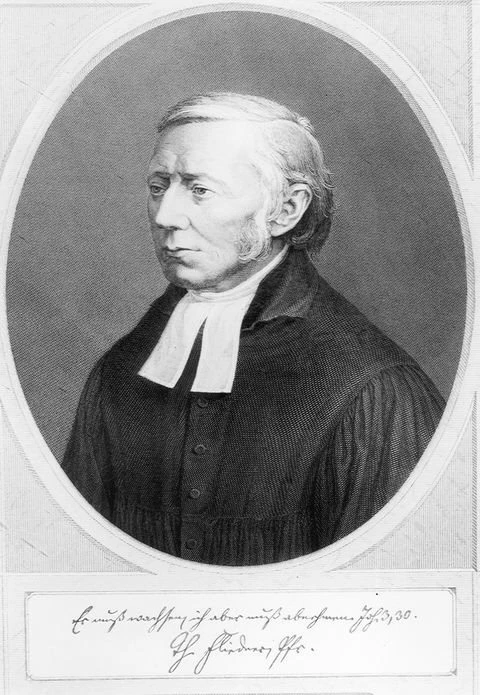
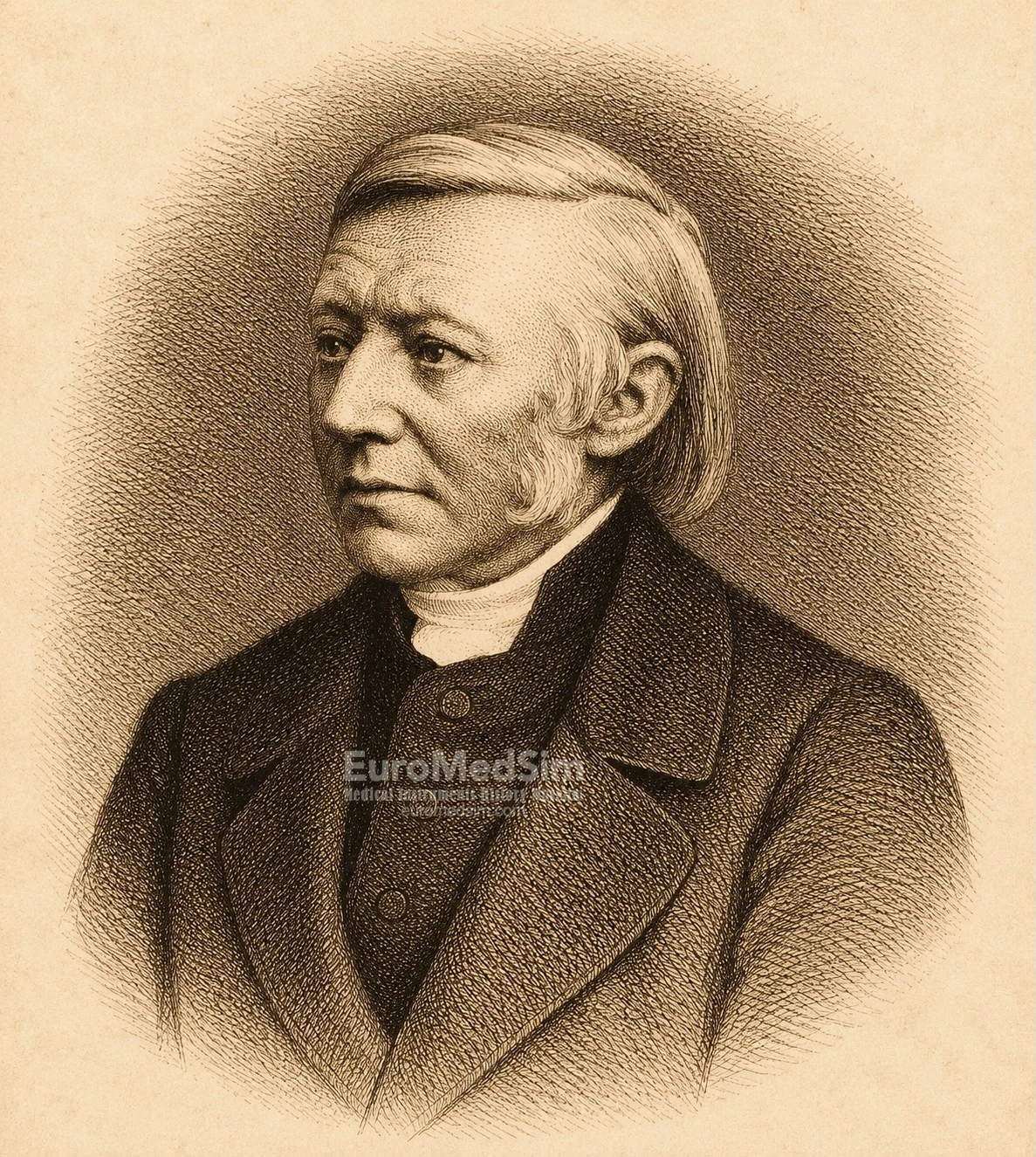
Theodor Fliedner (1800–1864) was a German Protestant pastor, social reformer, and one of the most influential figures in the development of professional nursing. Born into a pastor’s family in Eppstein, he studied theology in Giessen, Göttingen, and Herborn. In the early 1820s, he became pastor of the small Protestant congregation in Kaiserswerth, today a district of Düsseldorf. His work there gradually extended far beyond the conventional responsibilities of a parish minister.
During journeys through the Netherlands and England, Fliedner encountered Protestant charitable institutions and new approaches to prison reform, education, and care for the sick. These experiences convinced him that Christian faith should be expressed through organised and practical social service. He became involved in prison welfare and, together with his wife Friederike, opened a refuge for women released from prison in 1833. The couple subsequently developed institutions for children, teachers, the sick, and other vulnerable groups.
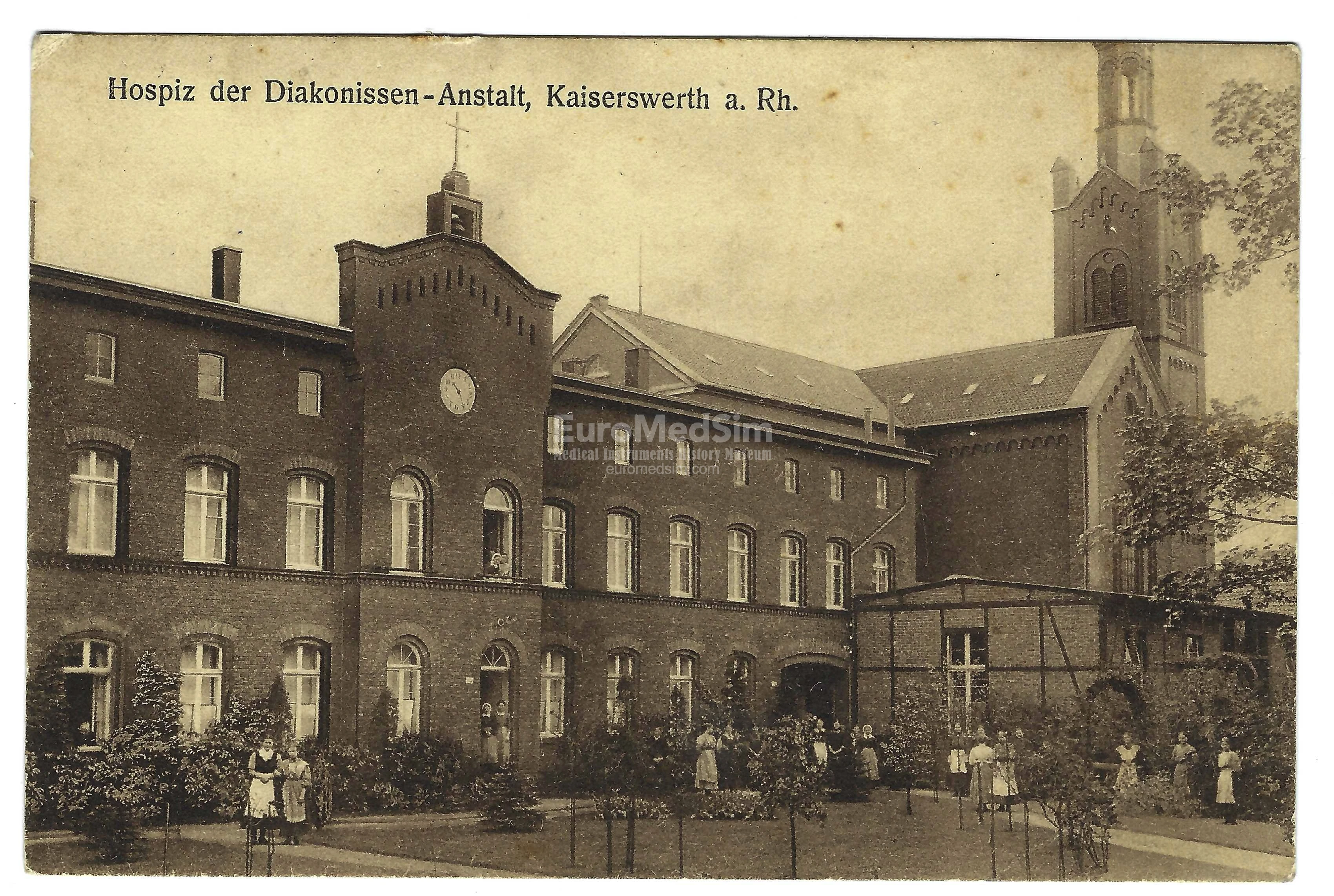
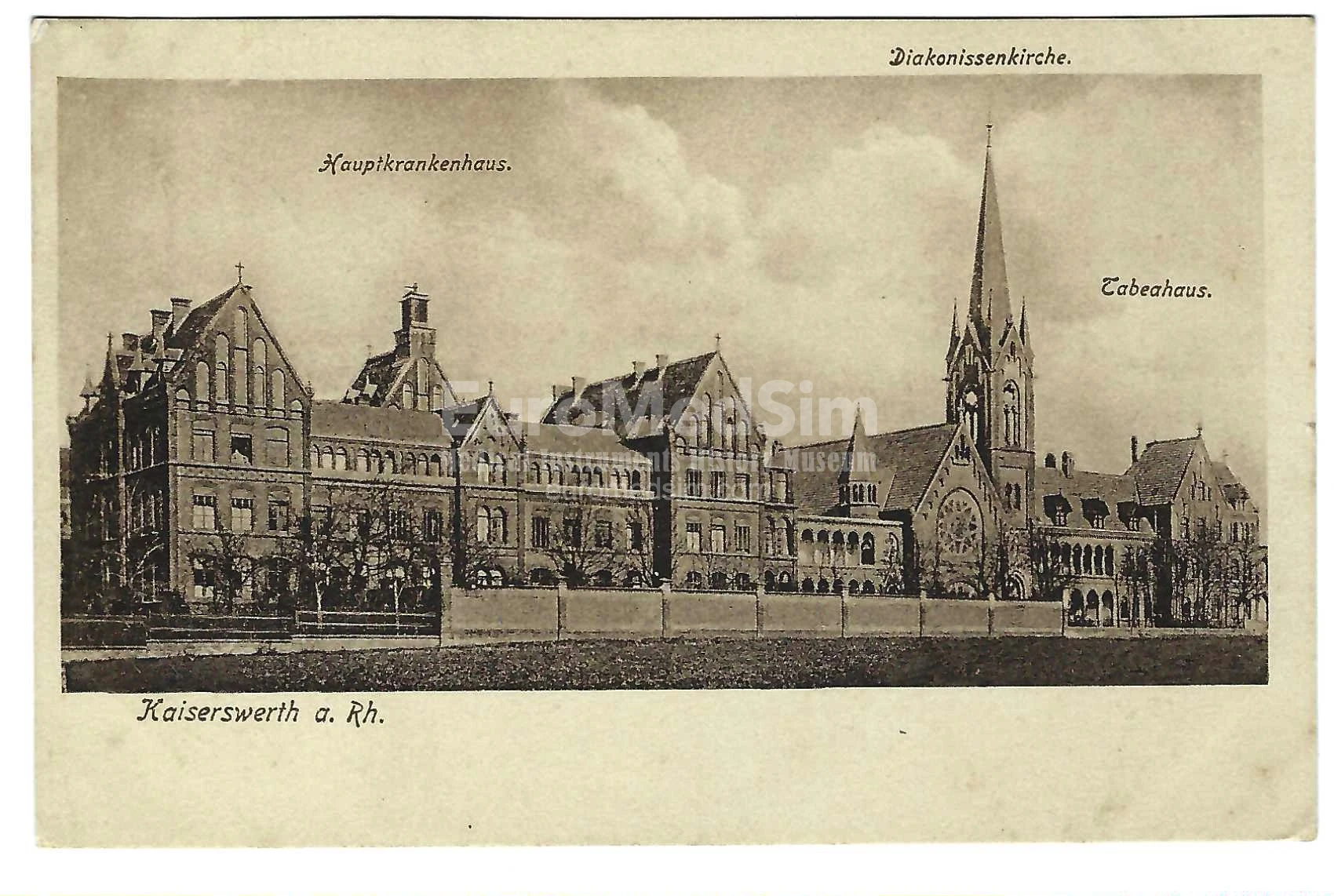
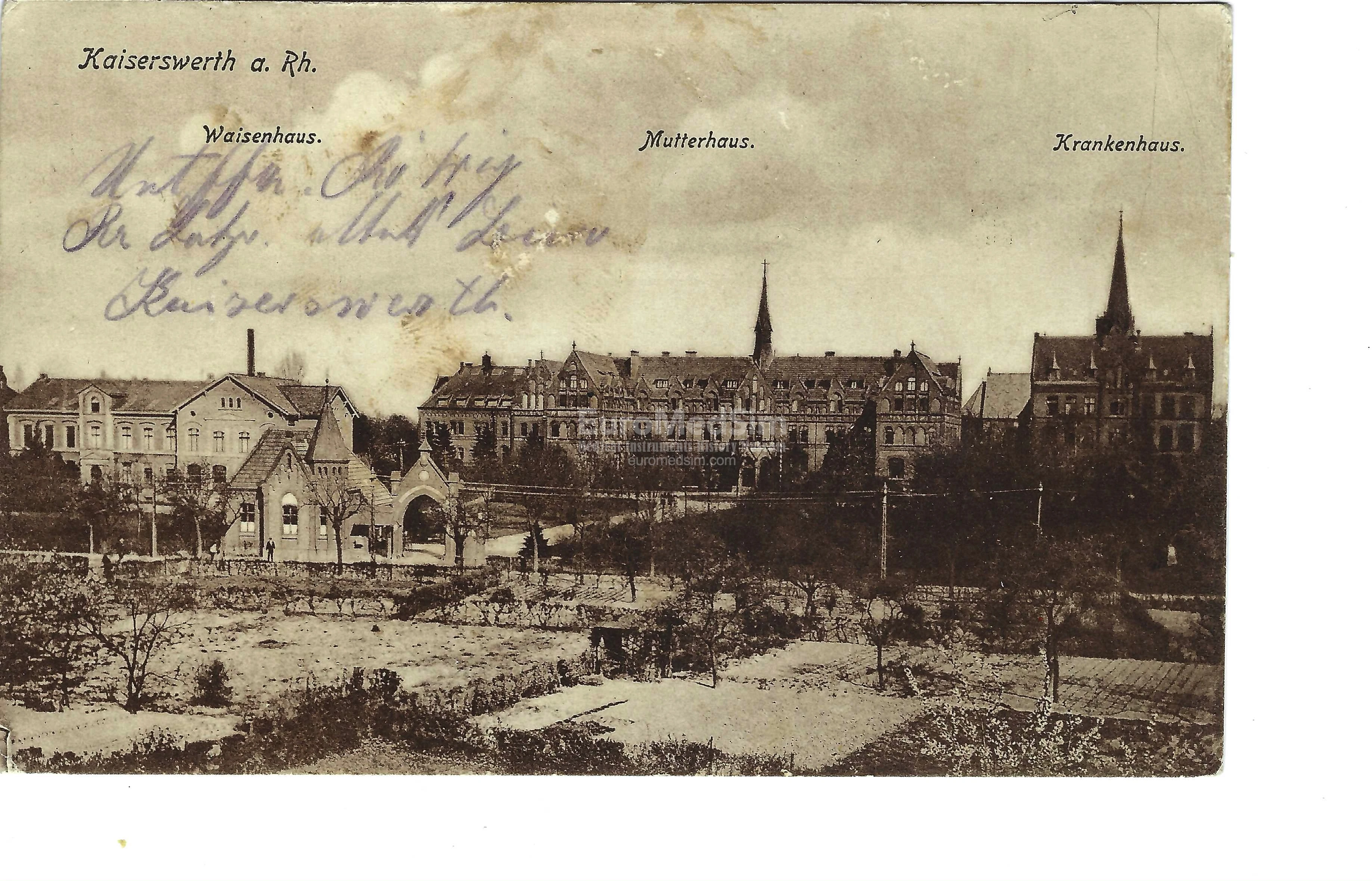
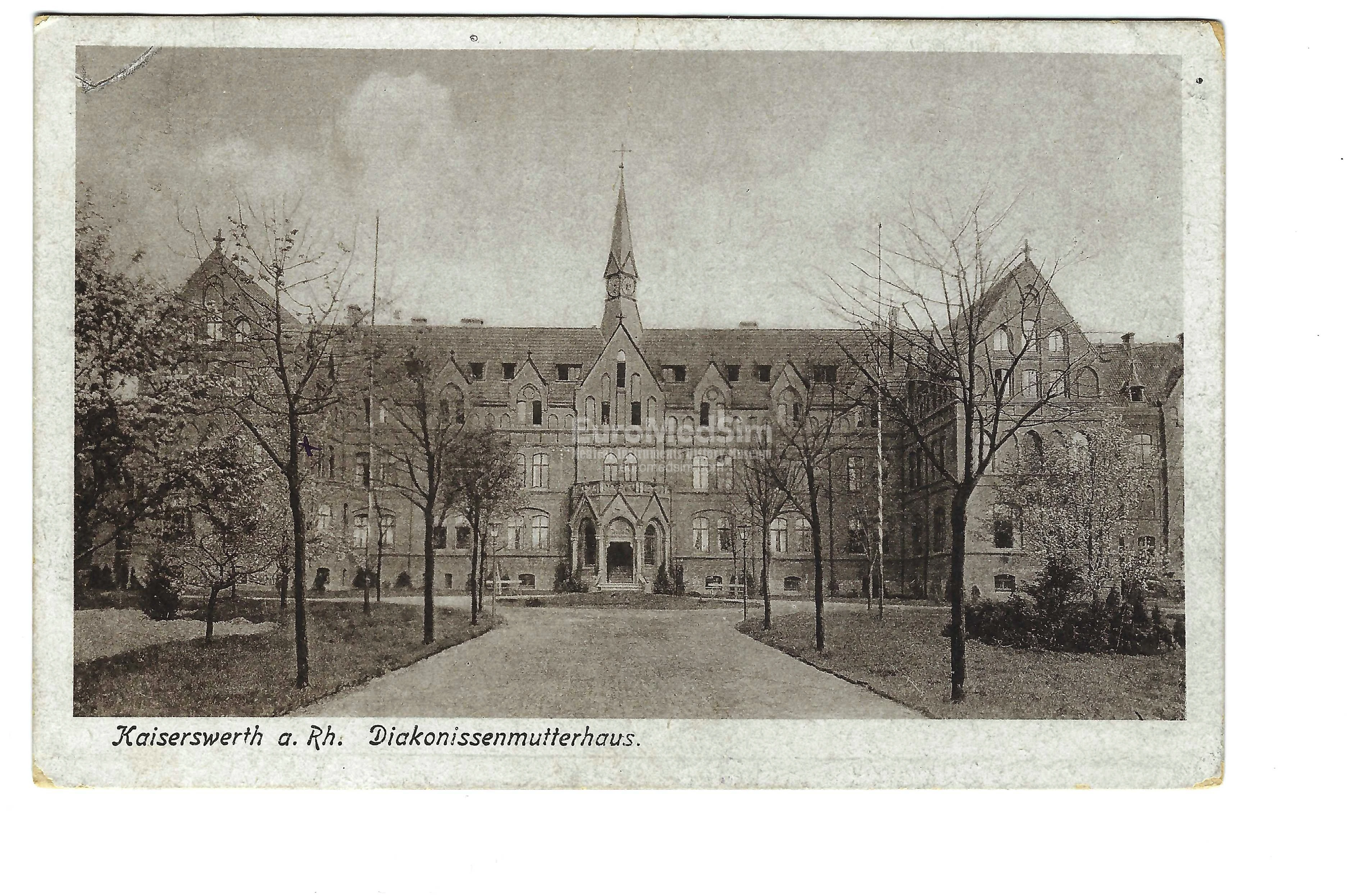
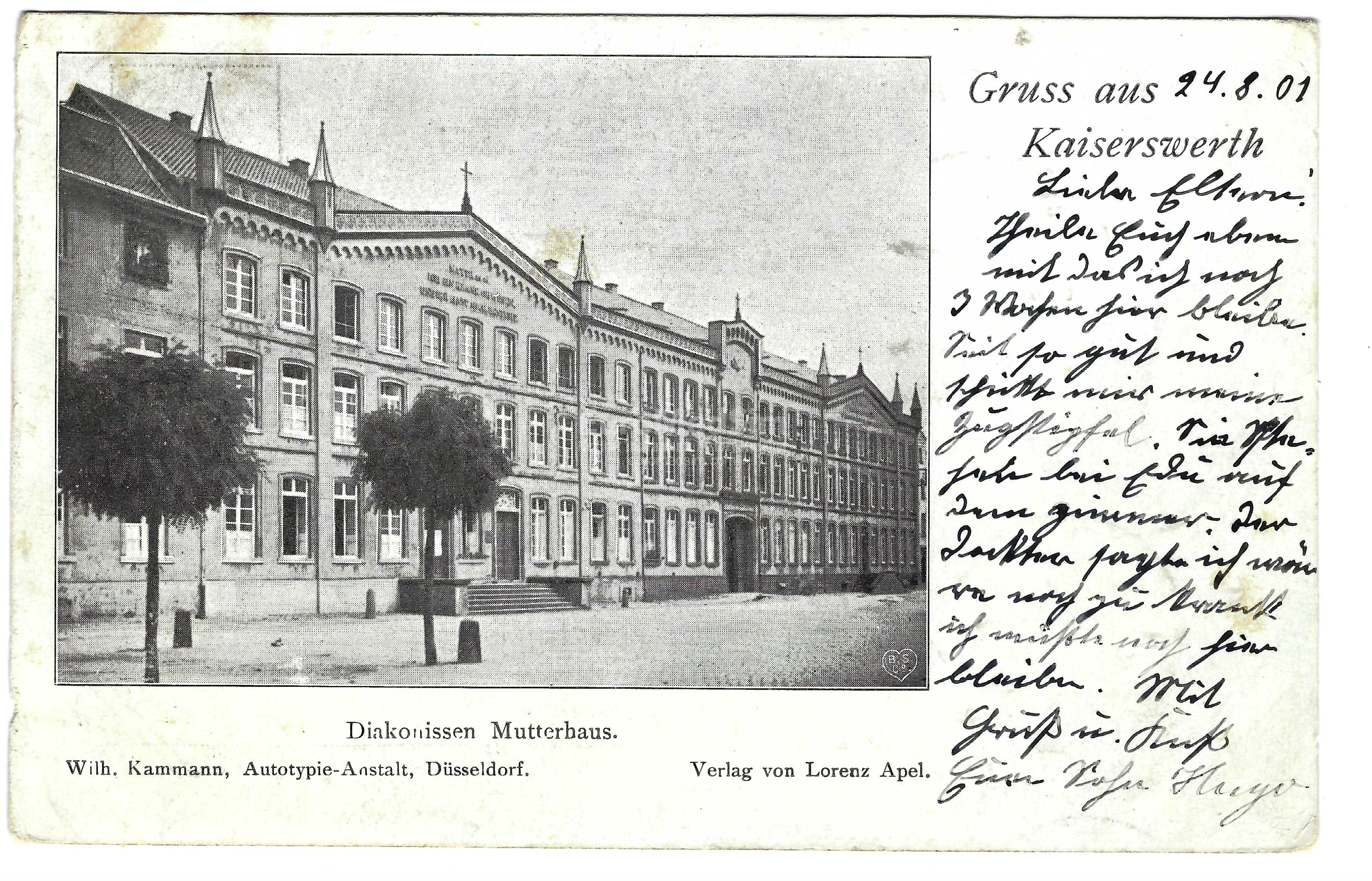
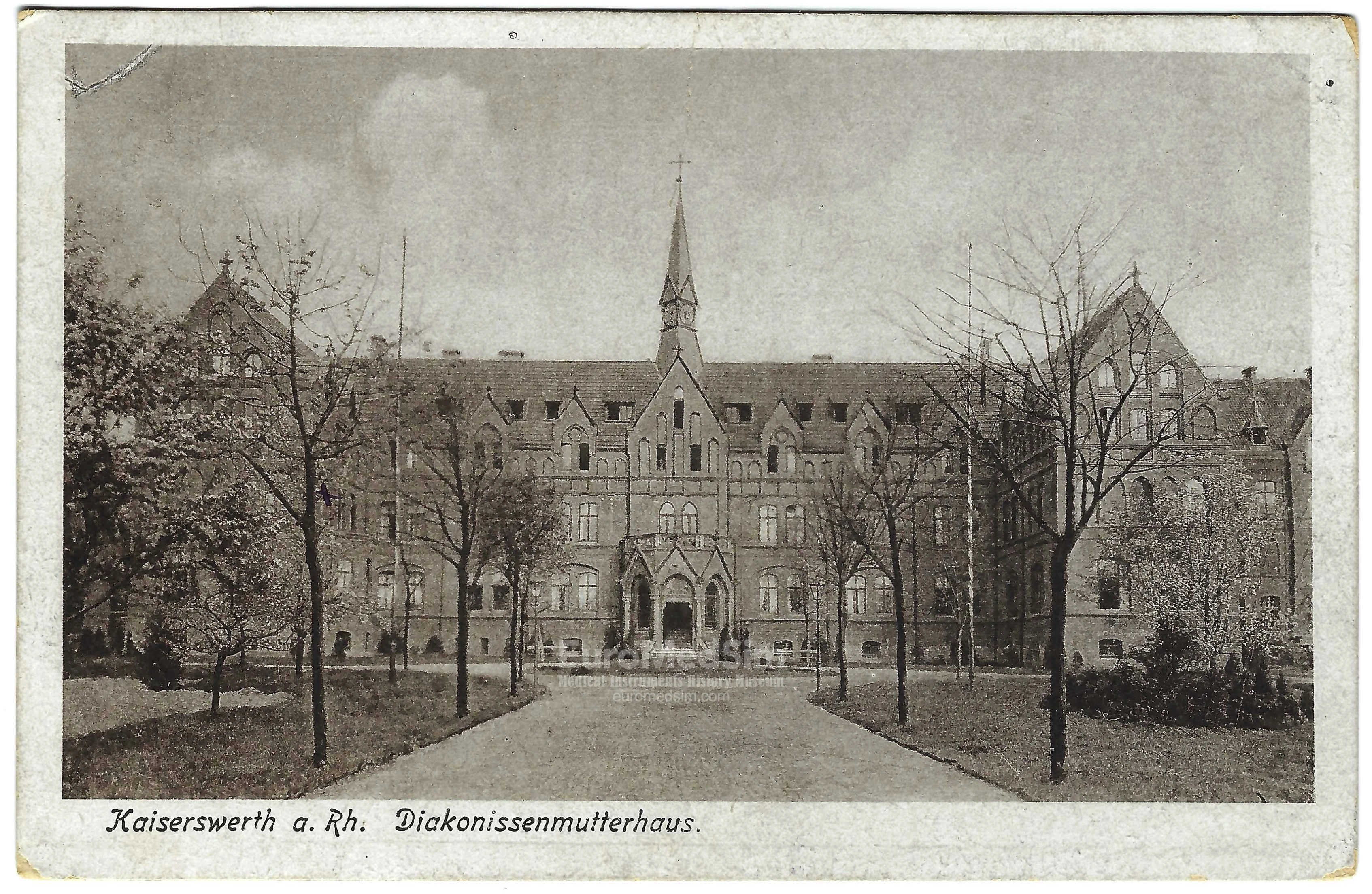
Their most important foundation was the Kaiserswerth Deaconess Institute, opened in 1836. It combined a hospital, a training school, and a communal residence known as the Mutterhaus, or motherhouse. Unmarried Protestant women were trained as deaconesses for nursing, education, and social work. Instruction united religious formation with systematic theoretical teaching and supervised practical experience—an important step towards the professionalisation of nursing. Friederike Fliedner, the institute’s first female superintendent, played a central role in organising the community and training its first deaconesses.
The Kaiserswerth model spread widely. Deaconesses trained there were sent to hospitals, parishes, schools, and charitable institutions in Germany and abroad, while similar motherhouses were founded in many other countries. Fliedner actively supported this international network and brought representatives of existing motherhouses together in Kaiserswerth in 1861.
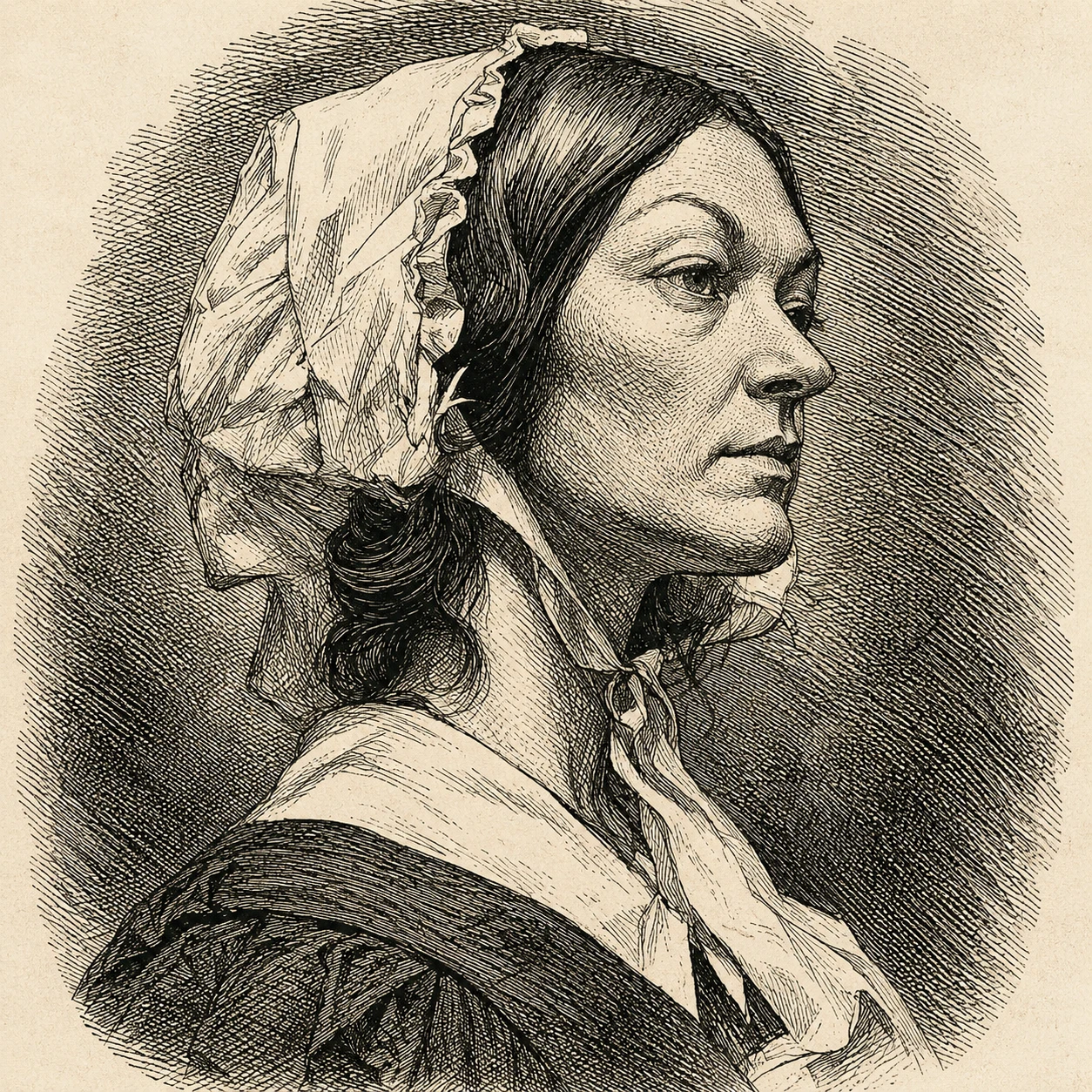
Kaiserswerth also influenced Florence Nightingale, who studied at the institution before beginning her nursing reforms in Britain. Fliedner’s lasting achievement was therefore not merely the creation of a single hospital or religious community. Together with Friederike and later his second wife, Caroline, he helped establish a structured system in which nursing became a trained vocation, combining knowledge, practical competence, discipline, and responsibility for those in need.