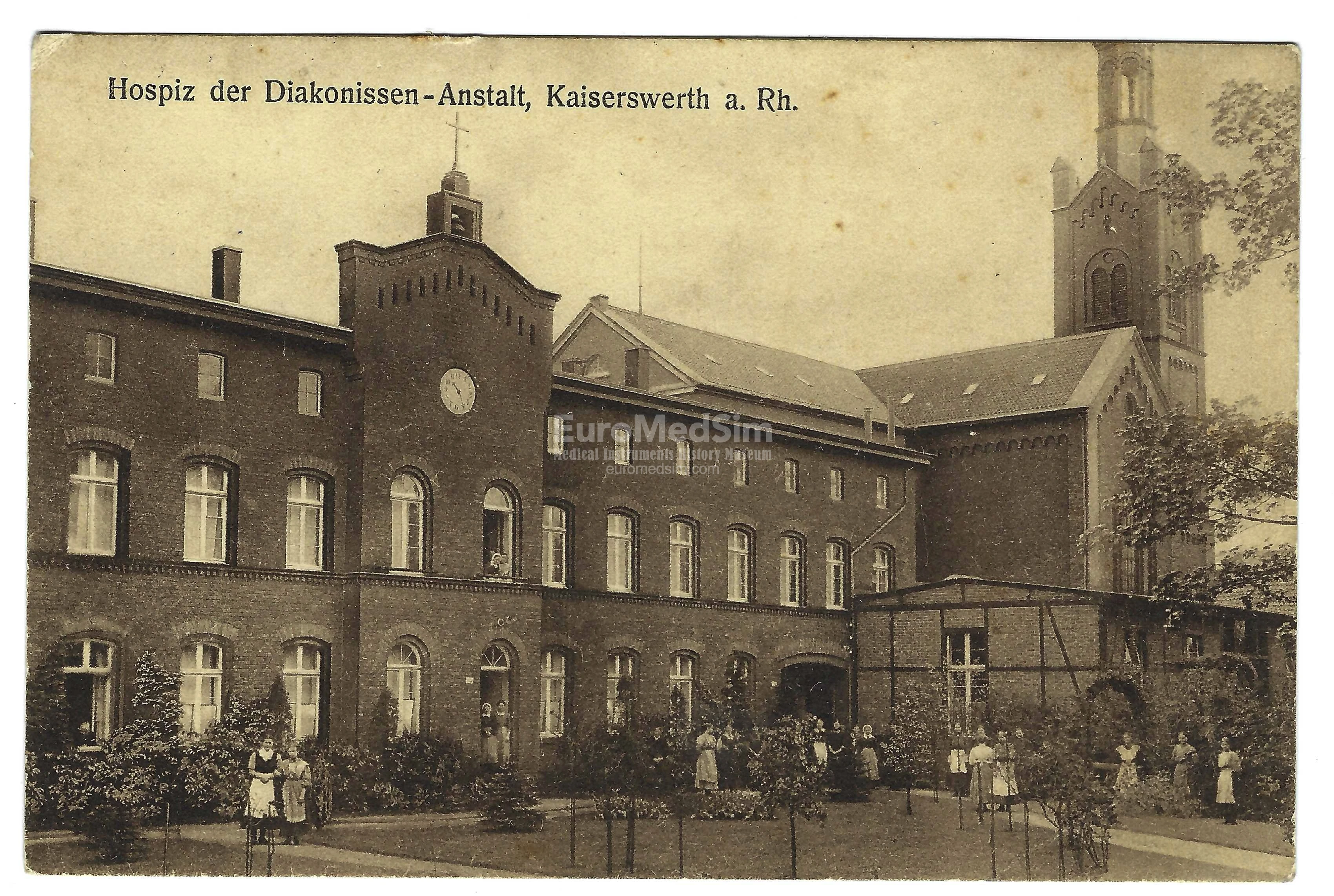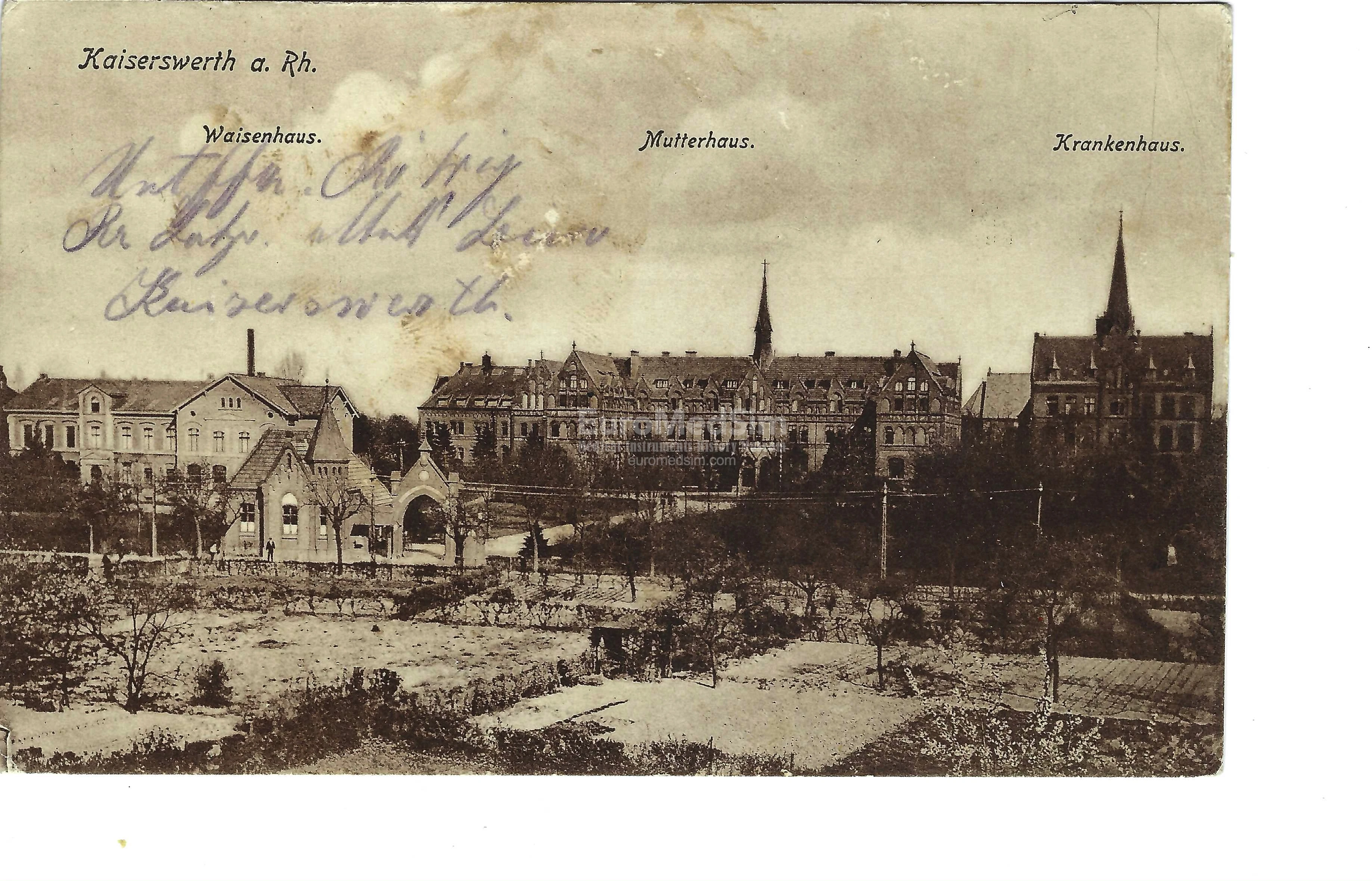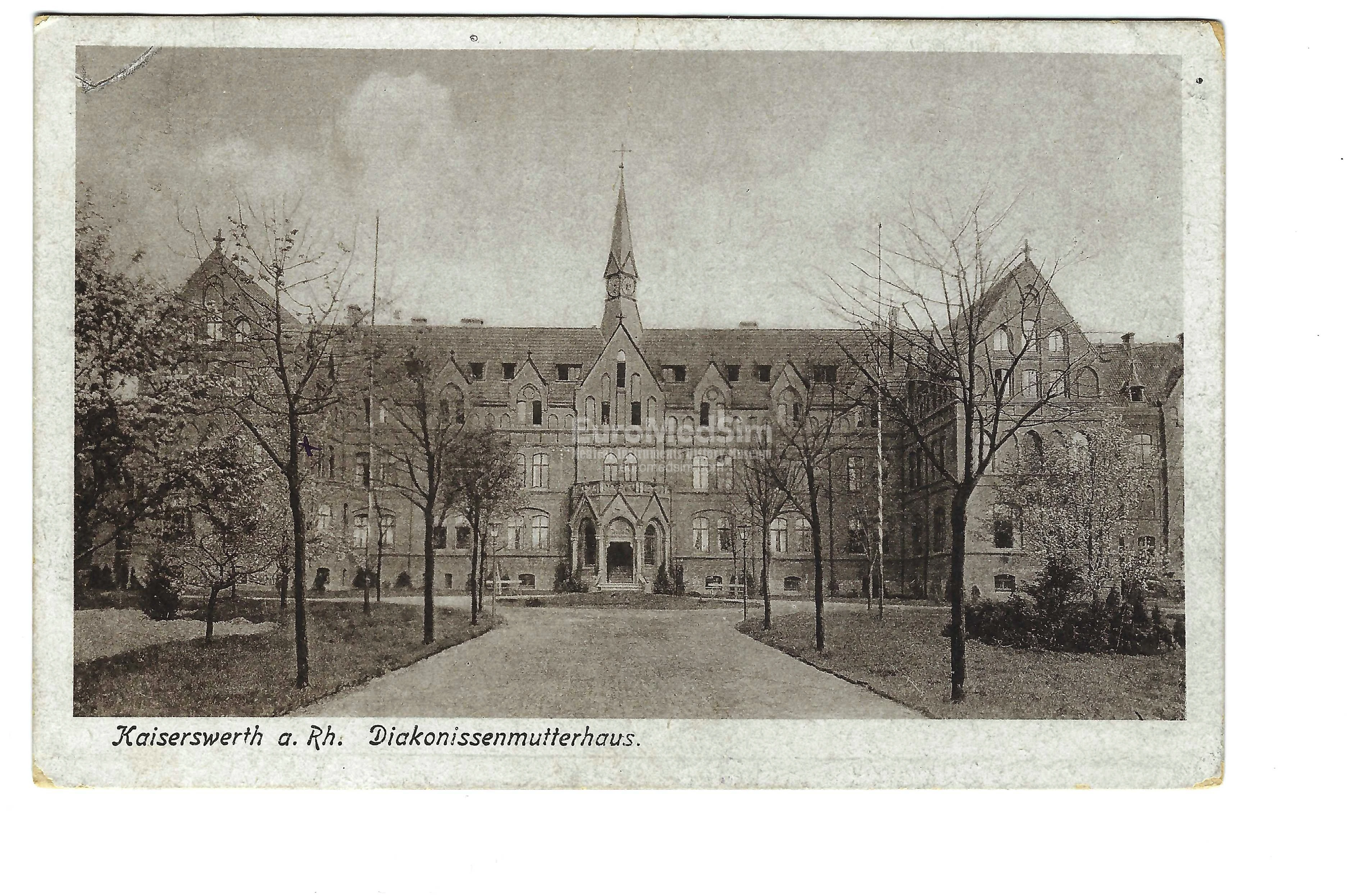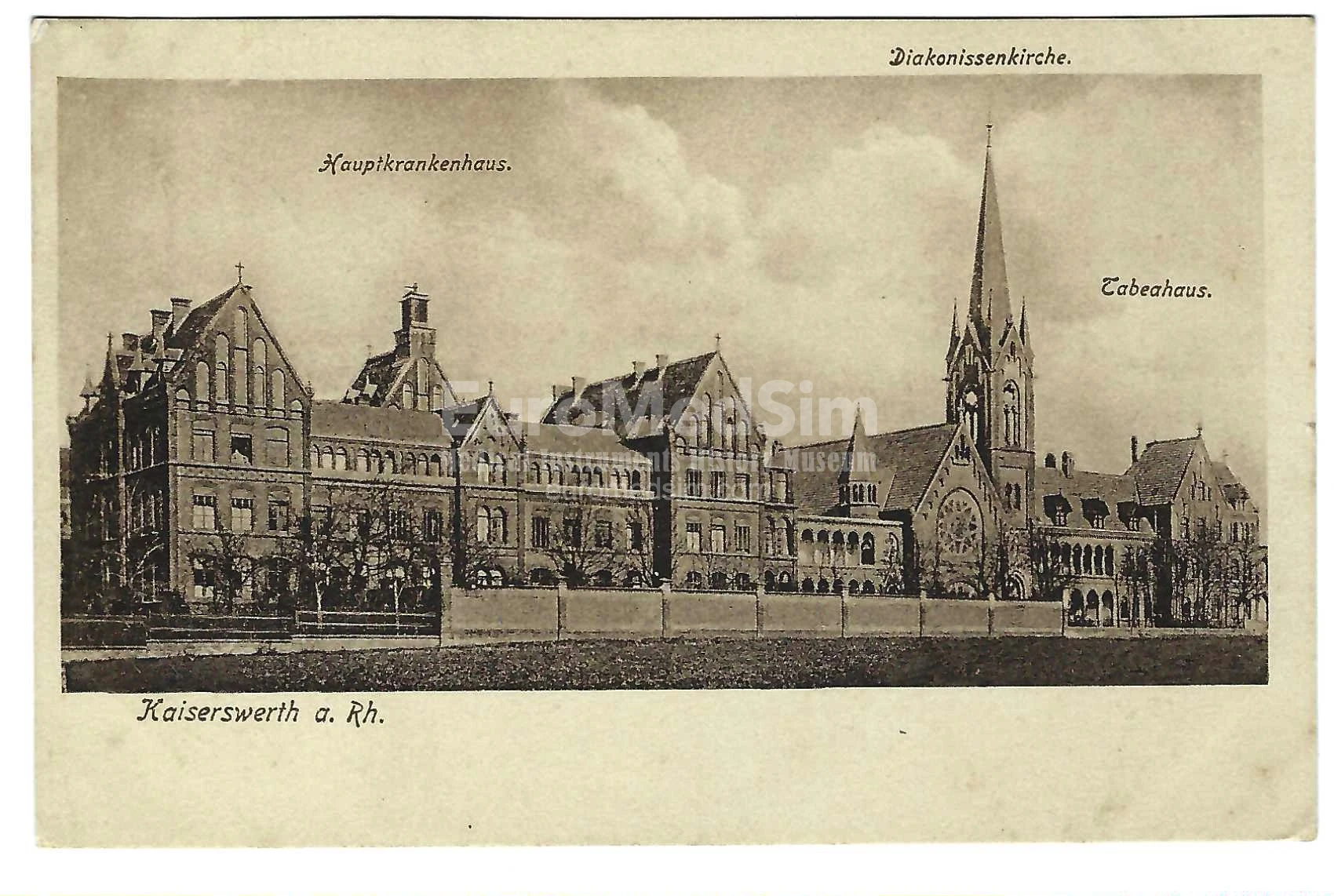
Kaiserswerth a. Rh. Hauptkrankenhaus, Diakonissenkirche, Tabeahaus
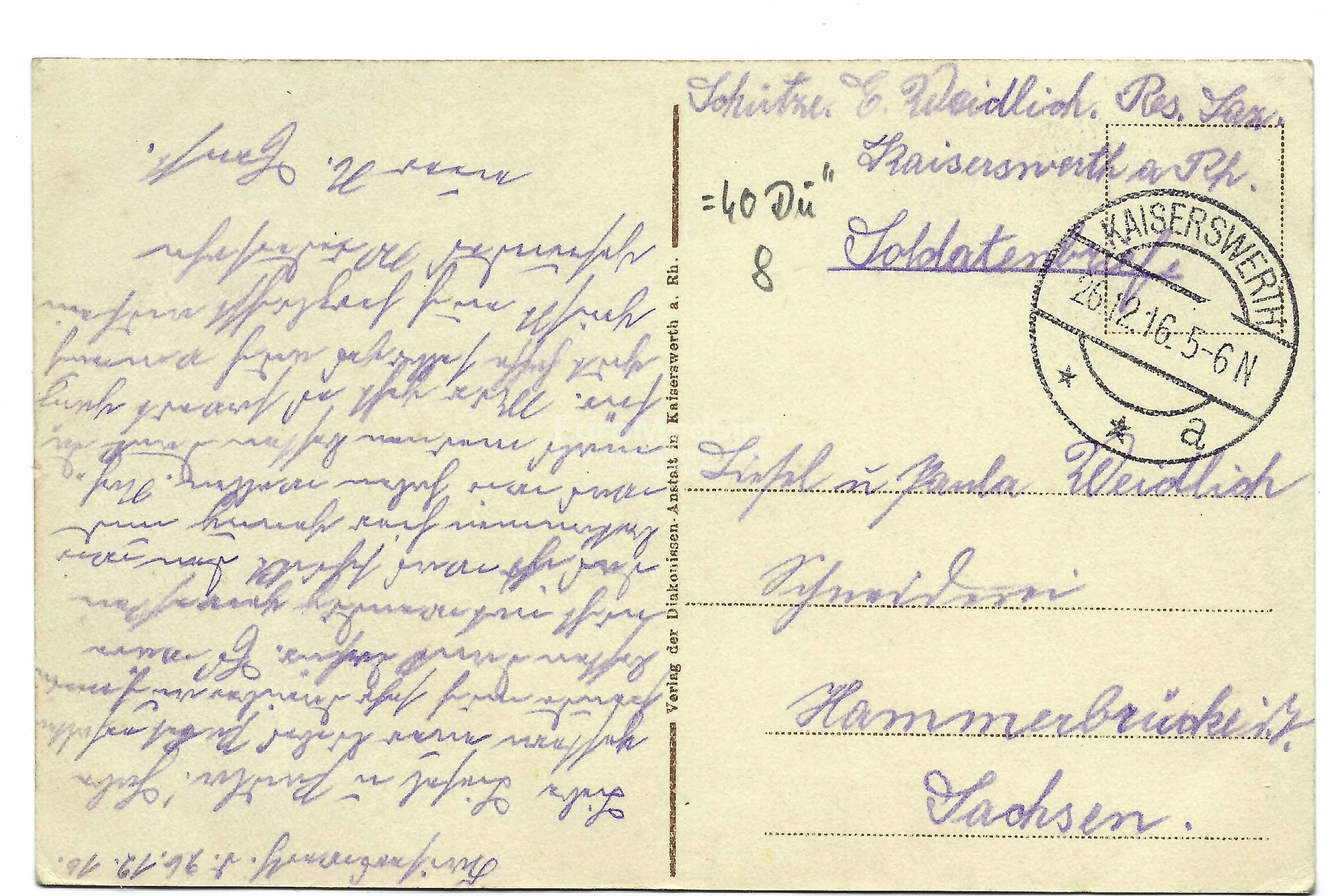
Postcard titled “Kaiserswerth a. Rh. Hauptkrankenhaus, Diakonissenkirche, Tabeahaus." The postcard with a message on the back, cancelled 26.12.1916.
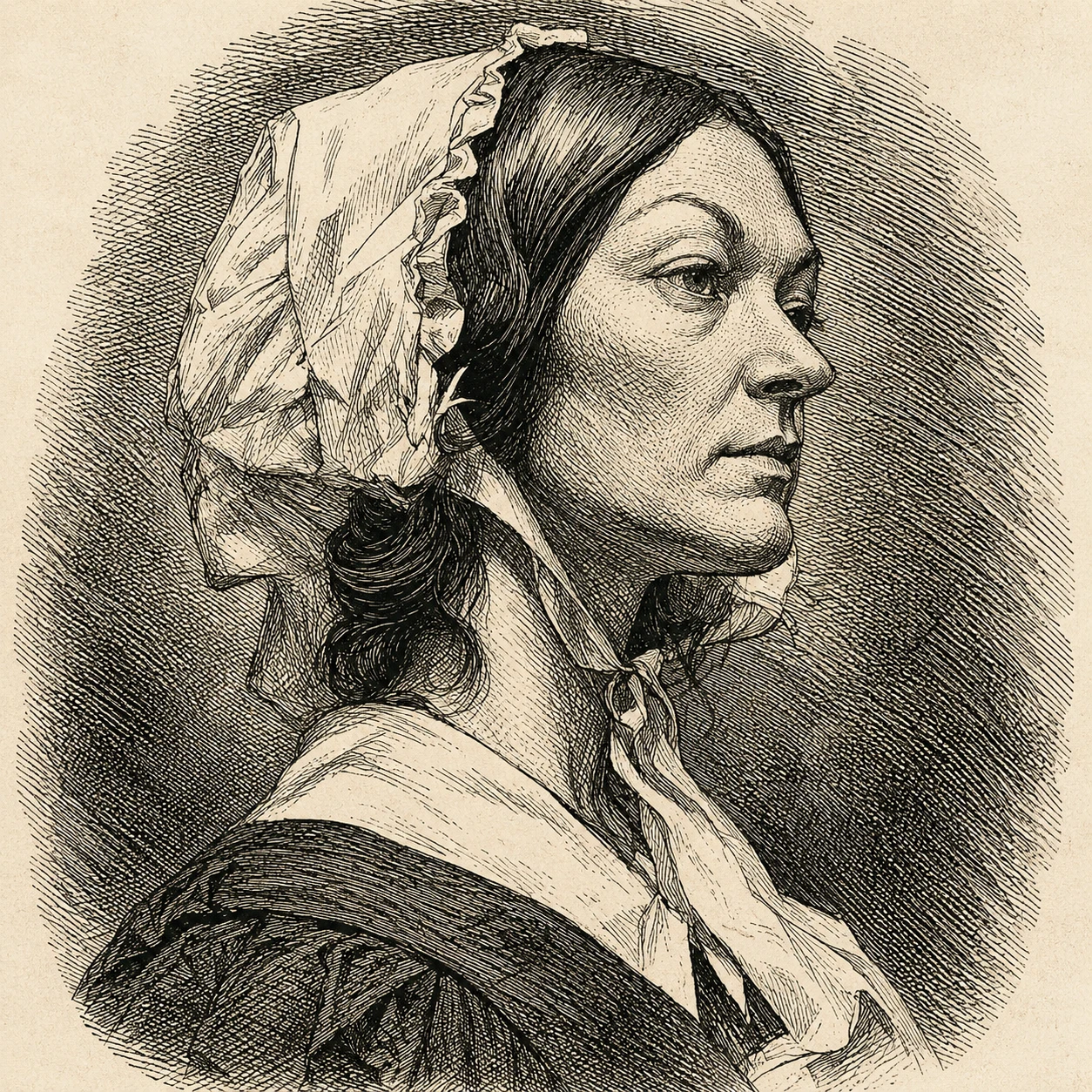
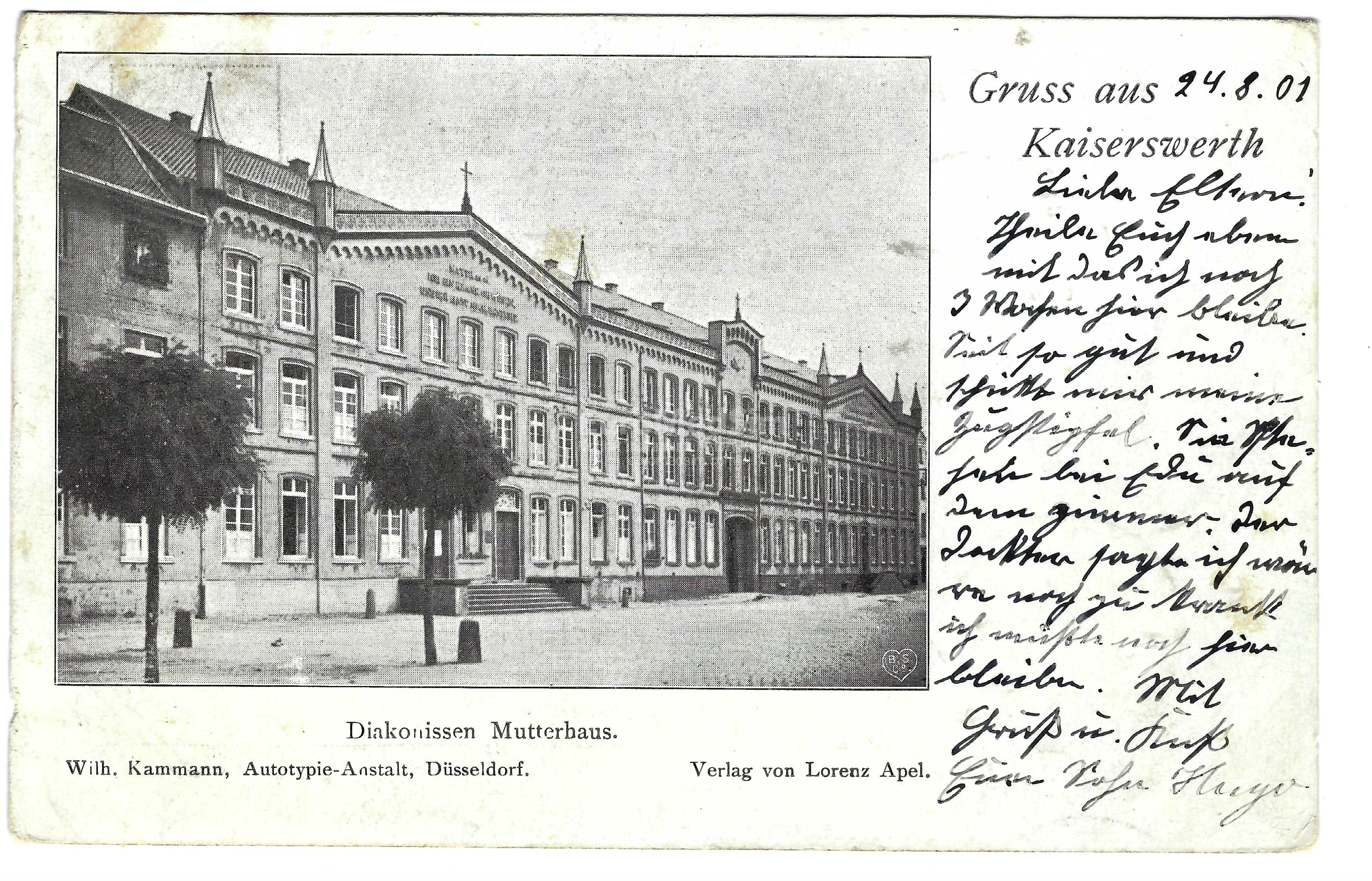
The Kaiserswerth Diaconate, an Evangelical community of sisters of mercy founded in 1836 by Pastor Theodor Fliedner and his wife, Frederieke Fliedner. Starting with the purchase of a single house, the institution quickly grew into a multifunctional complex that included a hospital, a kindergarten, a school for nursery teachers, an orphanage, a correctional facility for women, and a teachers’ seminary. The main house was named “Mutterhaus” (“Mother House”), where the hospital was located and where the deaconesses lived and were trained. Among his most famous students was Florence Nightingale, the founder of nursing in Great Britain. She visited here twice and, in 1851, spent three months gathering material for her first book and developing ideas that would later be put into practice during the Crimean War.
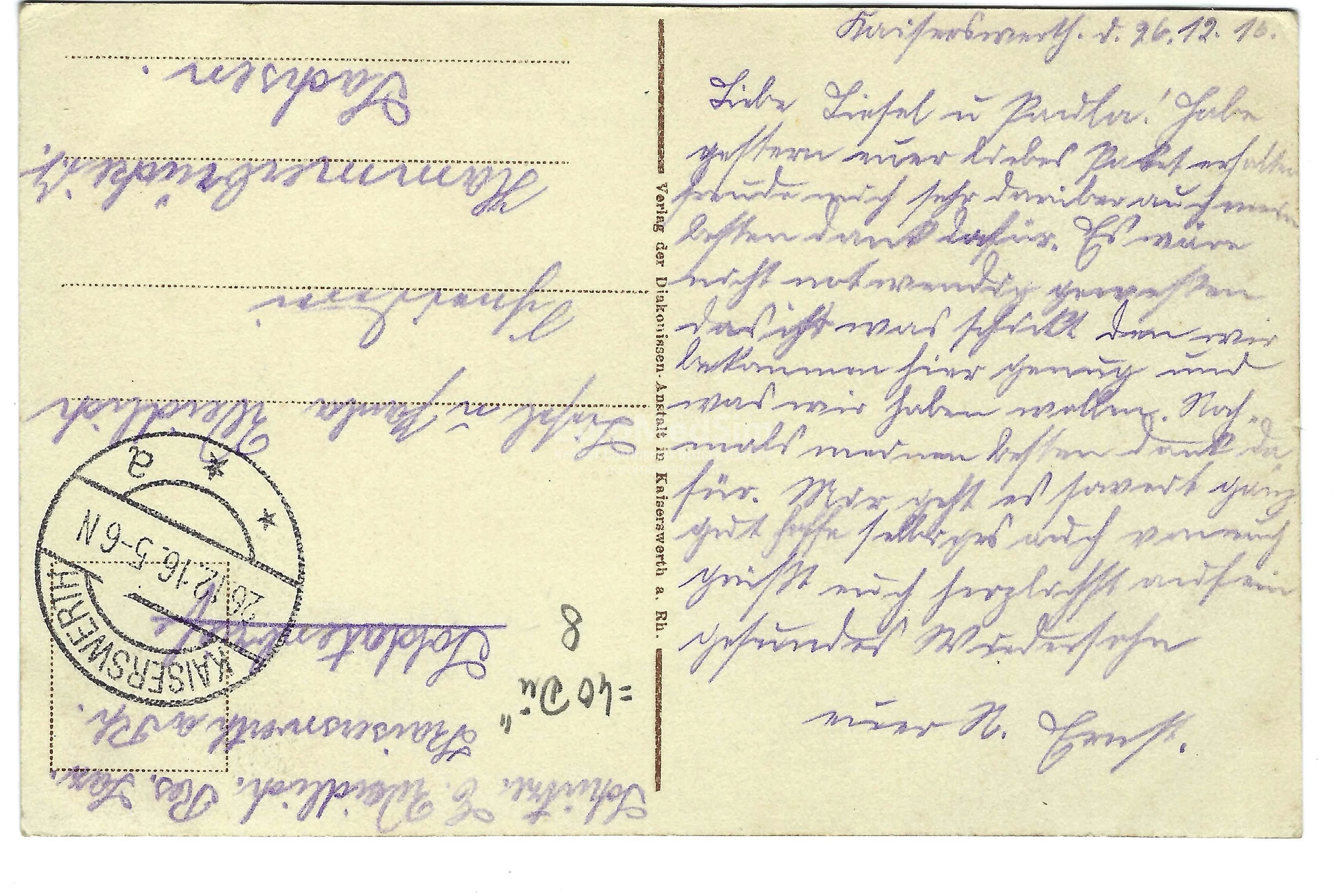
Back Side of the Card
The back side of the postcard bears the handwritten text in a German cursive style from the early 20th century, heavily faded in places. I can make out the main text roughly as follows:
Kaiserswerth, d. 26.12.16.
Liebe Liesl u. Mutter! Habe
gestern einen lieben Weihnachtsbrief
bekommen, [wofür ich sehr dankbar bin].
Besten Dank dafür. Es wäre
nicht notwendig gewesen,
daß ihr mir [etwas] schickt. Denn wir
bekommen hier genug und
was wir haben wollen. Nach-
mittags waren gestern Tante u. Onkel
hier. Mir geht es soweit ganz
gut. Habe Feiertagsdienst und wenig
Zeit. Grüße euch herzlich und auf ein
gesundes Wiedersehen.
Eure E. Weidlich.
Translation:
Kaiserswerth, December 26, 1916.
Dear Lizzie and Mom! Yesterday I received a lovely Christmas letter, for which I am very grateful. Thank you very much. There was no need to send me anything, because here we get enough and everything we need.
Yesterday after lunch, my aunt and uncle were here. Everything is going quite well for me so far. I’m on duty during the holidays, so I don’t have much time. I send you my warmest regards—until we meet again, safe and sound.
Yours, E. Weidlich.
The address side appears to read:
Frl. Liesl u. Mutter Weidlich
Ziegelei [?]
Hammerbrücke
Saxony
The return address, written upside down:
Schwester E. Weidlich
Res. Laz. (Reservelazarett, reserve hospital)
Kaiserswerth a/Rh. (Kaiserswerth on the Rhine)
Soldatenbrief (Soldier's Letter)
No Stamp
Thus, the author was most likely Nurse E. Weidlich, who served at the Kaiserswerth Reserve Military Hospital. The postmark is dated December 28, 1916. The inscription Soldatenbrief (“soldier’s letter”) explains the absence of a postage stamp. In the German Empire during World War I, military personnel and staff of military institutions—including nurses at reserve field hospitals—were allowed to send personal correspondence free of charge. To do so, they had to indicate their military status and the sender’s place of service on the postcard. The postcard was sent from a reserve military hospital in Kaiserswerth in December 1916, which is why it bears a standard postmark from the city post office, but no stamp was required.