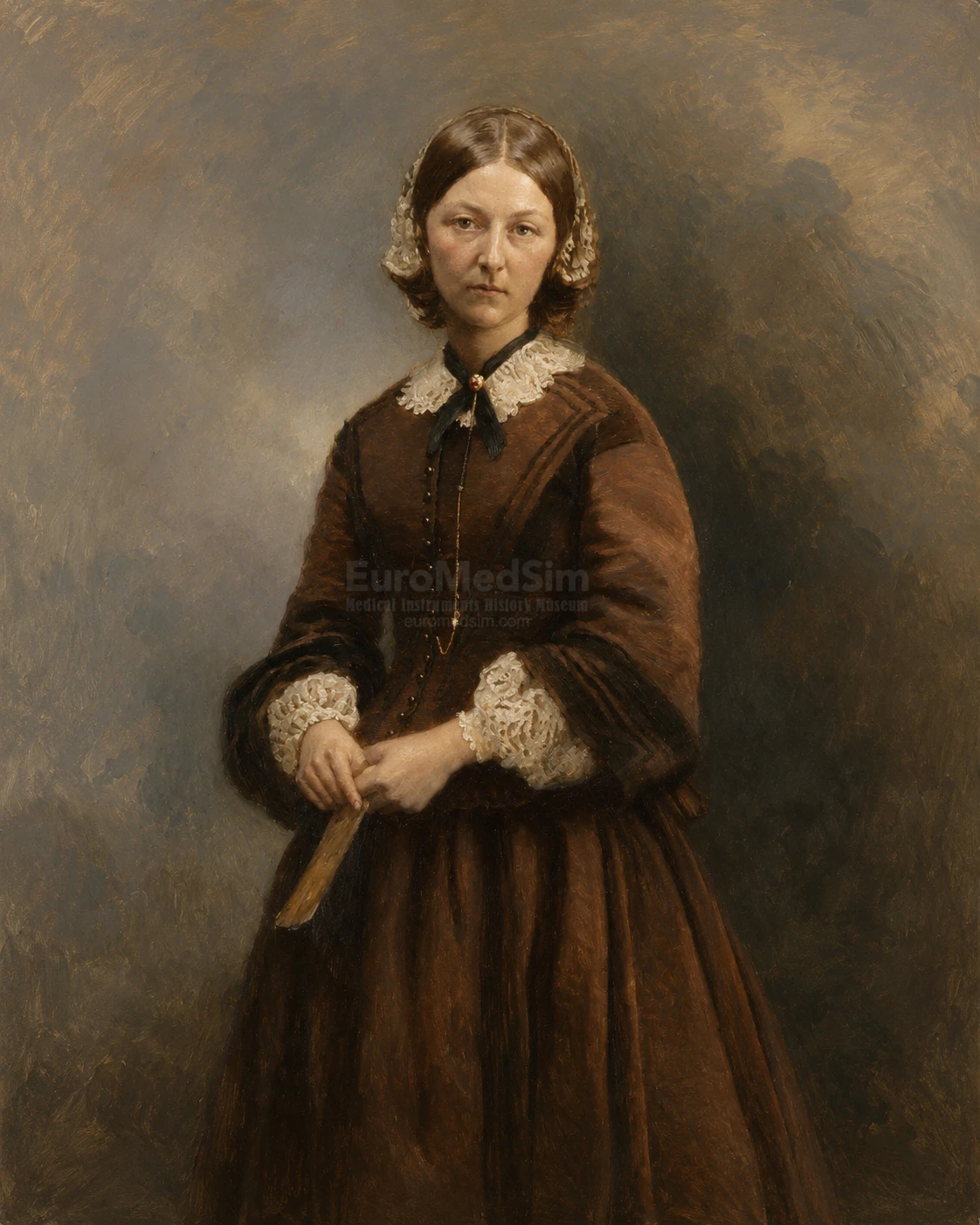

Nightingale, Florence
The Lady with the Lamp: Florence Nightingale and the Birth of Modern Nursing in Great Britain
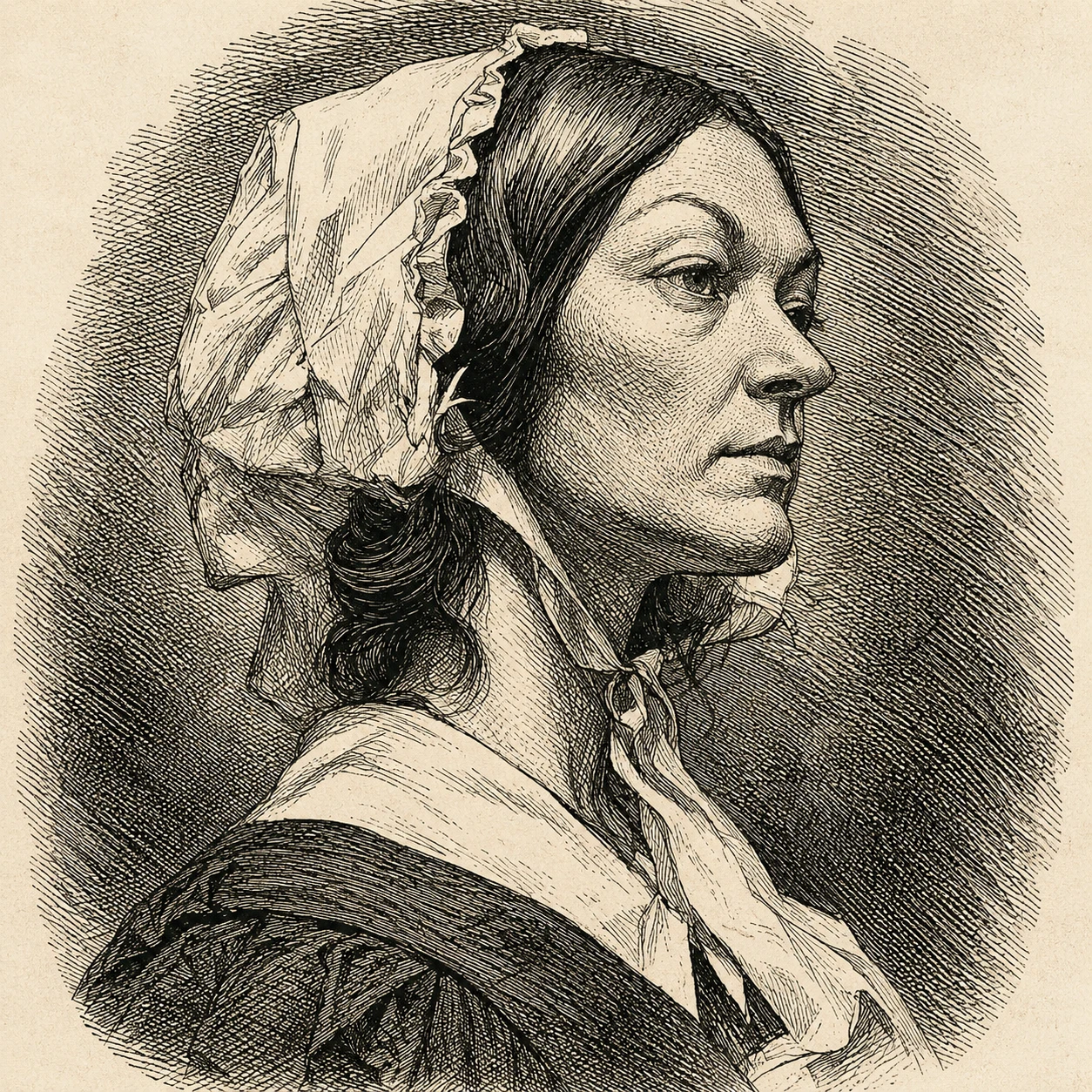
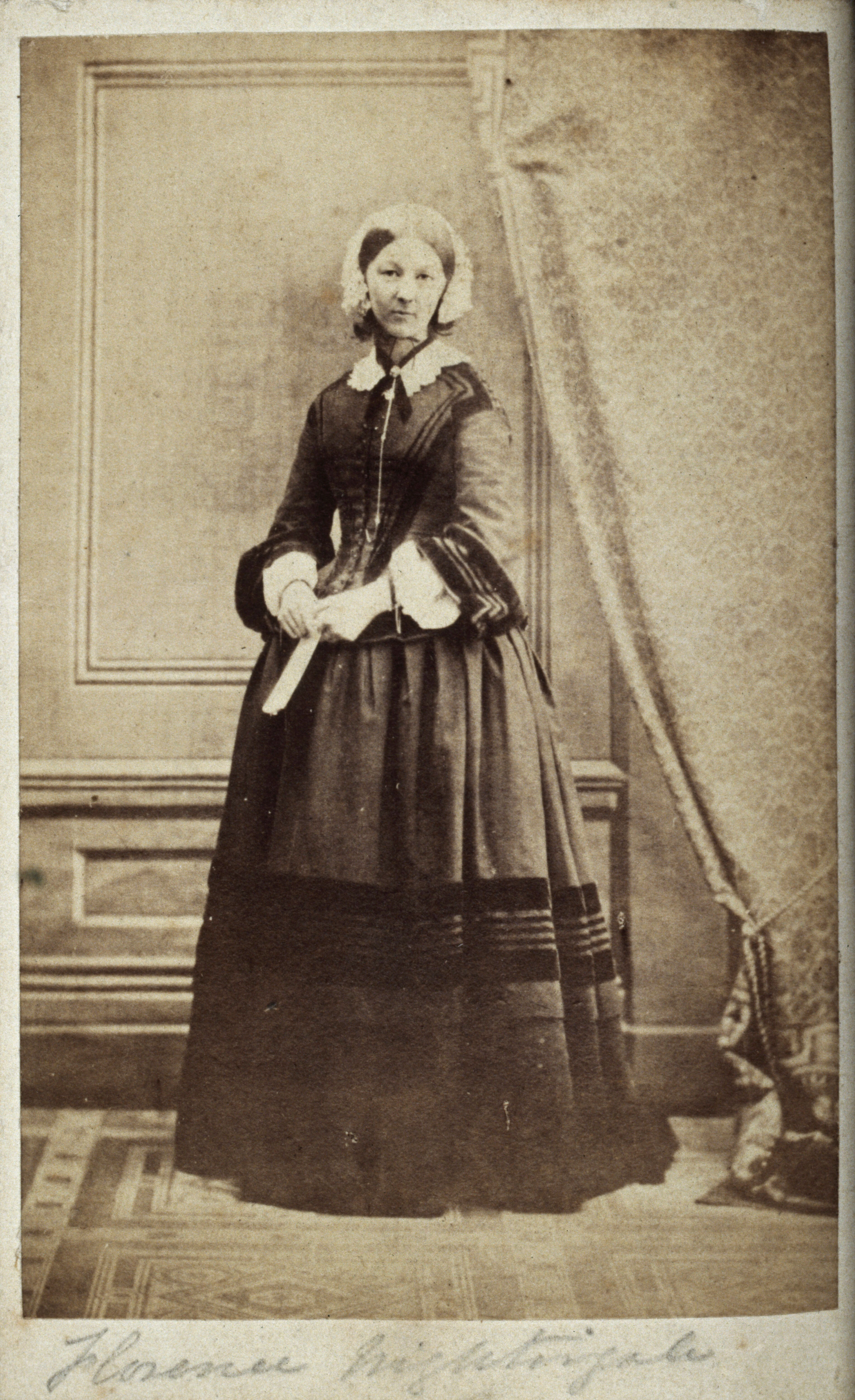
Florence Nightingale (1820–1910) is remembered as the founder of modern nursing in Great Britain and a pioneering healthcare reformer whose influence reshaped medicine in the 19th century and beyond. Her legacy, preserved at the Florence Nightingale Museum in London and commemorated by the annual International Nurses Day, celebrated on her birthday, extends far beyond her organisational talents, which made her one of the most outstanding women of the Victorian era.
Early Life and Calling
Born into a wealthy British family in Florence, Italy, Nightingale was named after the city of her birth. From an early age, she demonstrated remarkable intellectual curiosity, excelling in mathematics and languages under her father's tutelage. At 16, she experienced what she understood as a divine calling to reduce human suffering. Nursing, however, was considered an unsuitable profession for a woman of her social standing, associated with poor, often elderly women of questionable reputation. In England at that time, she did not yet have socially acceptable or professionally recognized opportunities to gain a deeper understanding of nursing—such institutions simply did not exist. Therefore, her attention turned to the European continent. She learned about the work of the Kaiserswerth Institute for Deaconesses from the Prussian ambassador to London, Baron Christian von Bunsen (1791–1860), whom she met in London in 1842. He had a significant influence on her future development, as he not only introduced her to German philosophers but also supported her desire to devote herself to caring for the sick.
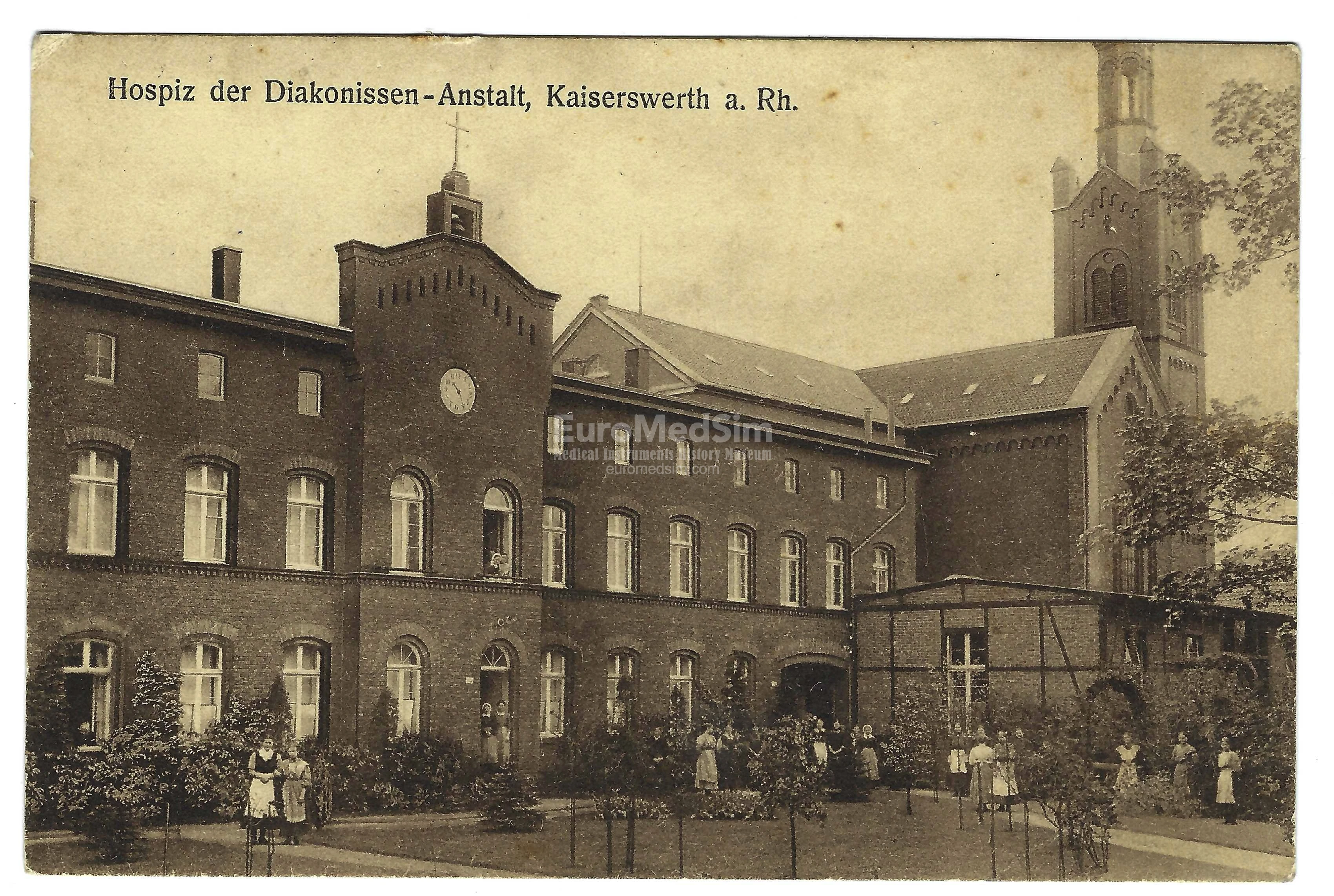
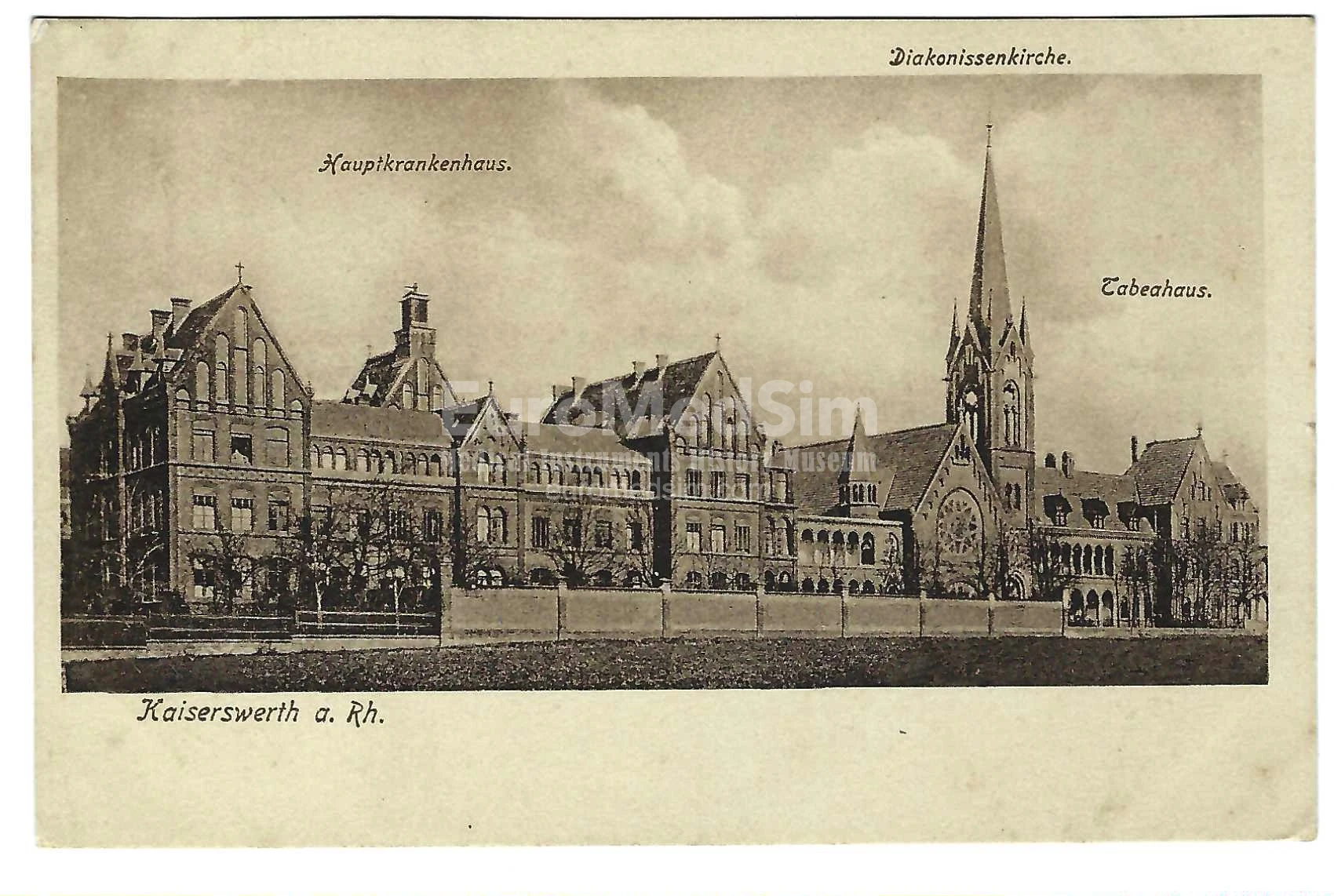
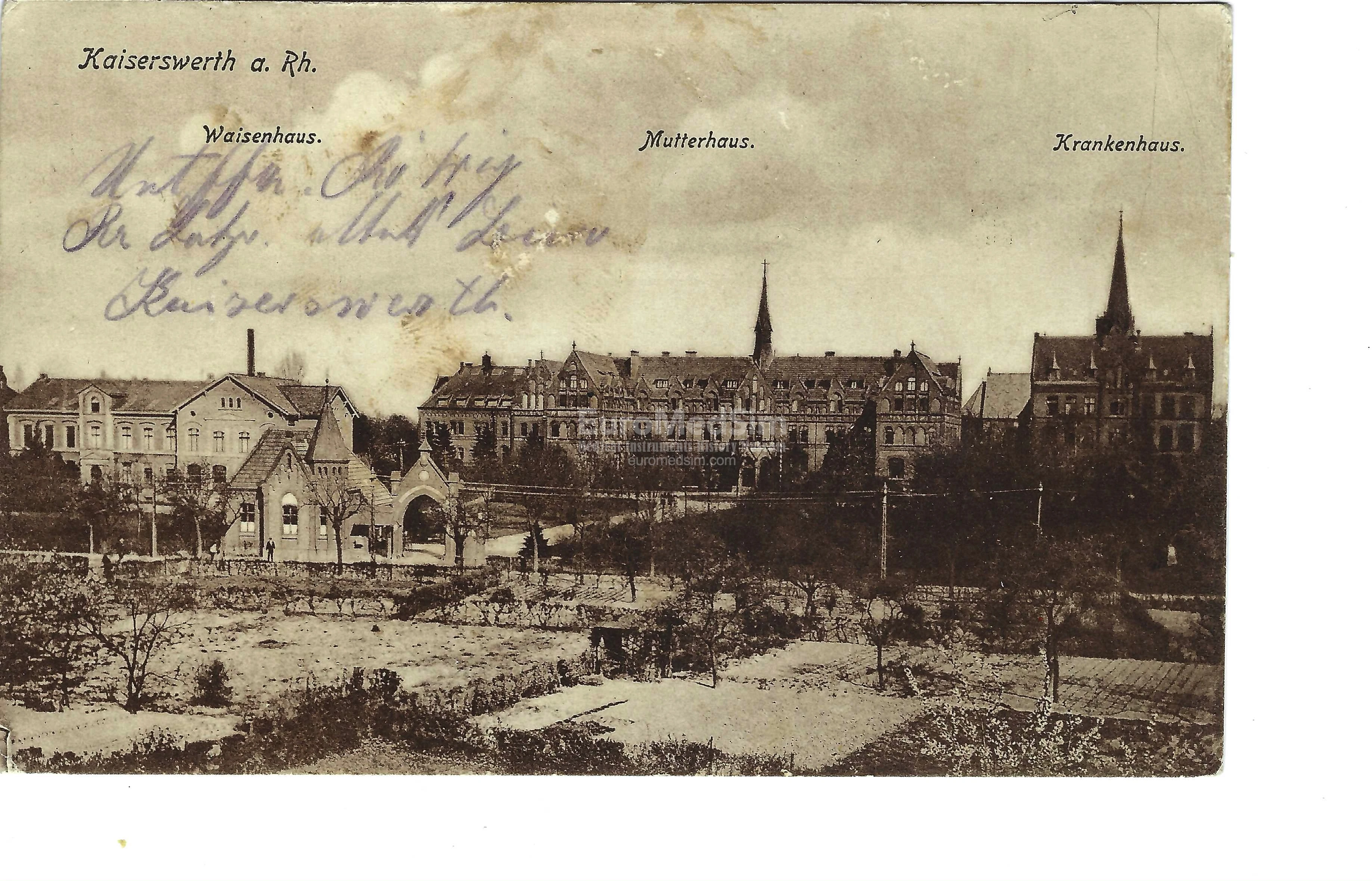
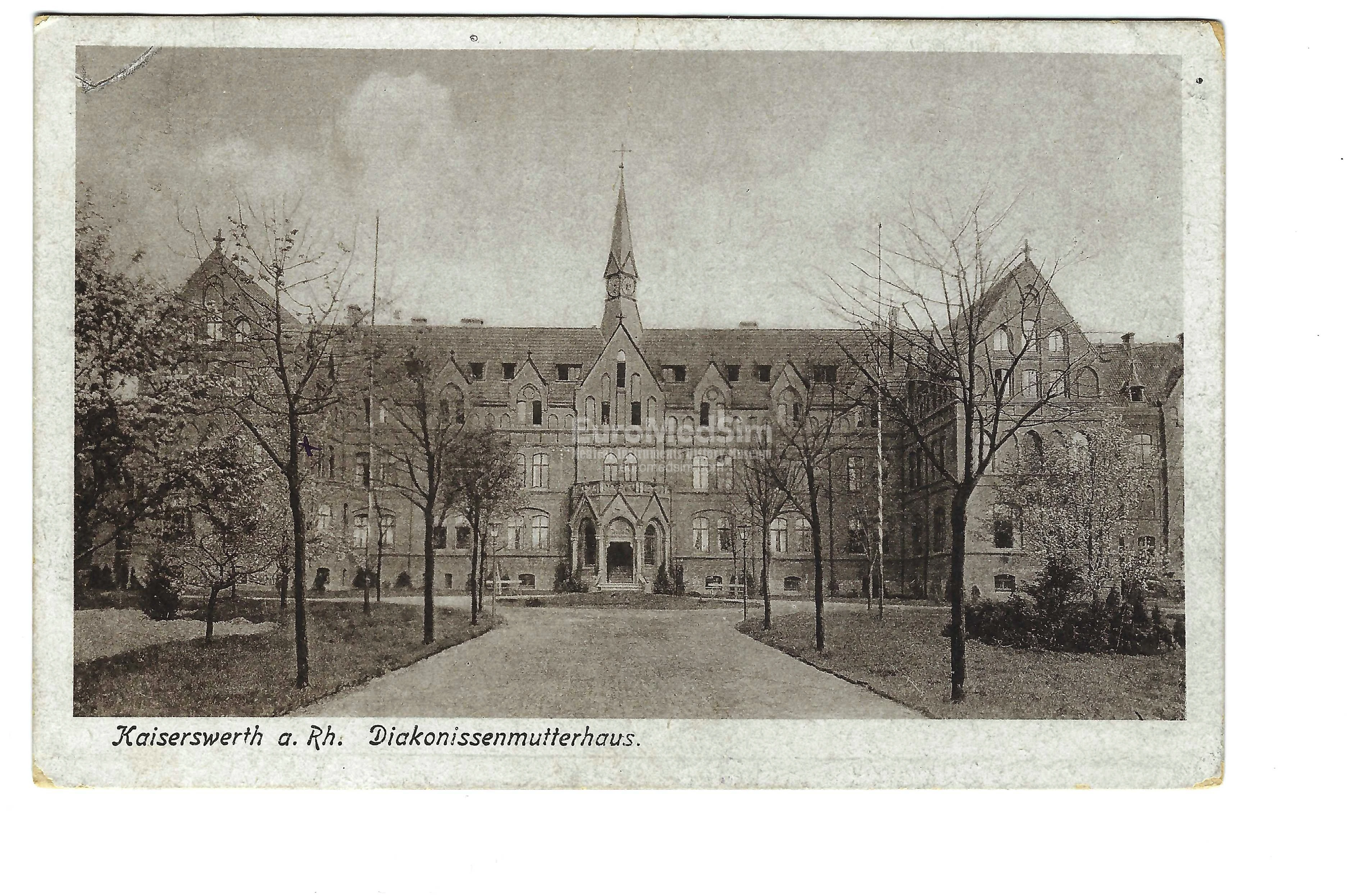
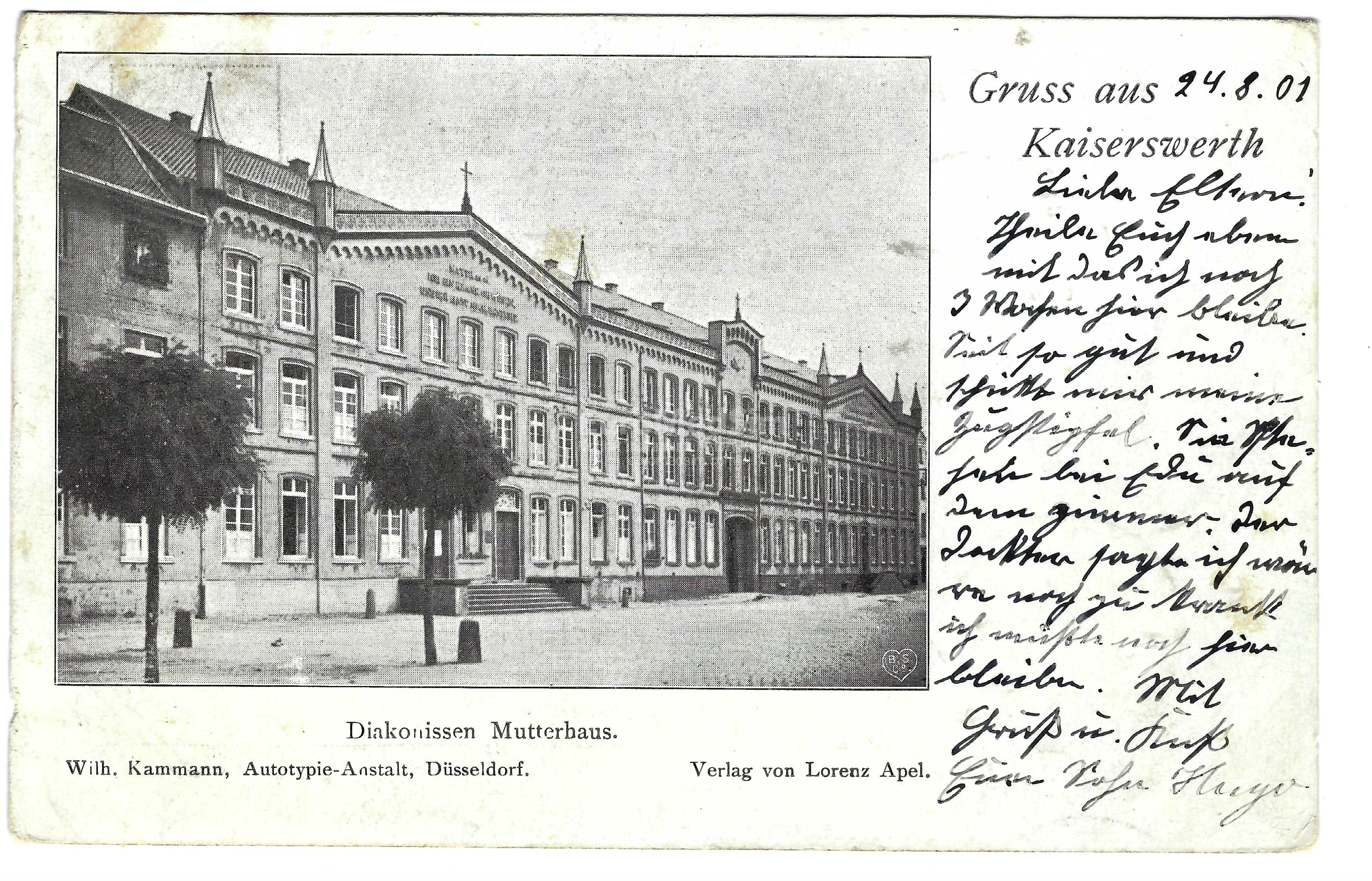
Nightingale first spent two weeks in Kaiserswerth in 1850 (from July 31 to August 13). Her visit was not marked by anything remarkable—she was among the many foreign women, mostly English, who came to the fledgling deaconess home to observe the work and learn. She lived in the parish house and spent two or three days at a time in various departments—the hospital, the orphanage, and the school. The institution, founded only in 1836, suffered constantly from financial problems and was still in its formative stages at that time. Nightingale still had no experience in nursing, and she was apparently particularly repelled by the sight of naked bodies. Nightingale befriended some of the deaconesses, particularly Luise Fliedner (1830–1916), the daughter of a pastor, with whom she corresponded in French. Leaving the Institute, she wrote that day in her diary: "Left Kaiserswerth, feeling so brave as if nothing could ever vex me again."
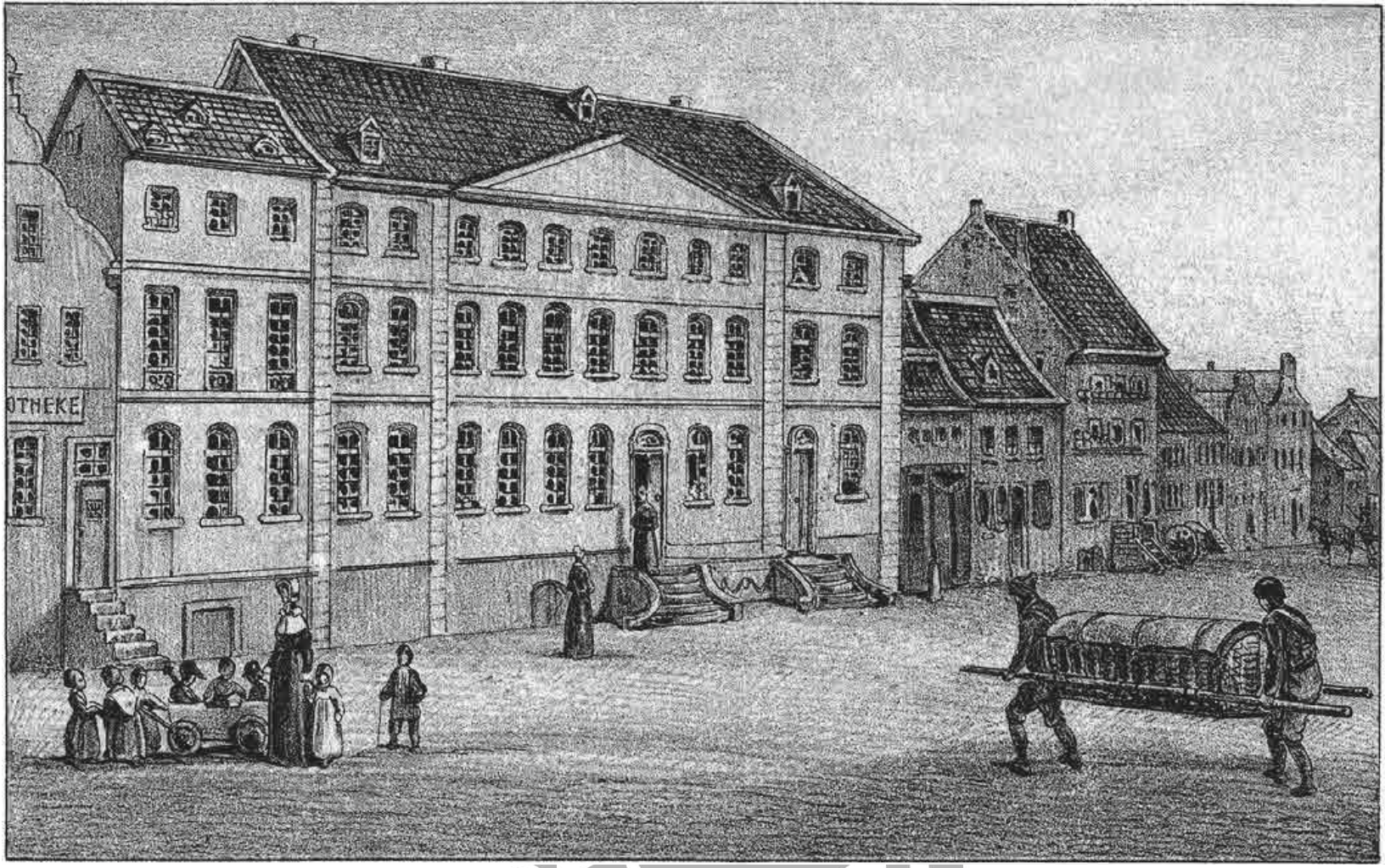
The Main building of the Kaiserswerth Deaconess Institute in 1850 — in the time of Nightingale\s visit. It housed both the teaching hospital and the motherhouse, the home of the sisterhood. Source: Fliedner Cultural Foundation Kaiserswerth, article by Annett Büttner.
Back in London Nightingale wrote her first published book, describing in details her impressions: The institution of Kaiserswerth on the Rhine, for the practical training of deaconesses, under the direction of the Rev. Pastor Fliedner, embracing the support and care of a hospital, infant and industrial schools, and a female penitentiary (London, 1851) Full-text link.
Upon returning to her family, she found herself subject to the same restrictions as before she set out on her journey. Her sister Parthenope, who was in a very unstable mental state, missed her so much that Florence was now forced to devote six months entirely to her, while her mother and sister insisted on their categorical opposition to Florence caring for the sick. This forced inactivity eventually plunged Florence Nightingale into a deep depression in late 1850, which led to a desire to die. Shortly thereafter, she recalled her first stay in Kaiserswerth in her diary with genuine euphoria: “I have never known a happy time, except at Rome and that fortnight at Kaiserswerth” (07.01.1851).
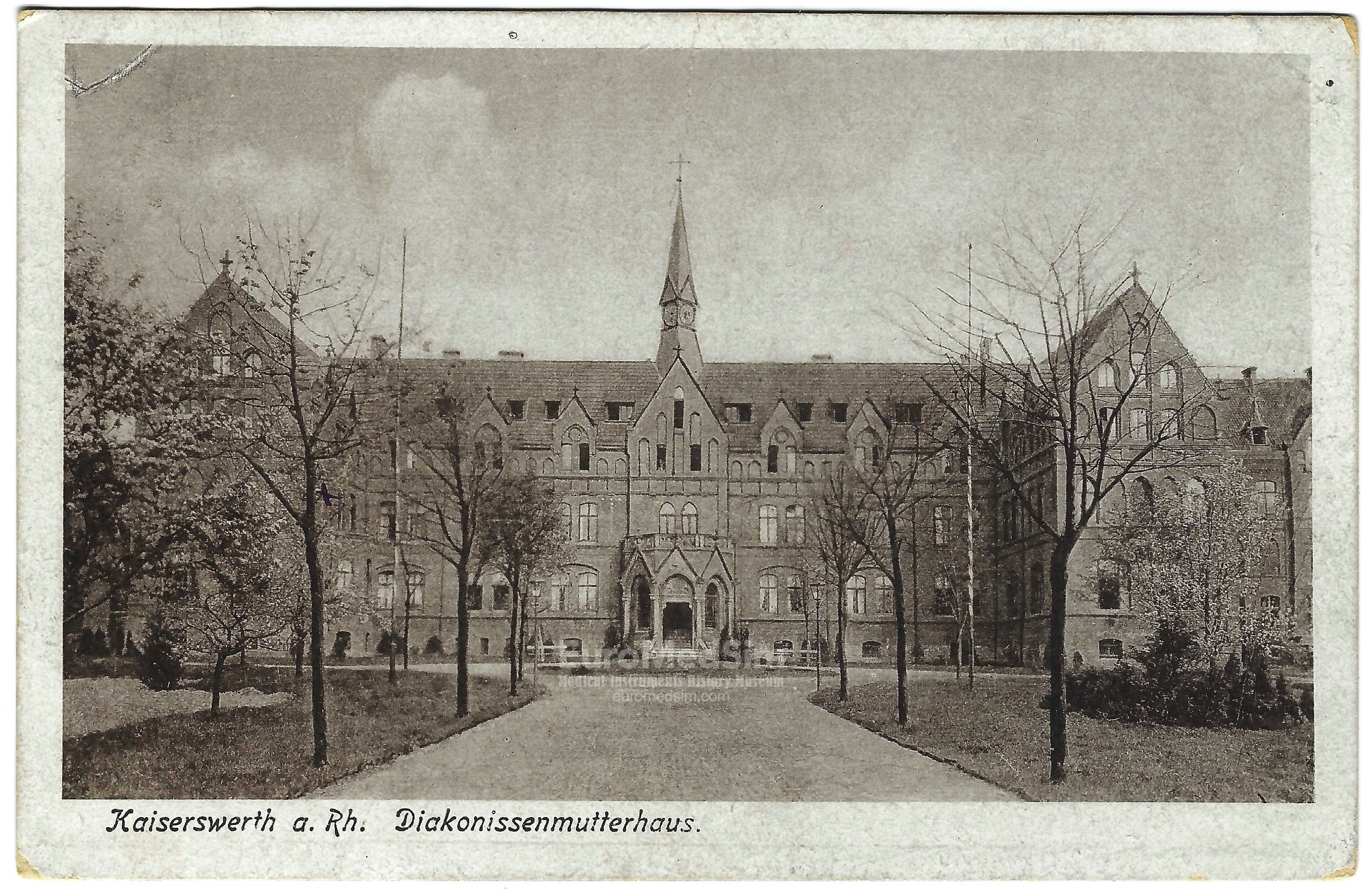
The Diaconate Institution in the Kaiserswerth on the Rhine, Germany. Postcard, 1918. Source: EuroMedSim
Nightingale’s second stay in Kaiserswerth lasted from July 6, 1851, to October 7, 1851. And, as recorded in the Archiv der Kaiserswerther Diakonie: “ ‘She would have liked to become a nurse, but was forced to return because of her mother and is currently the director of a hospital for foreign governesses in London.’ Even as the author of the book The Kaiserswerth Institute, Nightingale, in accordance with her own wishes, did not enjoy any special status and adhered to a strictly regulated daily schedule that began at 5:00 a.m., consisted of work, and included four ten-minute Spartan meals spread throughout the day. She later wrote that this meager diet at the Flidner House would not have been enough to feed even a cleaning lady in London hospitals. Meat was served twice a week; the rest of the time, the meals consisted mainly of vegetable soups with bread. She observed the work and worked in all the hospital wards and other departments of the institution, including the orphanage, the teachers’ seminary, and the shelter for convicted women released from custody. Of great importance to the development of her own understanding of nursing were the washing and dressing of patients, her day and night shifts with the dying, and her attendance at the daily rounds of a doctor who was not a full-time employee of the hospital but served there alongside his private practice.
Florence also attended surgeries—amputations and other postoperative care procedures—and she transcribed training manuals and operational guidelines for various areas of activity, such as the kitchen and laundry. At Kaiserswerth, Nightingale seemed to have achieved the goal of her long-standing aspirations; she flourished despite her extremely spartan lifestyle and finally found meaning in her life. Her mother subsequently tried to show understanding for Florence’s inclinations, whereas her sister Parthenope greeted her coldly upon her return and attributed her persistent malaise during treatment to the anxiety caused by Florence’s stay in Kaiserswerth. Already after her first stay in Kaiserswerth, Nightingale described Pastor Fliedner quite soberly: “He is a man of a thousand talents, not affable, not interesting, but if you can imagine Napoleon having devoted all his gifts to God, without Napoleonic vanity—that is Fliedner’s character.” He runs this enormous institution with remarkable organizational skill. Later, she saw his greatest strength primarily in his pedagogical work: “All things being equal, of all the men I have ever known, he was the most entertaining and the most inspiring in his interactions with children. Education, not hospitals, was his forte.” In Kaiserswerth, Nightingale received crucial inspiration for her future work and became fully convinced of her calling to care for the sick.
The Crimean War and the "Lady with the Lamp"
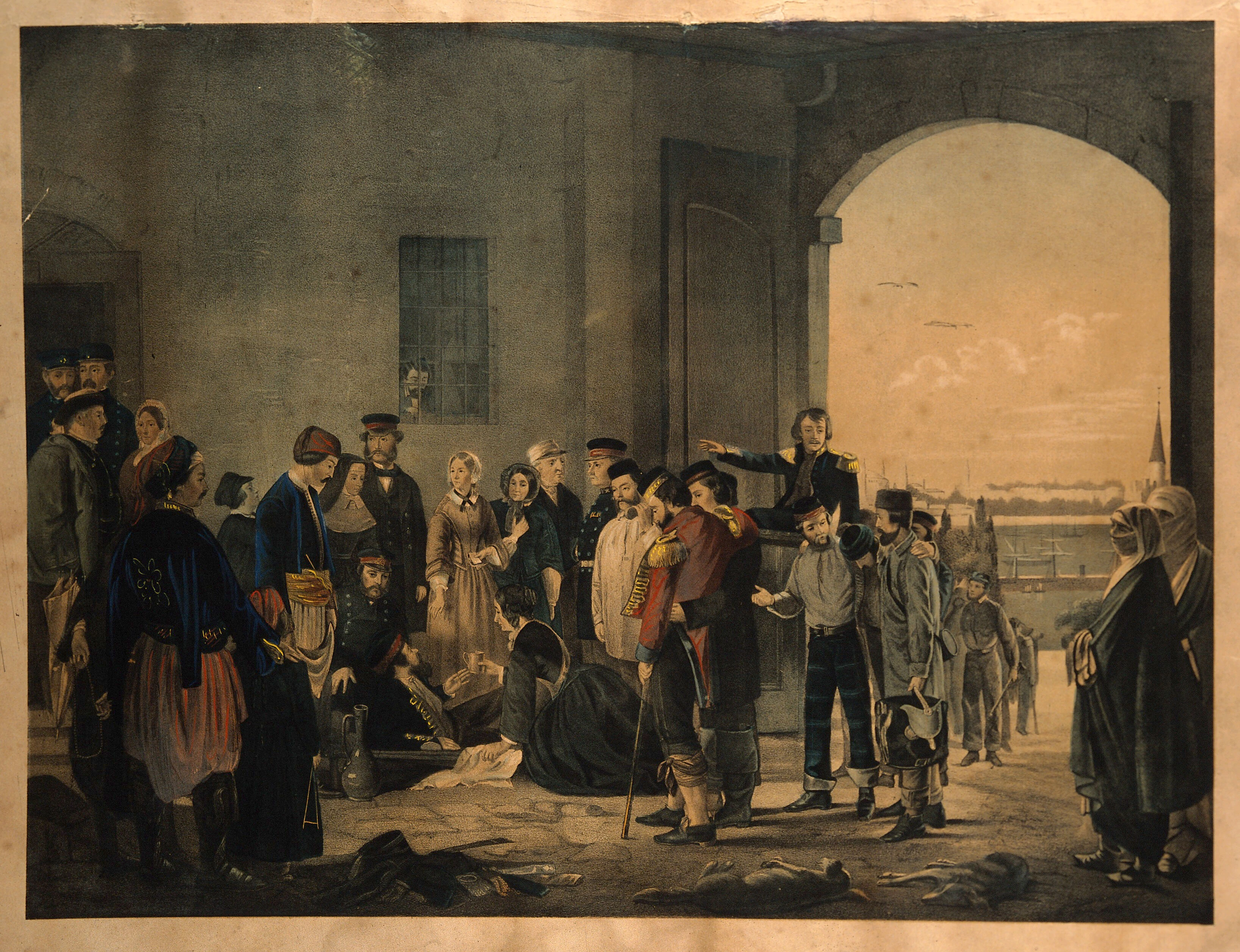
Florence Nightingale became known throughout the world primarily for her work during the Crimean War, in which Russia fought against an alliance of France, England, Turkey, and Sardinia-Piedmont from 1854 to 1856. Nightingale's defining moment came in 1854, when reports of appalling conditions for British soldiers fighting the Crimean War reached London. Secretary of War Sidney Herbert requested that Nightingale lead a team of 38 nurses to the military hospital at Scutari (today Üsküdar, part of Istanbul, Türkey). Arriving in November 1854, she found a "Kingdom of Hell": overcrowded wards, filth, inadequate supplies, and rampant infection . Ten times more soldiers died from diseases such as typhus, cholera, and dysentery than from battle wounds.
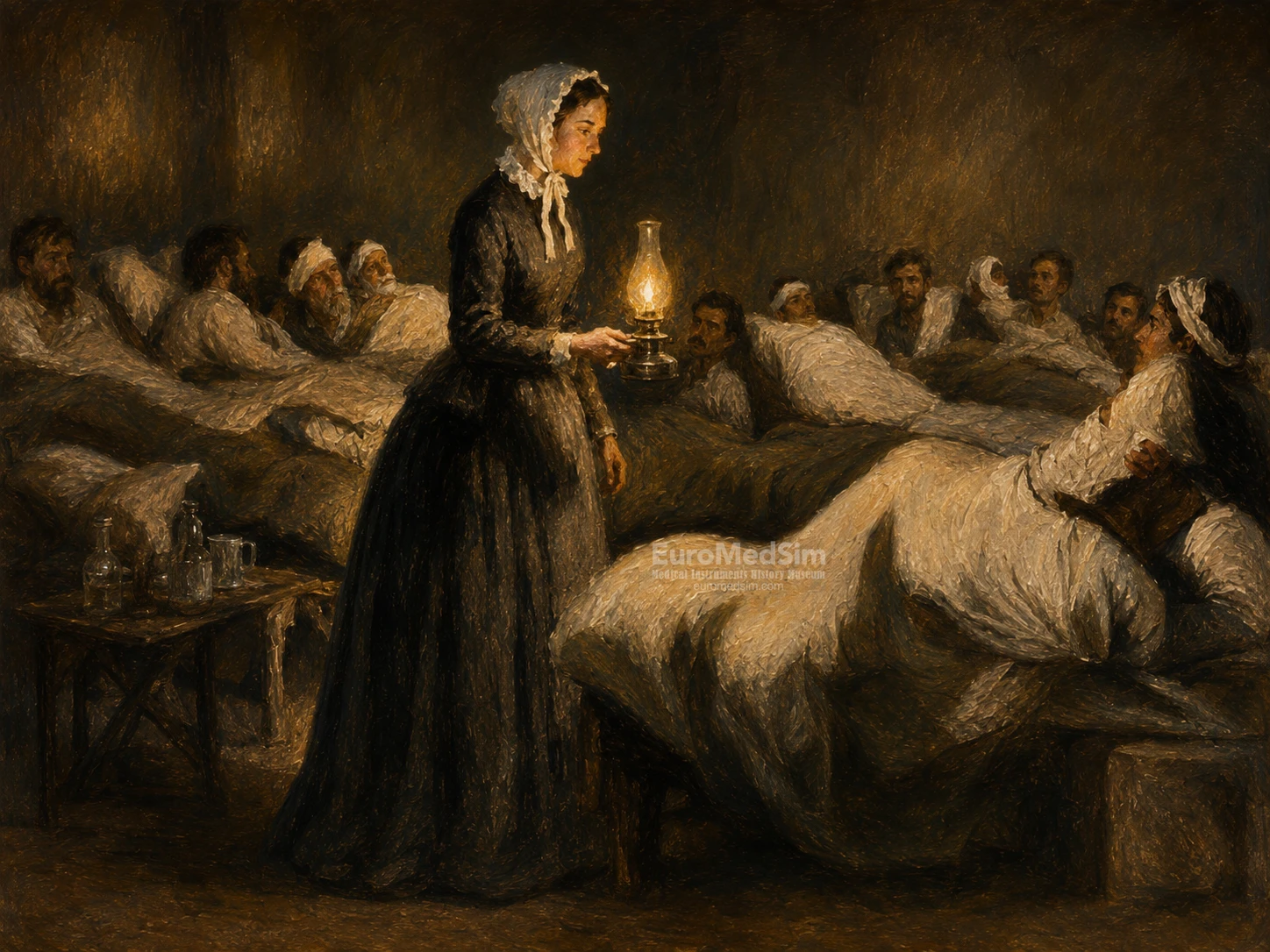
Today this seems inconceivable to us, but of the nearly 100,000 British soldiers who took part in the war, only 2,000 were killed directly on the battlefield, and 1,800 died later from their wounds. However, 17,600 people died from a wide variety of infectious diseases. Since field hospitals had not been transported to this side, the sick and wounded were transported aboard poorly equipped ships to a base near the Bosphorus. Infectious and vitamin-deficiency diseases, such as cholera, typhoid fever, and scurvy, became widespread. It was thanks to Florence Nightingale’s influence that field hospitals were set up in the Crimea and the Bosporus region and acceptable sanitary conditions were established. The mortality rate among sick soldiers fell from 25% in the winter of 1854–1855 to 2.21% in the following months. She achieved this primarily thanks to her high public standing, her personal acquaintance with War Minister Herbert, and the humanitarian aid provided to her through donations. She took on the role of “head nurse” herself, wrote letters to the soldiers’ families, and visited them at night, lamp in hand. Thus, she went down in the history of military medicine as “The Lady with the Lamp.”
Pioneer of Medical Statistics
Less well known is Nightingale's role as a pioneering statistician. She was the first female member of the Royal Statistical Society and an honorary member of the American Statistical Association She developed the "polar area diagram" (a type of coxcomb chart) to visualise mortality data and demonstrate the impact of poor sanitation on soldier deaths. Her meticulous statistical analysis, presented to the Royal Commission on the Health of the Army, catalysed major reforms in military medical care.
Founding Modern Nursing Education
Her 1859 publication Notes on Nursing: What It Is and What It Is Not became a foundational text — the first textbook on nursing written by a woman, and is thus considered the founder of the science of nursing. Alongside medical knowledge, a distinct, theoretically grounded body of specialized knowledge in the field of nursing had now emerged.
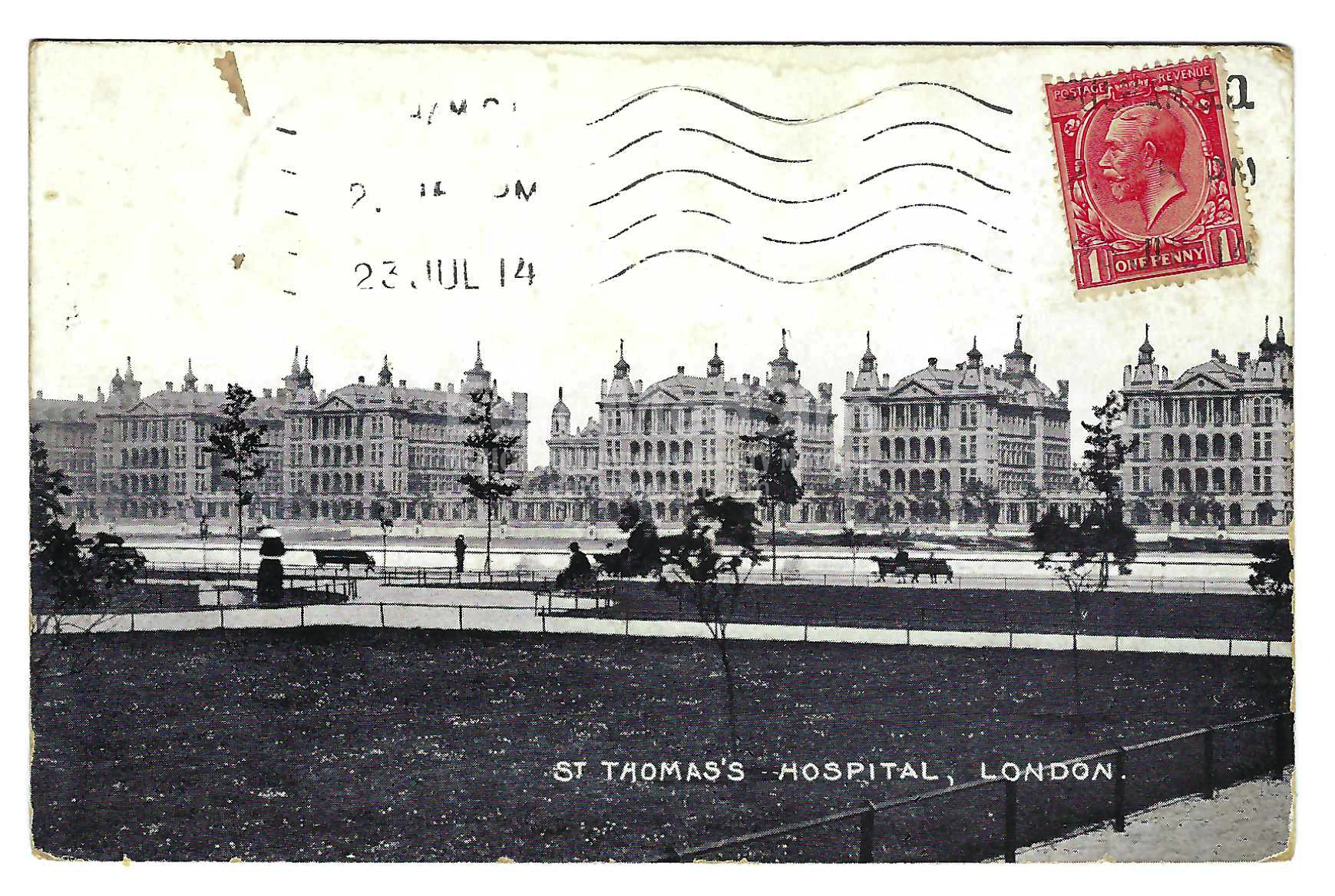
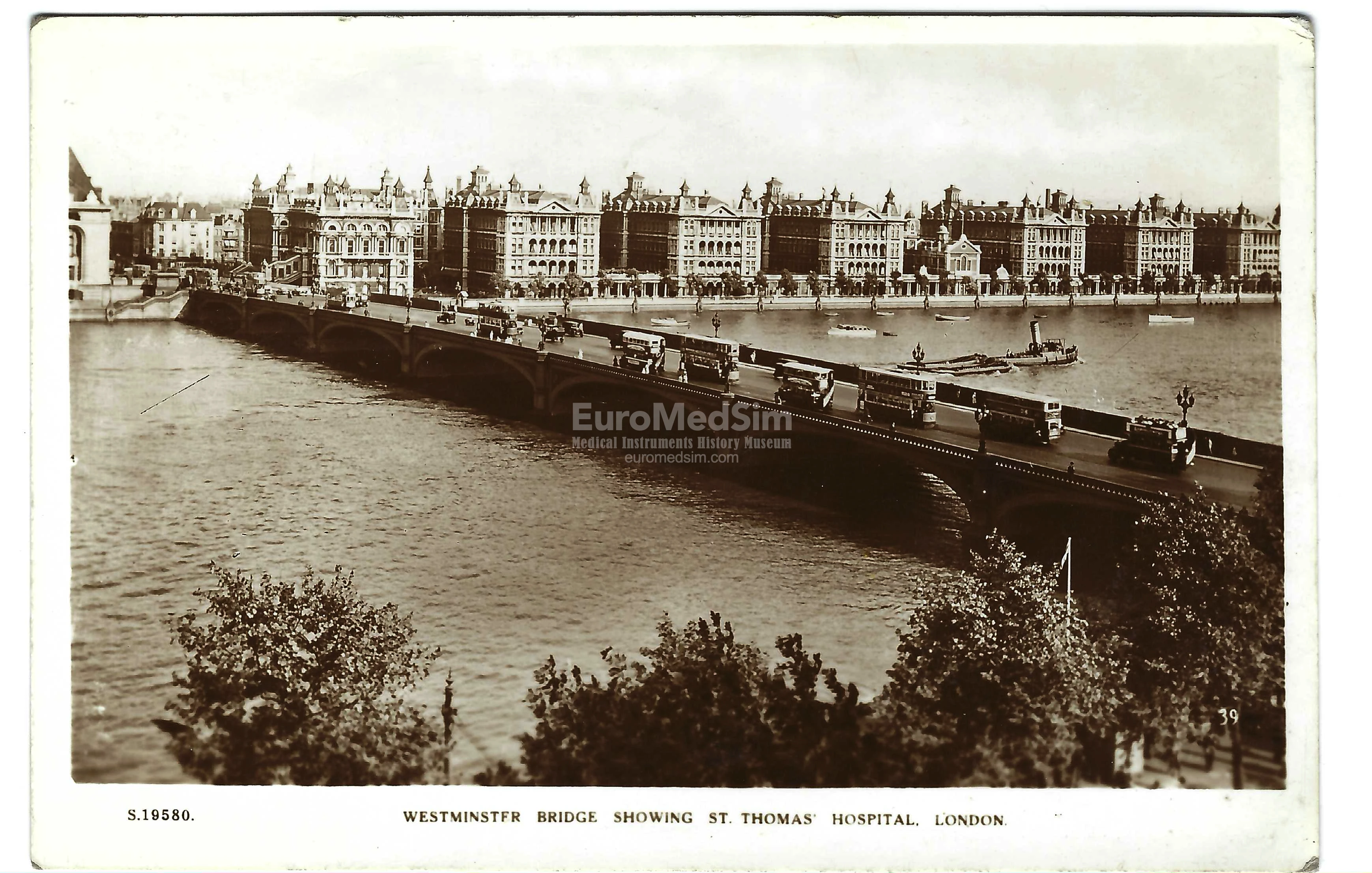
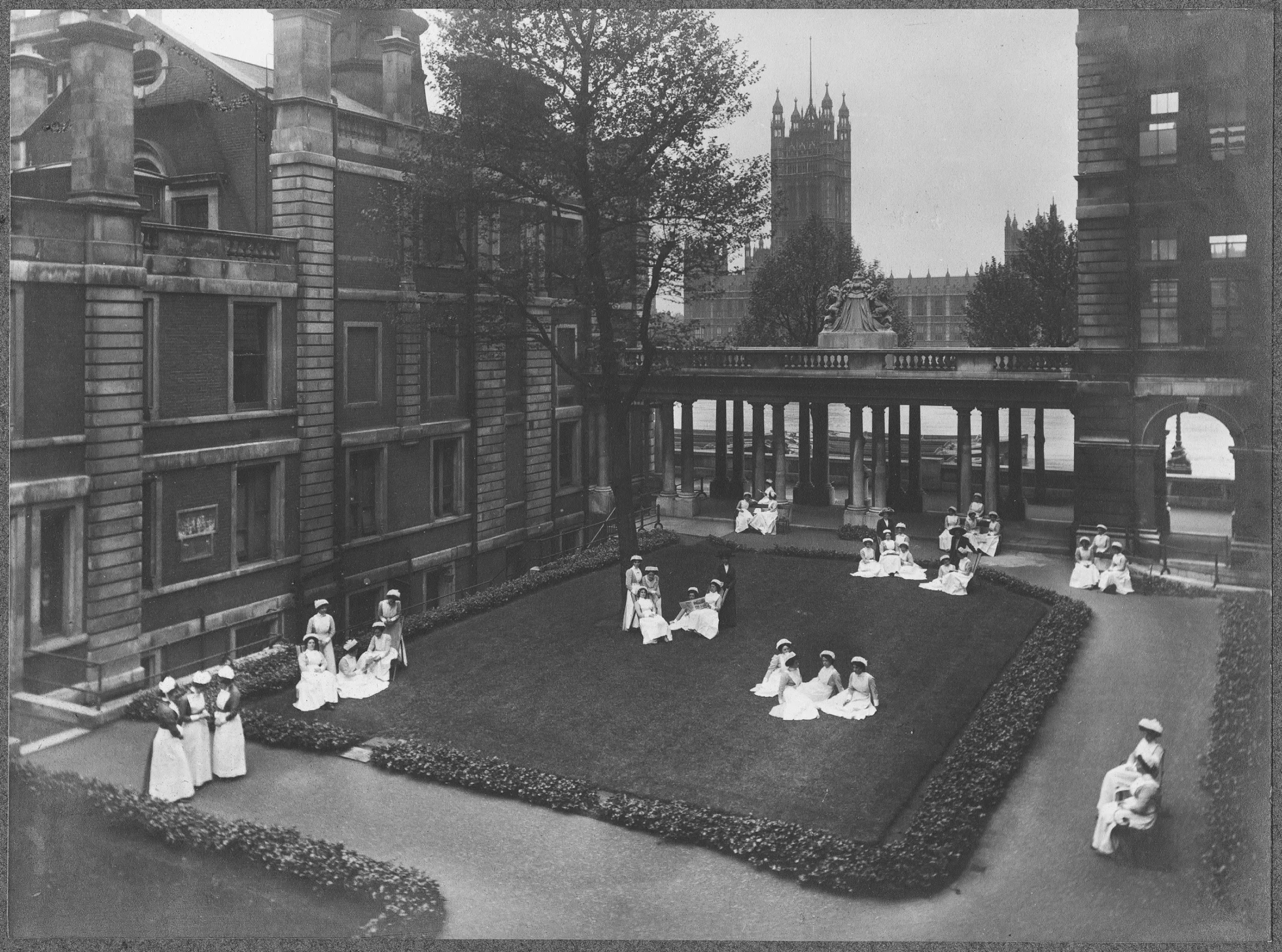
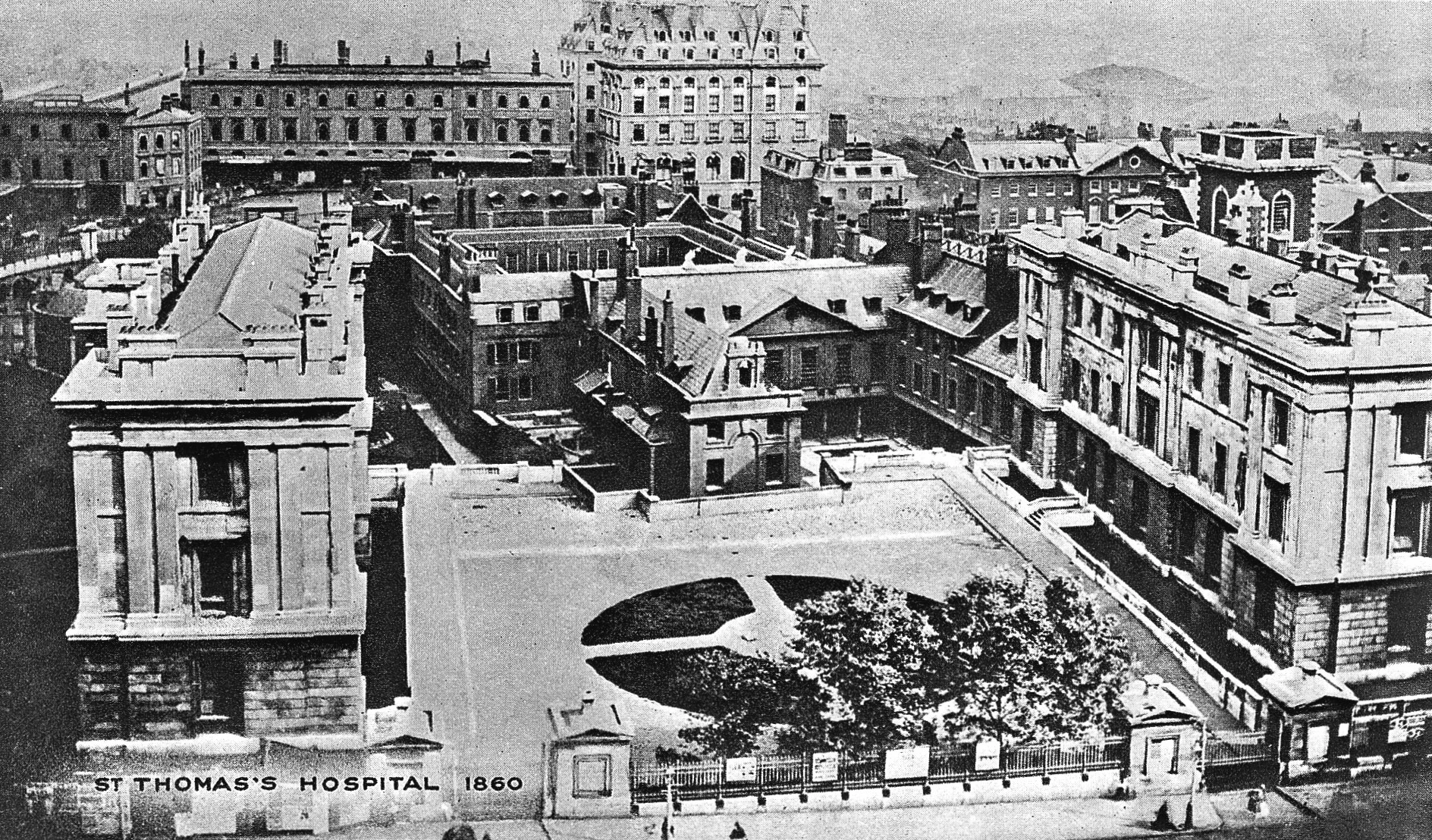
In 1860, using funds from the public "Nightingale Fund", she established the first secular nursing school—the Nightingale Training School at St Thomas' Hospital in London . The school formalised nursing education, transforming it into a respectable profession for women.
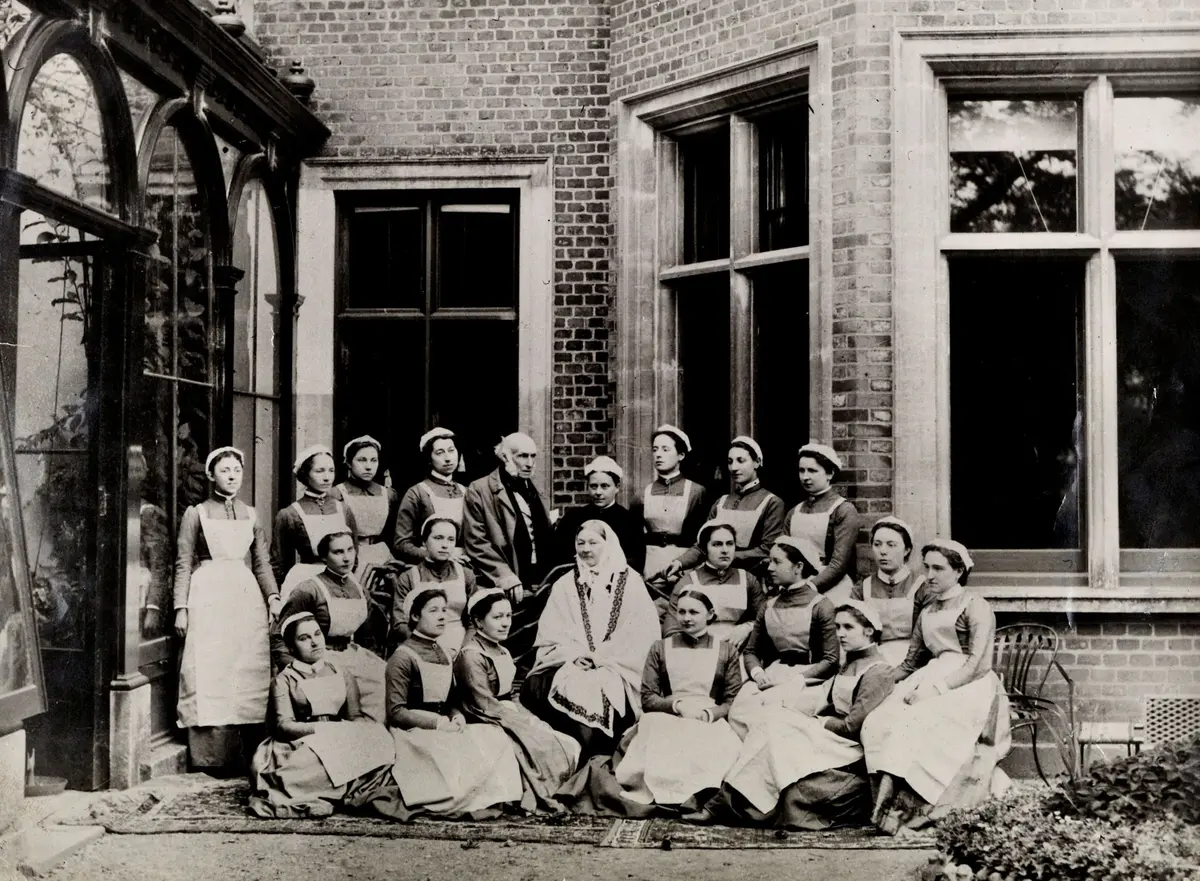
Florence Nightingale (sitting in the center) with Sir Harry Verney, her brother-in-law and Miss Mary Crossland, the matron of the Nightingale Training School (standing in the centre) with a group of nurses at Claydon House, Buckinghamshire, 1886. Source: Wellcome Collection
Even after contracting "Crimean fever" (likely brucellosis) in 1855, which confined her to bed for extended periods, Nightingale continued her reform work, writing over 13,000 letters and advising governments on public health. She became the first woman to receive the Order of Merit in 1907. Florence Nightingale died in London on 13 August 1910, leaving a legacy that continues to inspire nurses worldwide.