Kaiserswerth a. Rh. Diakonissen Mutterhaus
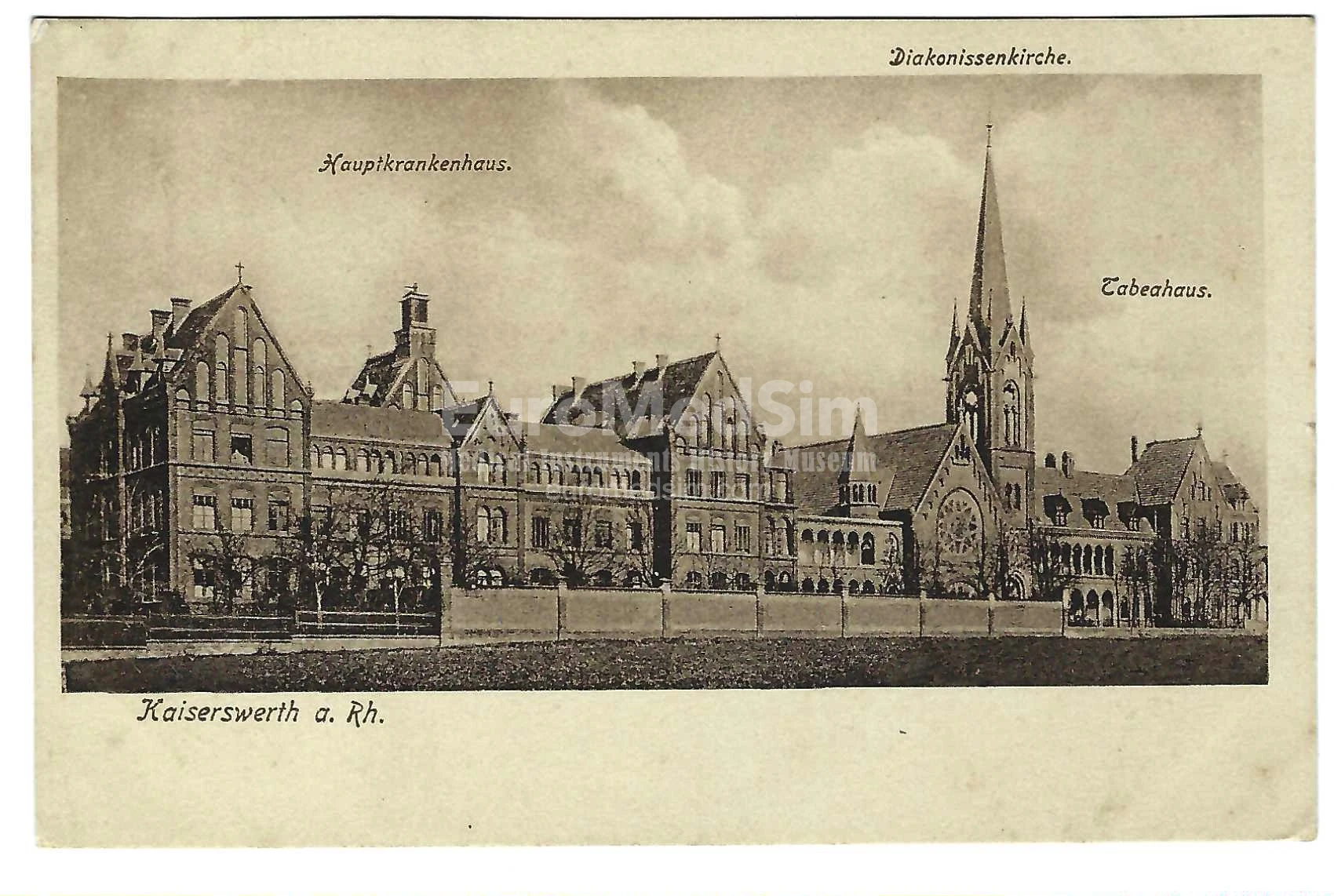
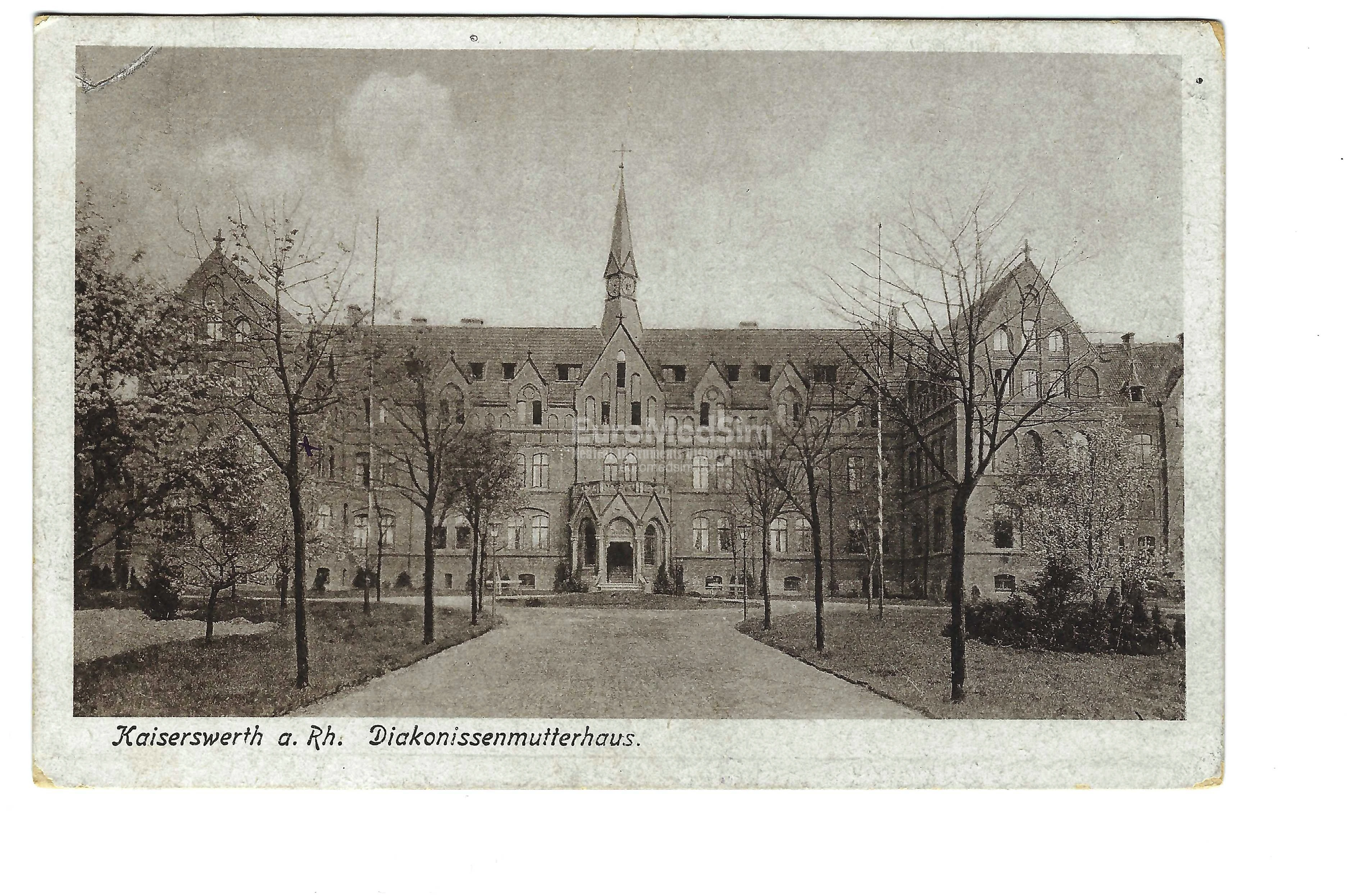
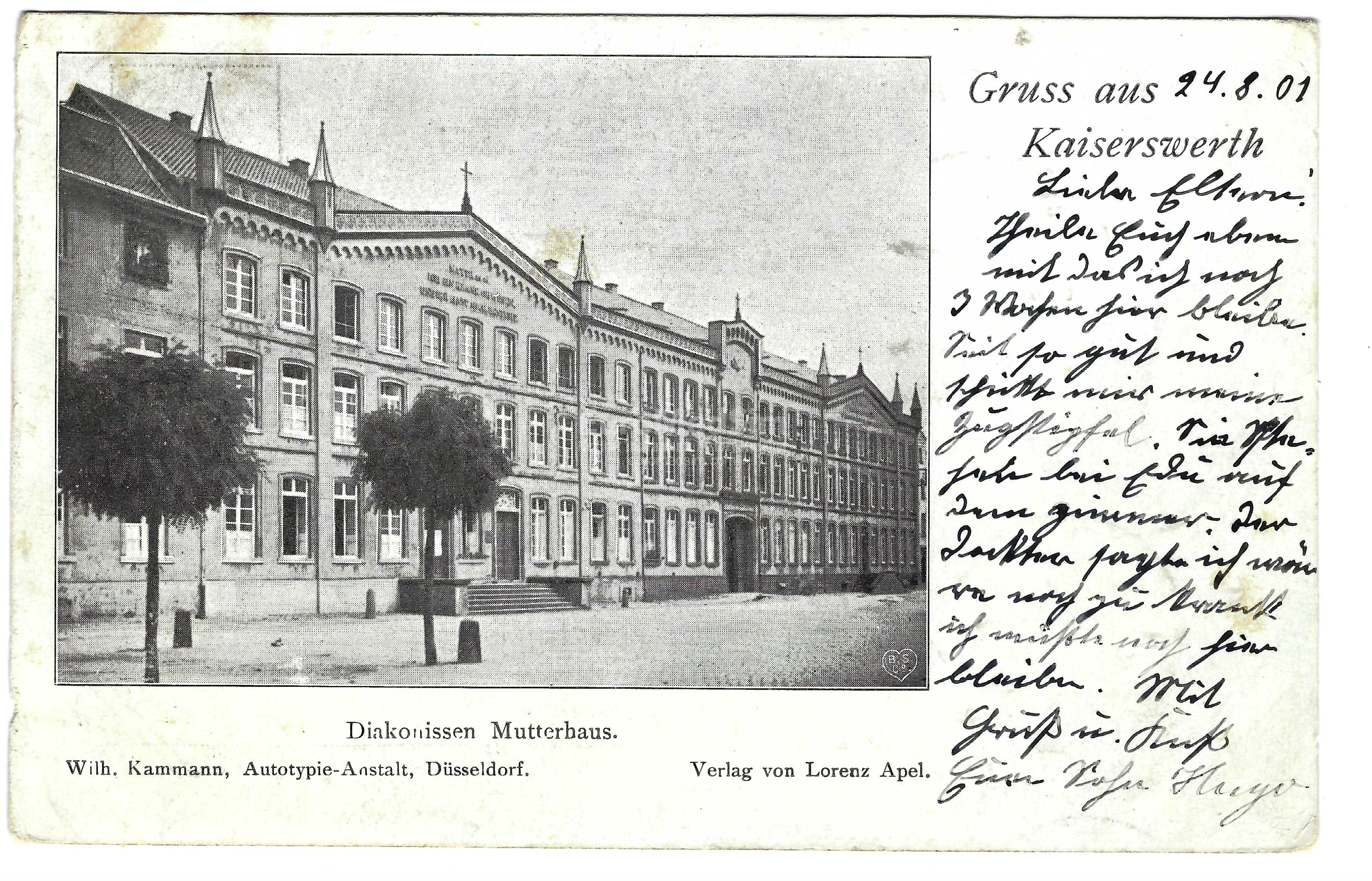
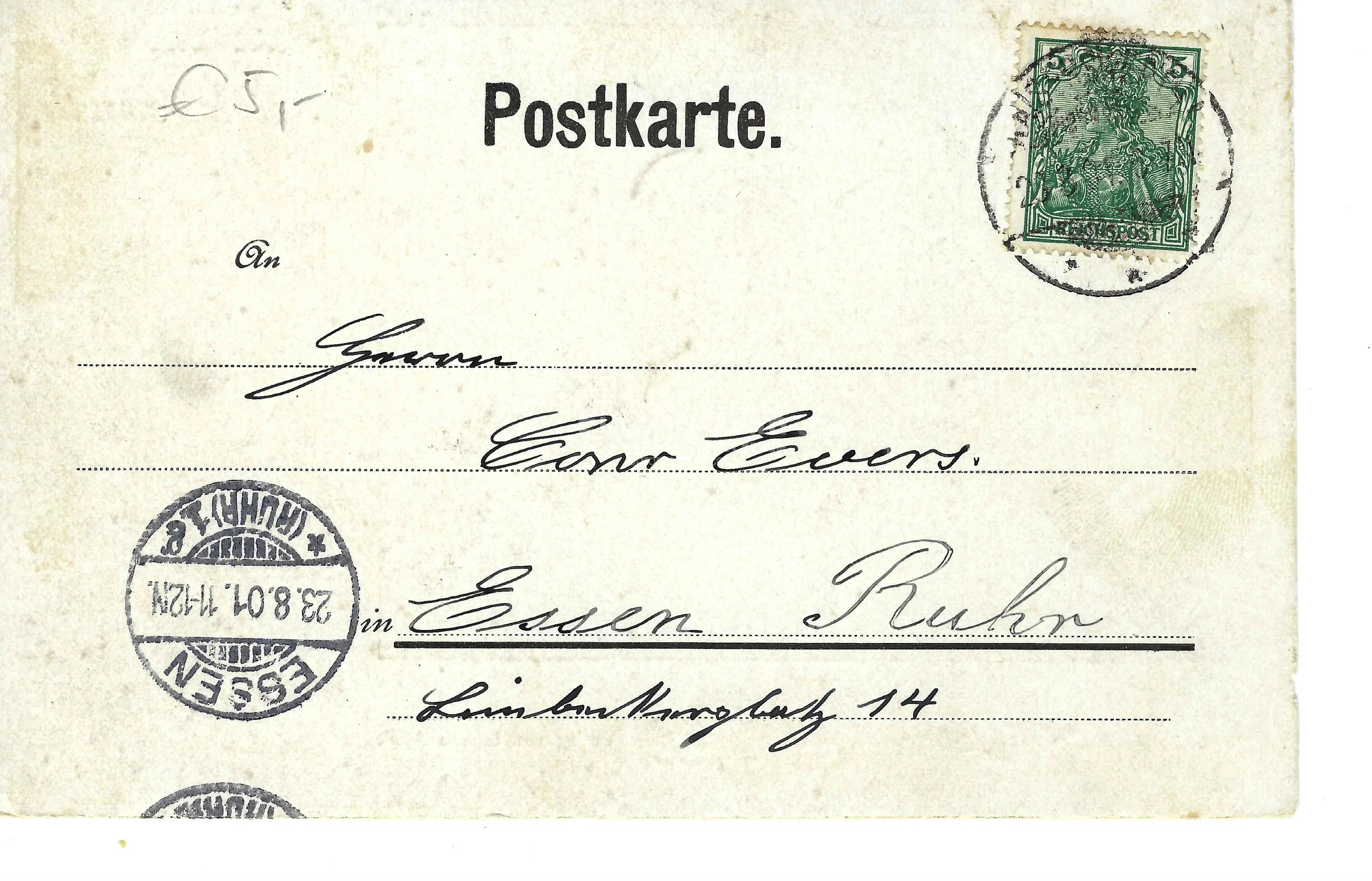
Postcard titled “Diakonissen Mutterhaus” (Deaconess Motherhouse) with a handwritten personal message dated 24.08.01 on the front side, right from the picture. On the other side the card bears a green “German Empire” 5 Pf. postally used stamp, cancelled on August 23, 1901. Cardboard, letterpress printing, handwritten text in black ink. Printed by Wilh. Kammann, Autotypie-Anstalt, Düsseldorf. Publisher: Verlag von Lorenz Apel.
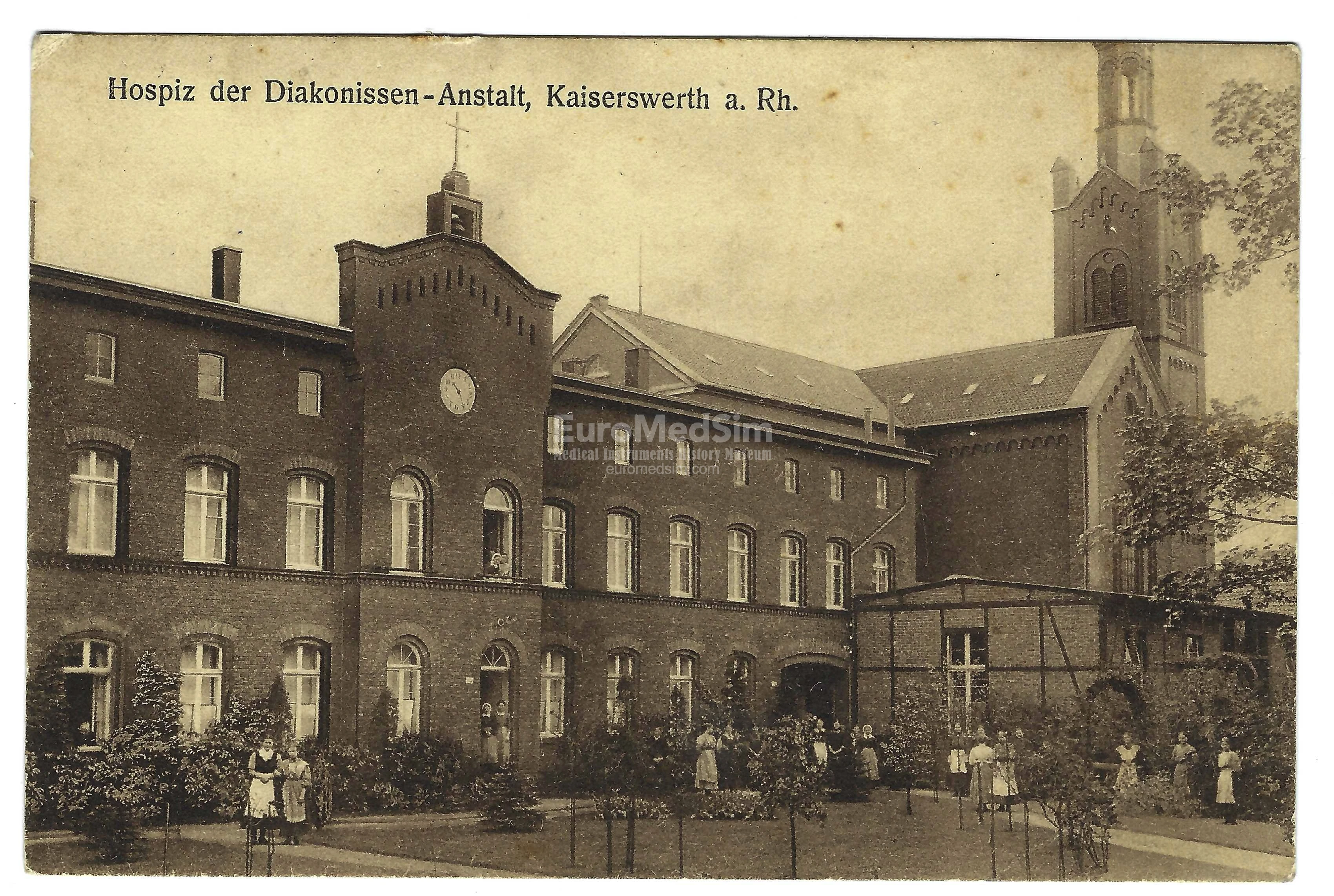
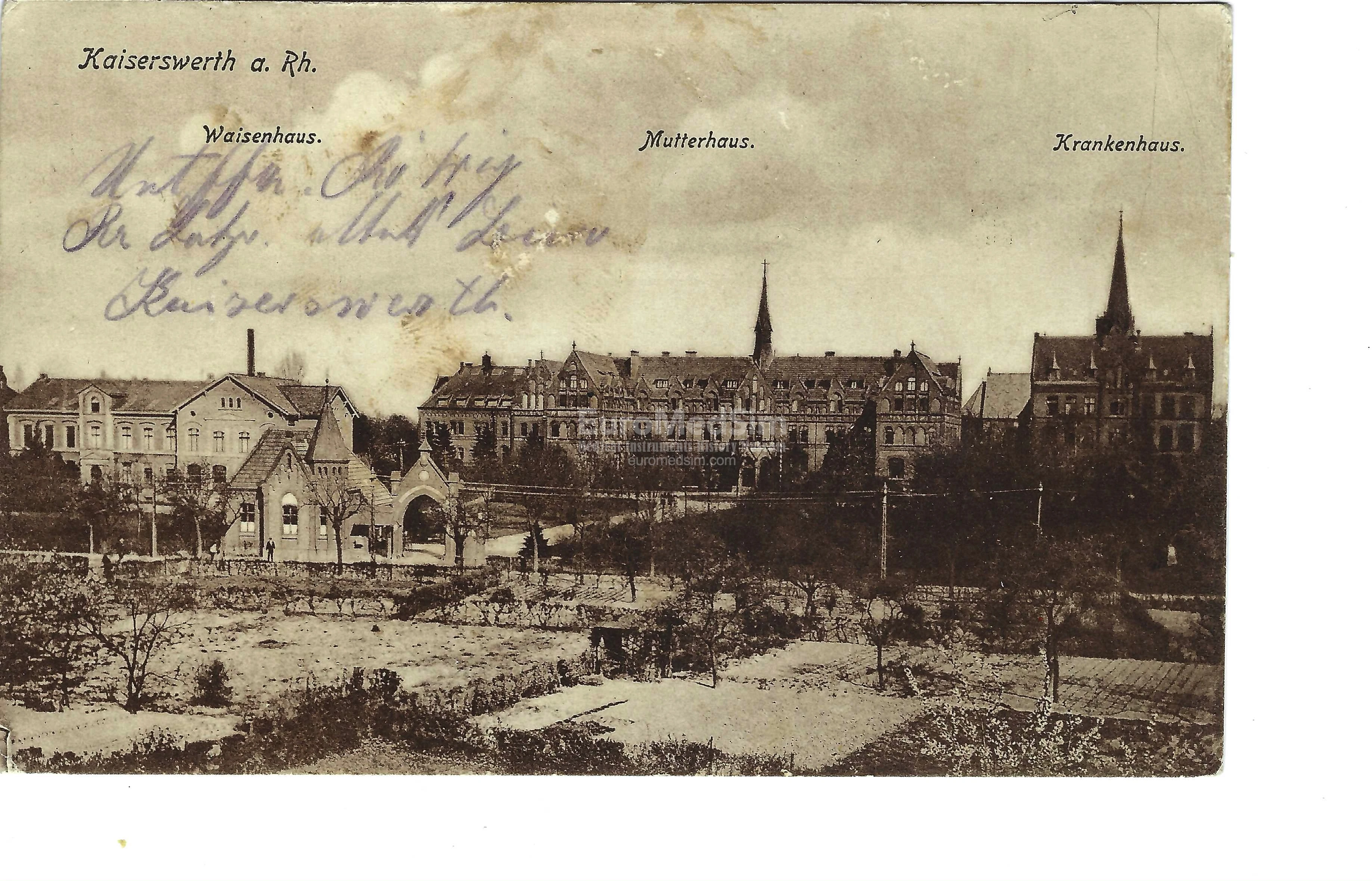
The postcard depicts the Diakonissen-Mutterhaus—the motherhouse of the deaconess community in Kaiserswerth. This elongated, multi-story building with a symmetrical facade, tall windows, decorative turrets, and a central entrance was an important part of the Kaiserswerth Deaconess Institute complex.
Kaiserswerth Diakonie
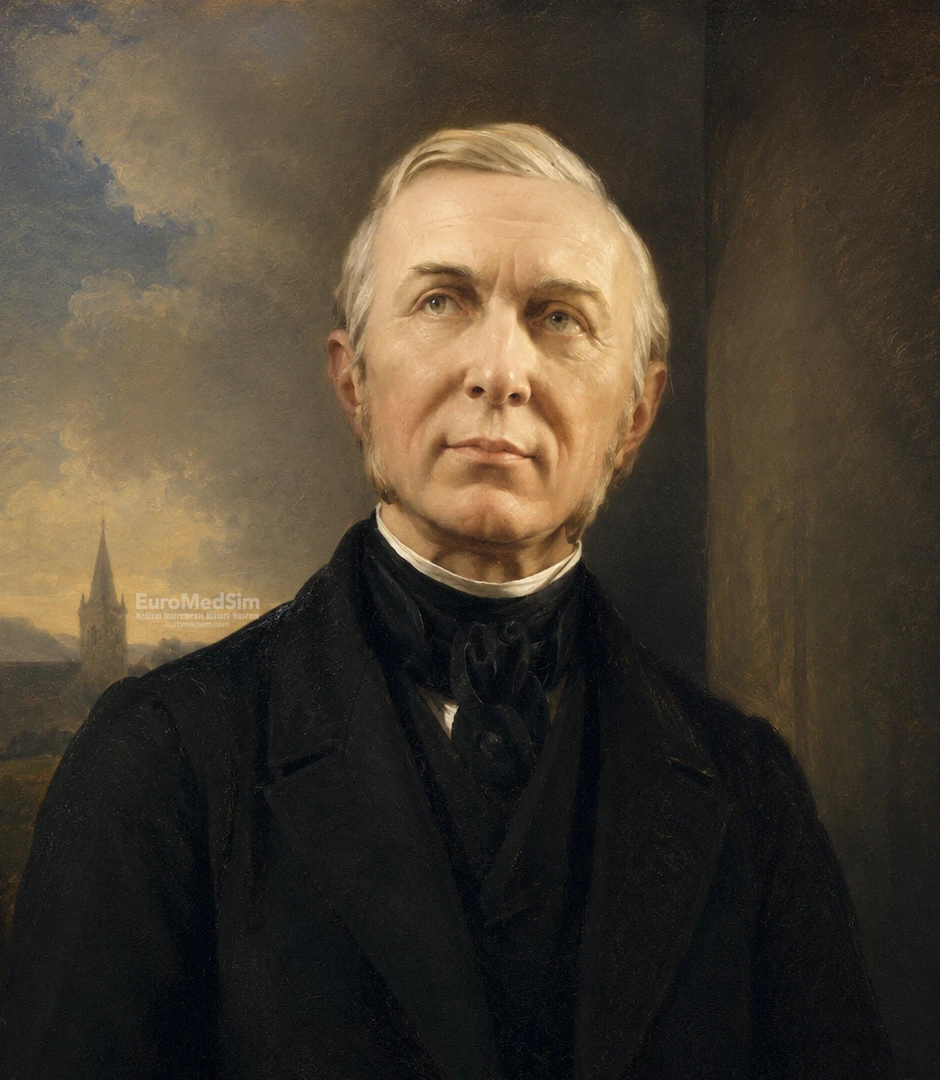
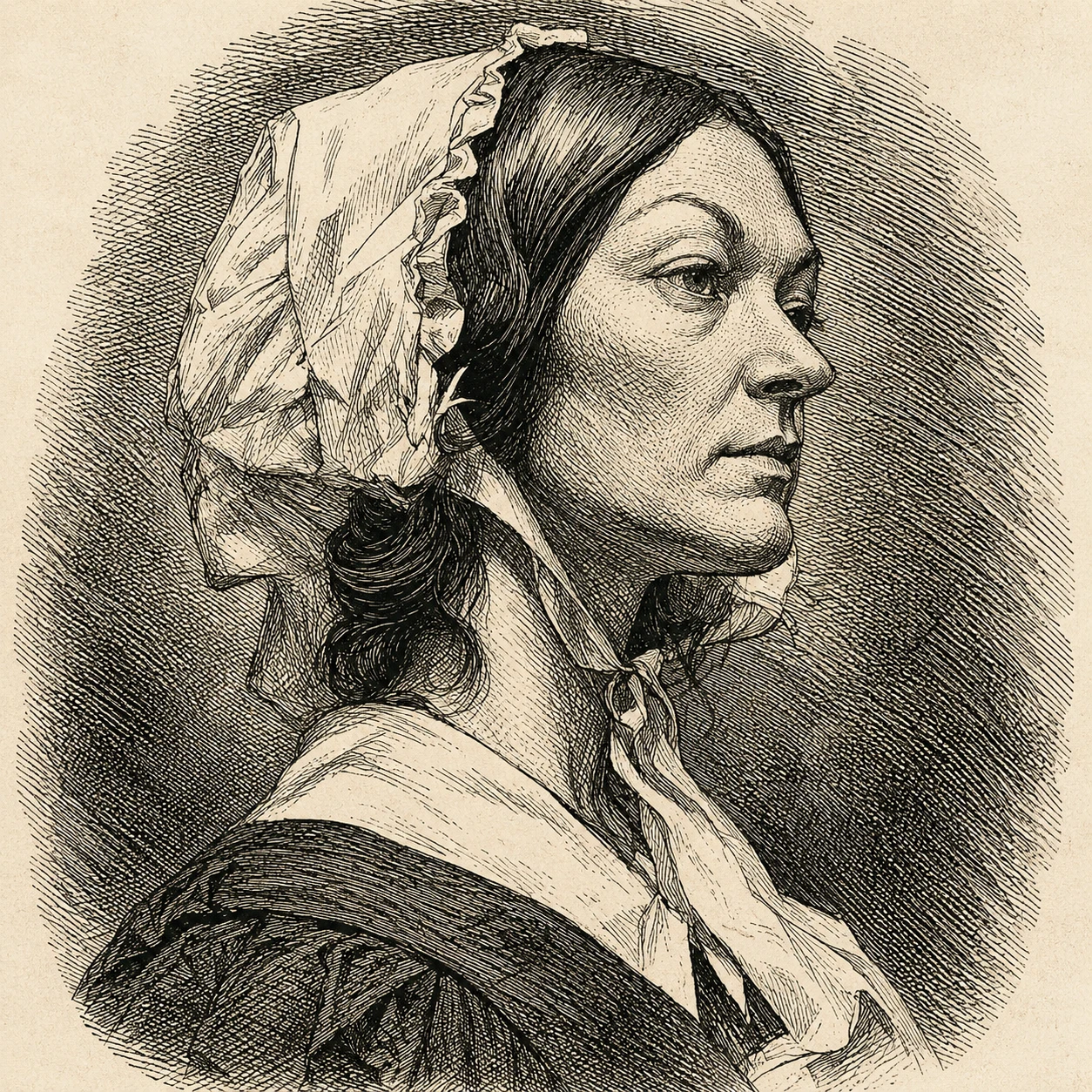
The Kaiserswerth Diaconate, an Evangelical community of sisters of mercy founded in 1836 by Pastor Theodor Fliedner and his wife, Frederieke Fliedner. Starting with the purchase of a single house, the institution quickly grew into a multifunctional complex that included a hospital, a kindergarten, a school for nursery teachers, an orphanage, a correctional facility for women, and a teachers’ seminary. The main house was named “Mutterhaus” (“Mother House”), where the hospital was located and where the deaconesses lived and were trained. Among his most famous students was Florence Nightingale, the founder of nursing in Great Britain. She visited here twice and, in 1851, spent three months gathering material for her first book and developing ideas that would later be put into practice during the Crimean War.
Text on the Postcard
The author informs her parents that she must remain in Kaiserswerth for another three weeks, asks them to send a travel bag, and mentions a conversation with a doctor about continuing her treatment. The sender was likely staying there as a patient or undergoing a course of rehabilitation.
German original
Gruß aus Kaiserswerth
24.8.01
Liebe Eltern!
Heute früh erfuhr ich, daß ich noch
3 Wochen hier bleiben muß.
Seid so gut und schickt mir meine
Reisetasche. Die steht bei Euch auf
dem Zimmer. Der Doktor fragte mich nun,
ob ich noch zur Kur will. Ich möchte noch hier
bleiben.
Mit Gruß u. Kuß
Eure liebe Marga.
English translation
Dear Parents,
This morning I learned that I must remain here
for another three weeks.
Please be so kind as to send me my
travelling bag. It is in your
room. The doctor has now asked me
whether I would like to continue the course of treatment. I would like to stay
here a little longer.
With greetings and kisses,
Your loving Marga.
The postcard is of interest as both an architectural and a socio-historical source. It captures the appearance of one of the most important buildings in the Kaiserswerth complex at the turn of the 19th and 20th centuries and illustrates how the deaconess institutions combined religious ministry, nursing education, and medical care. The personal letter transforms the official view of the building into a testament to the everyday life of a person undergoing treatment in Kaiserswerth.