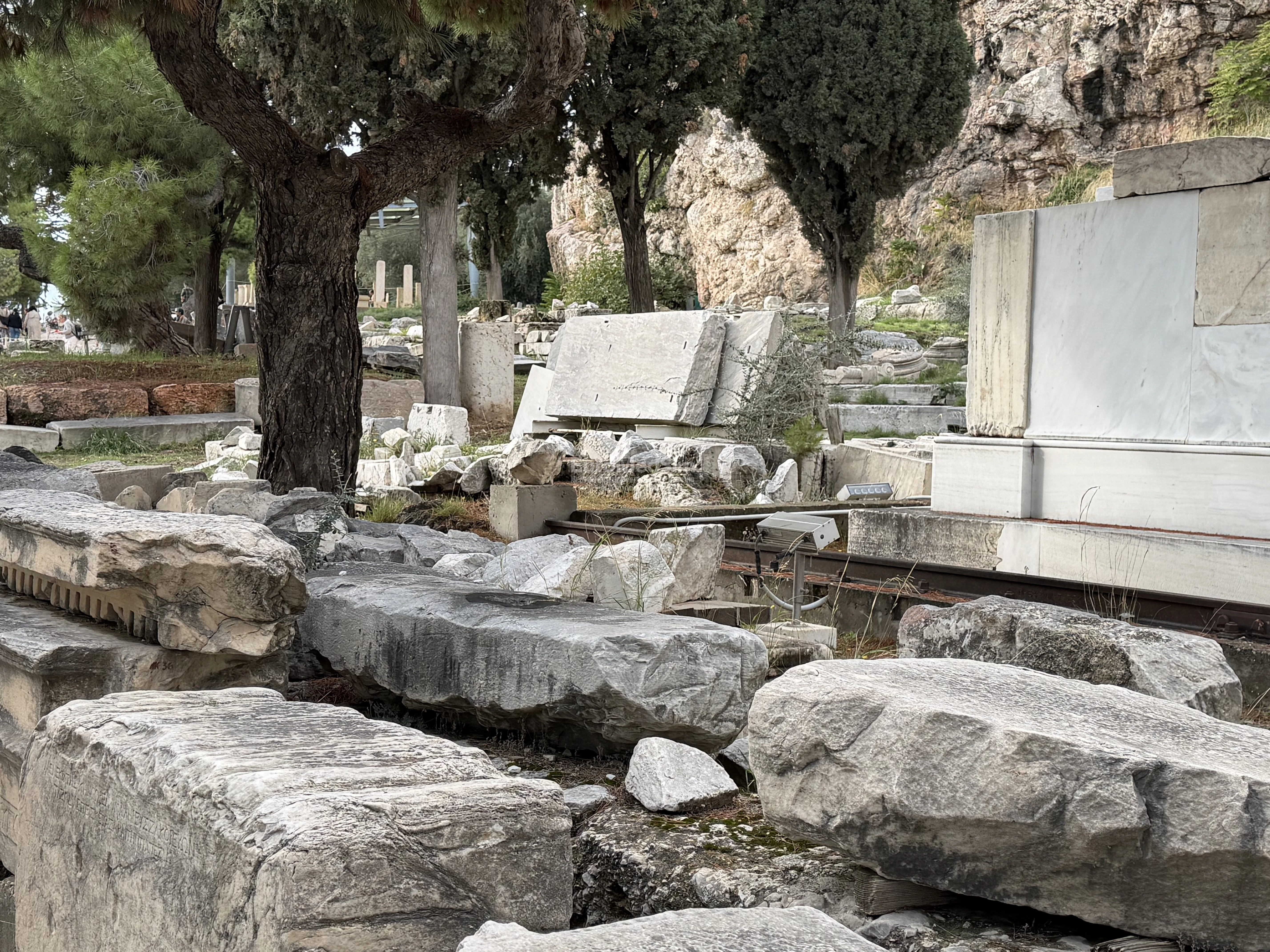
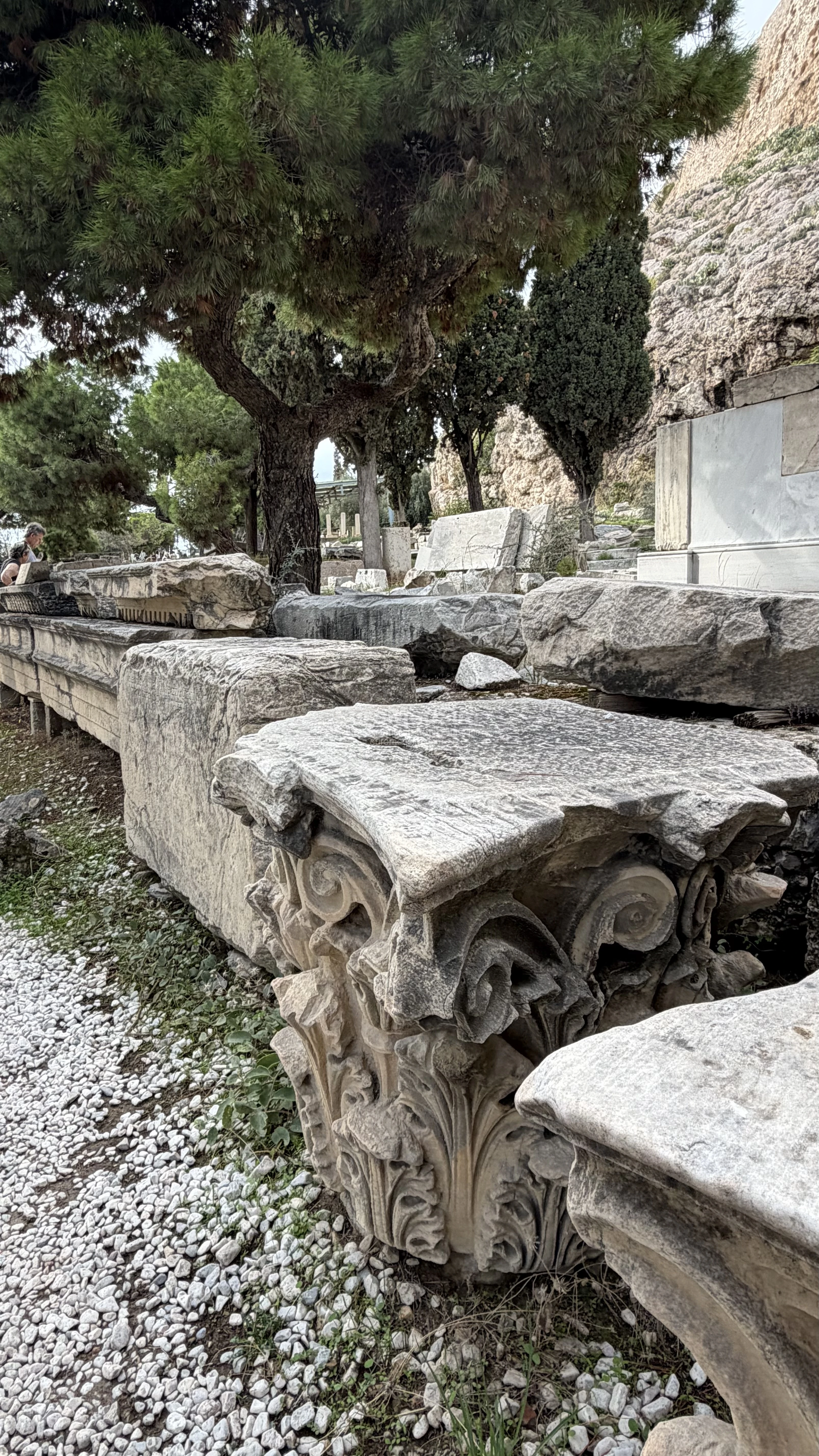
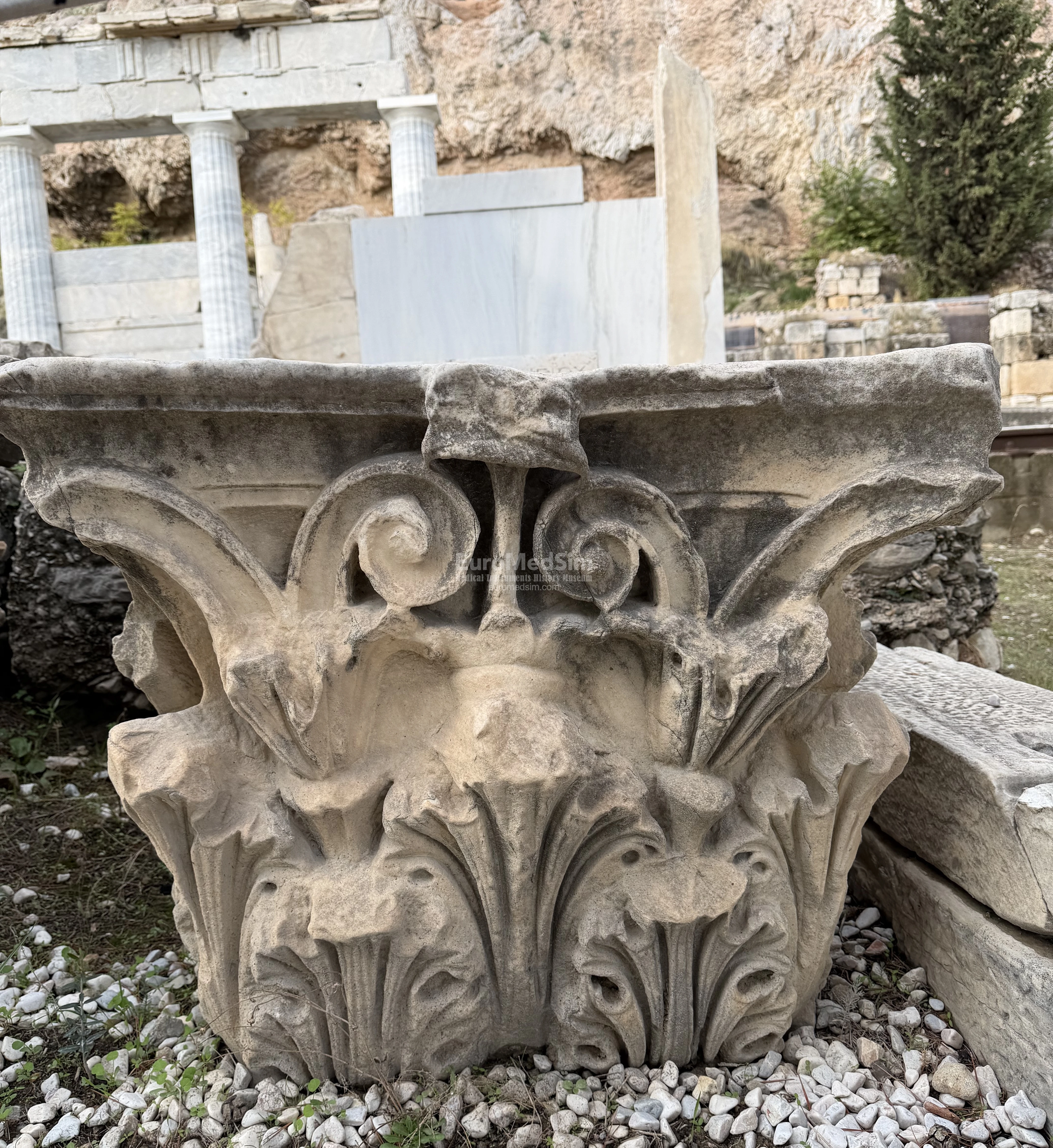
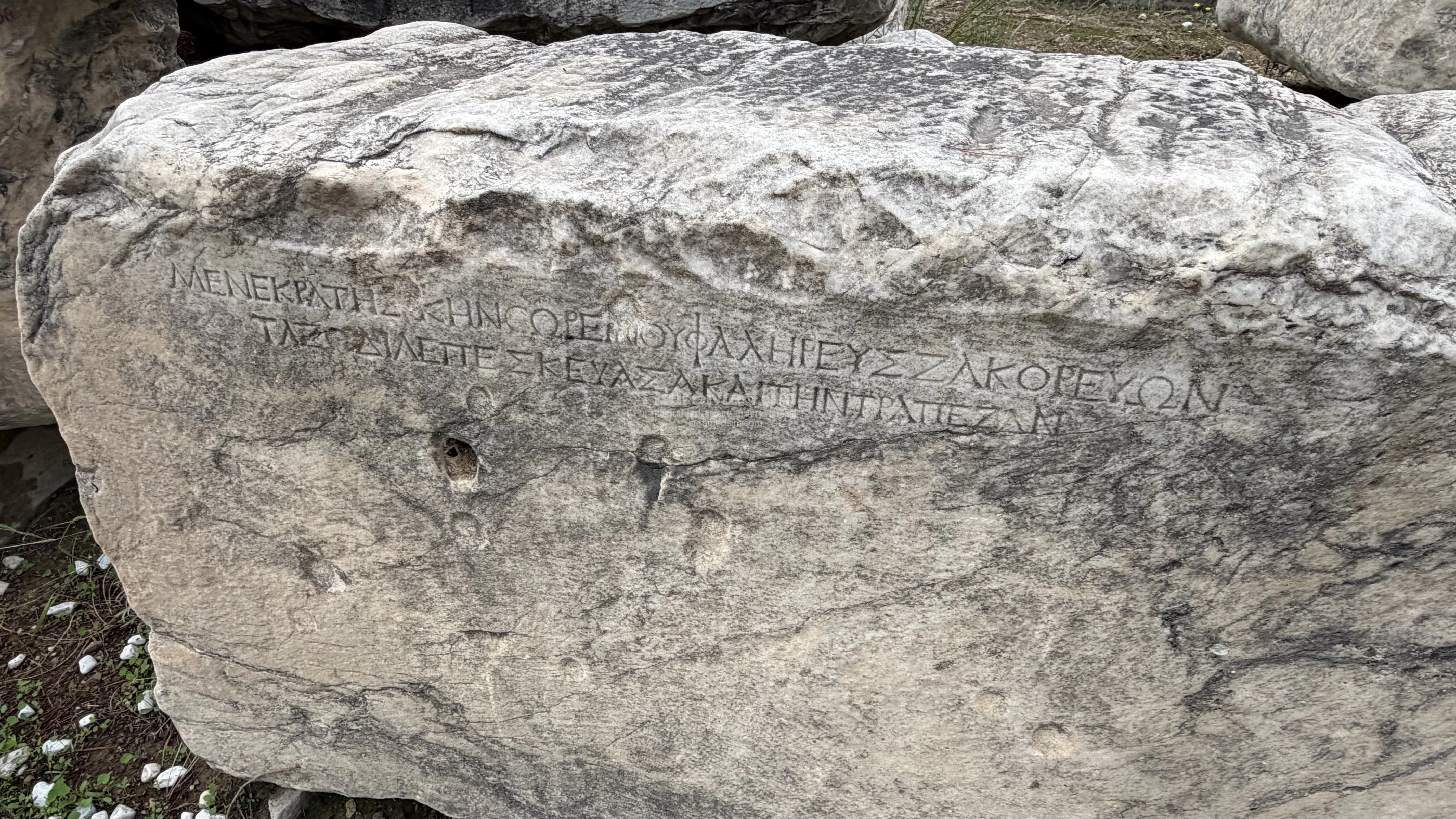
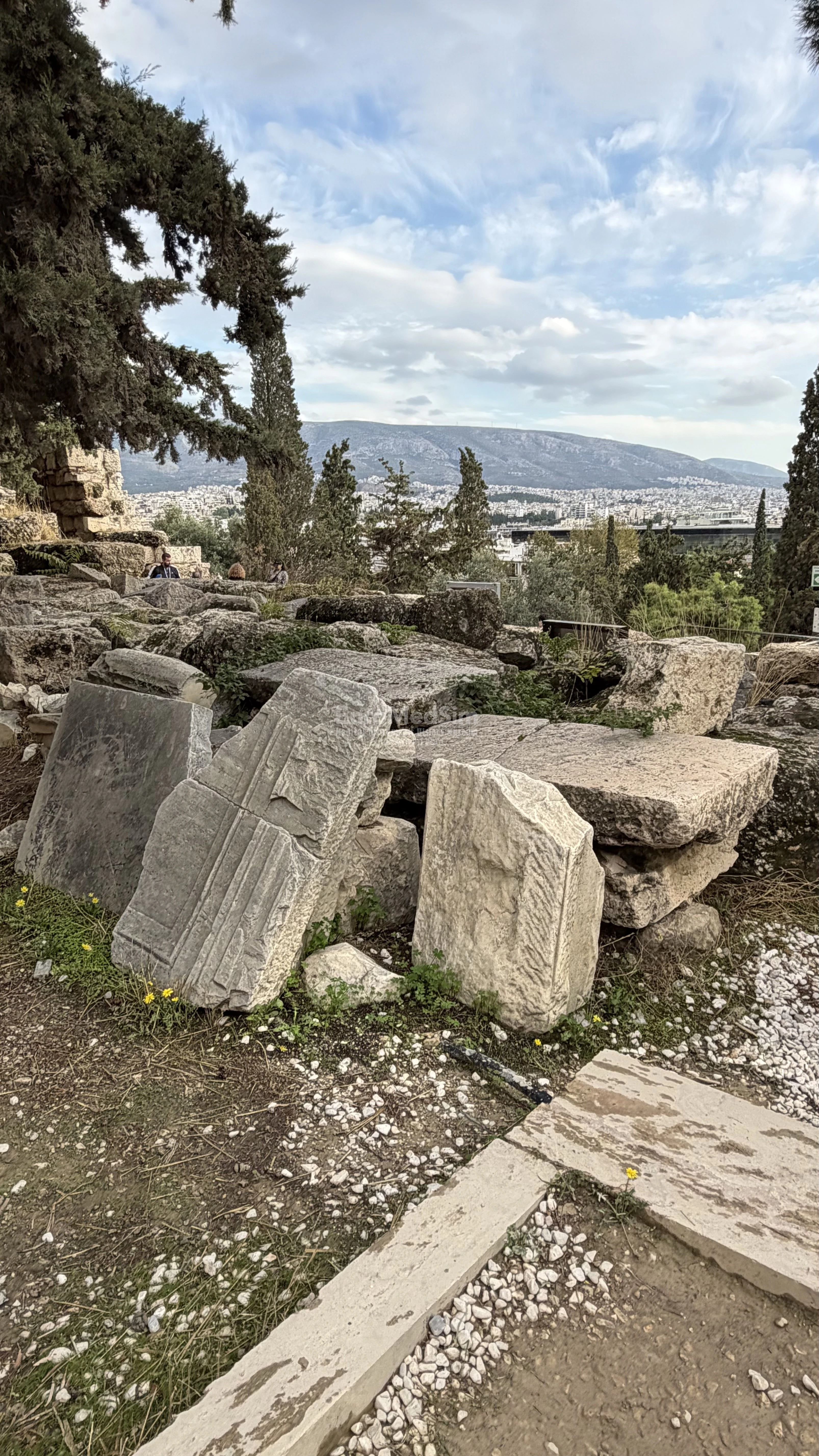
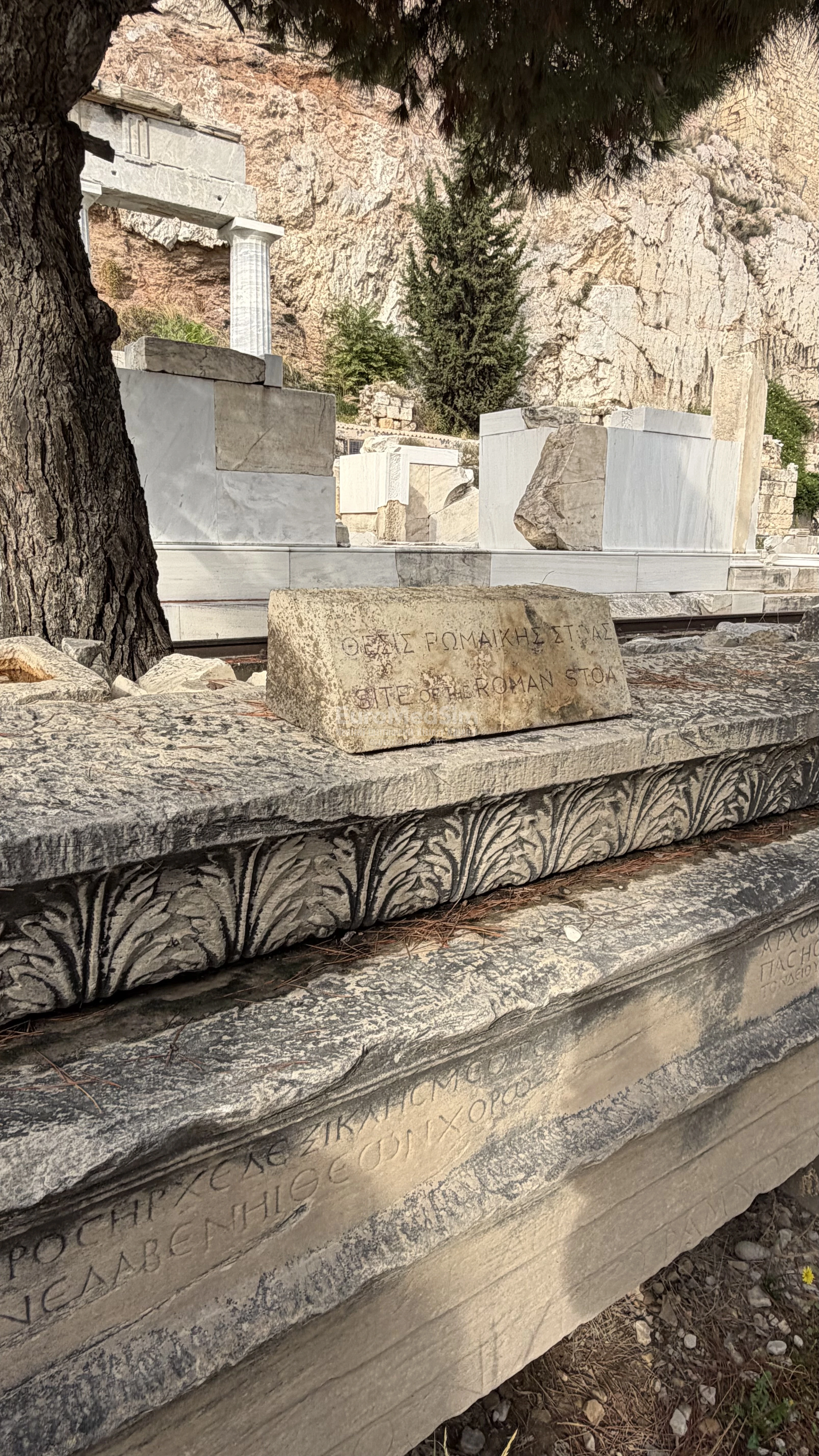
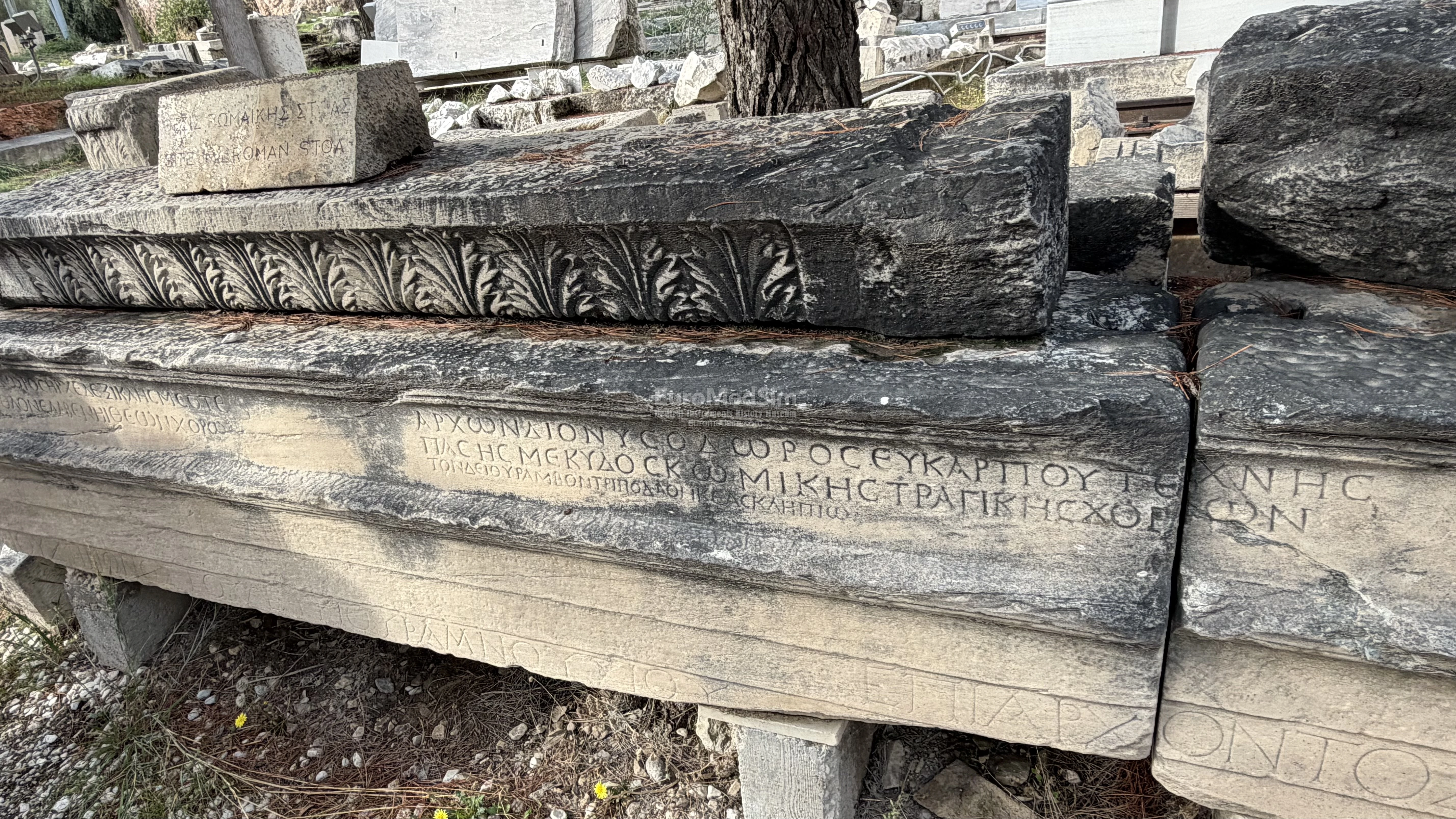
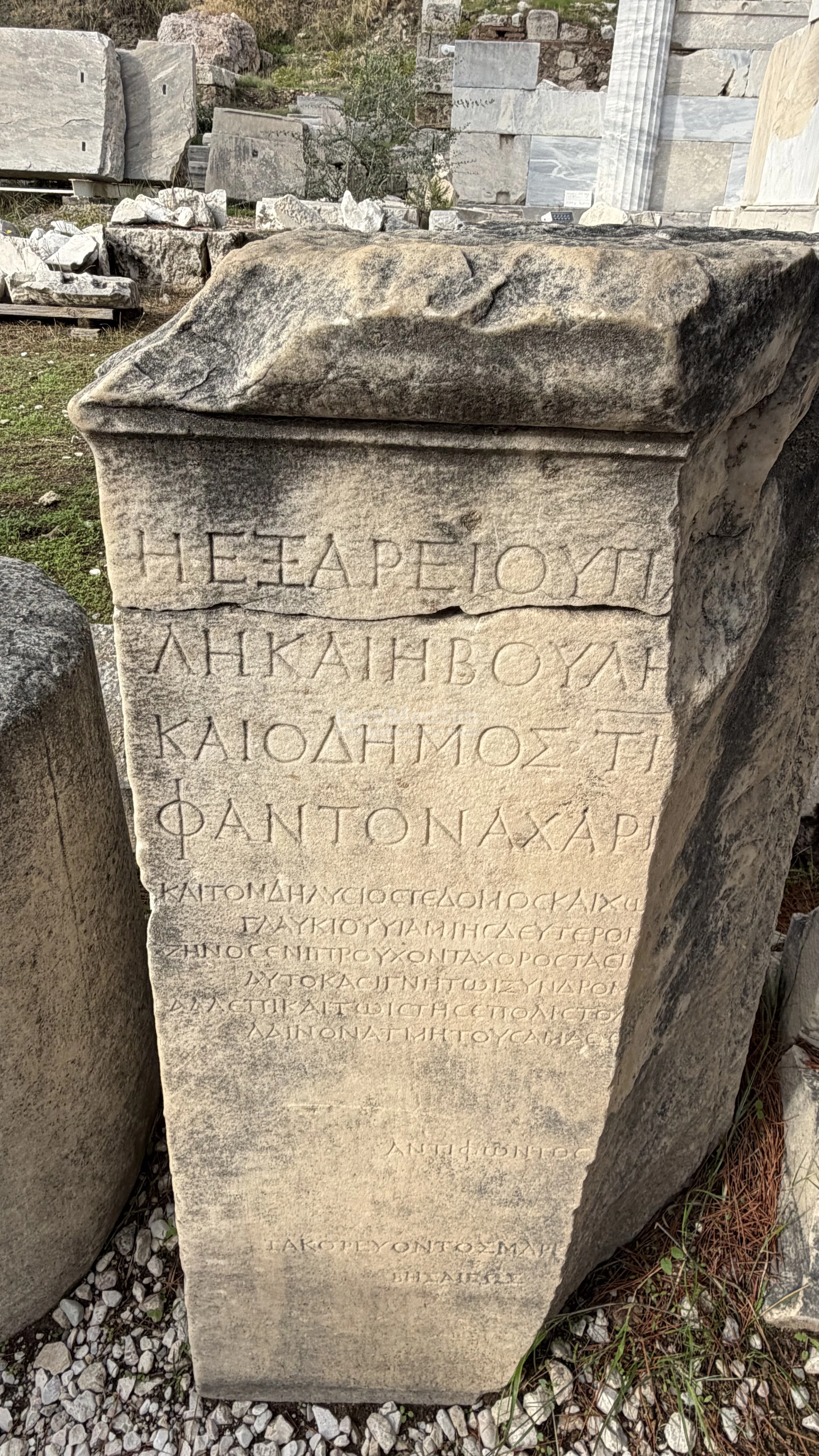
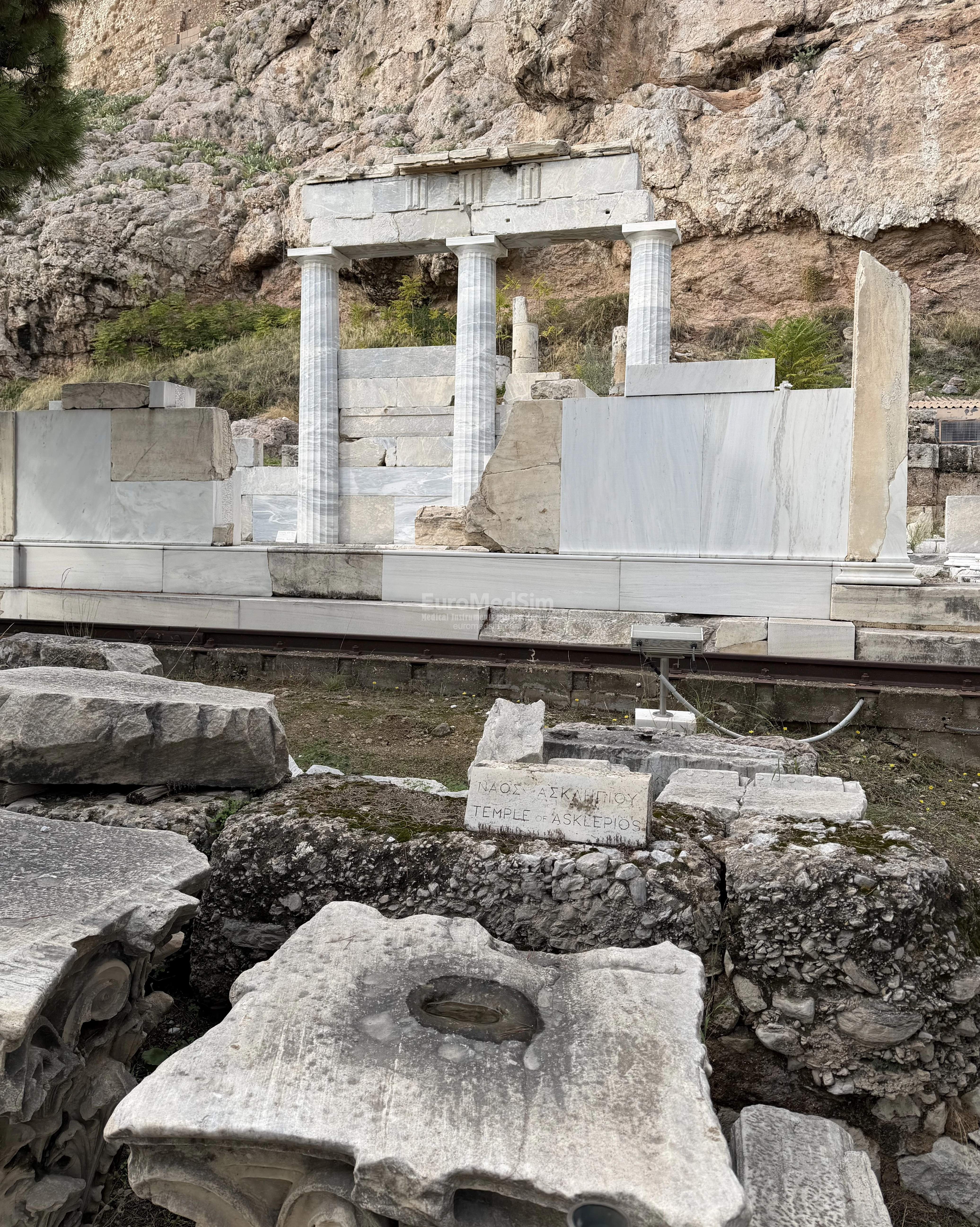
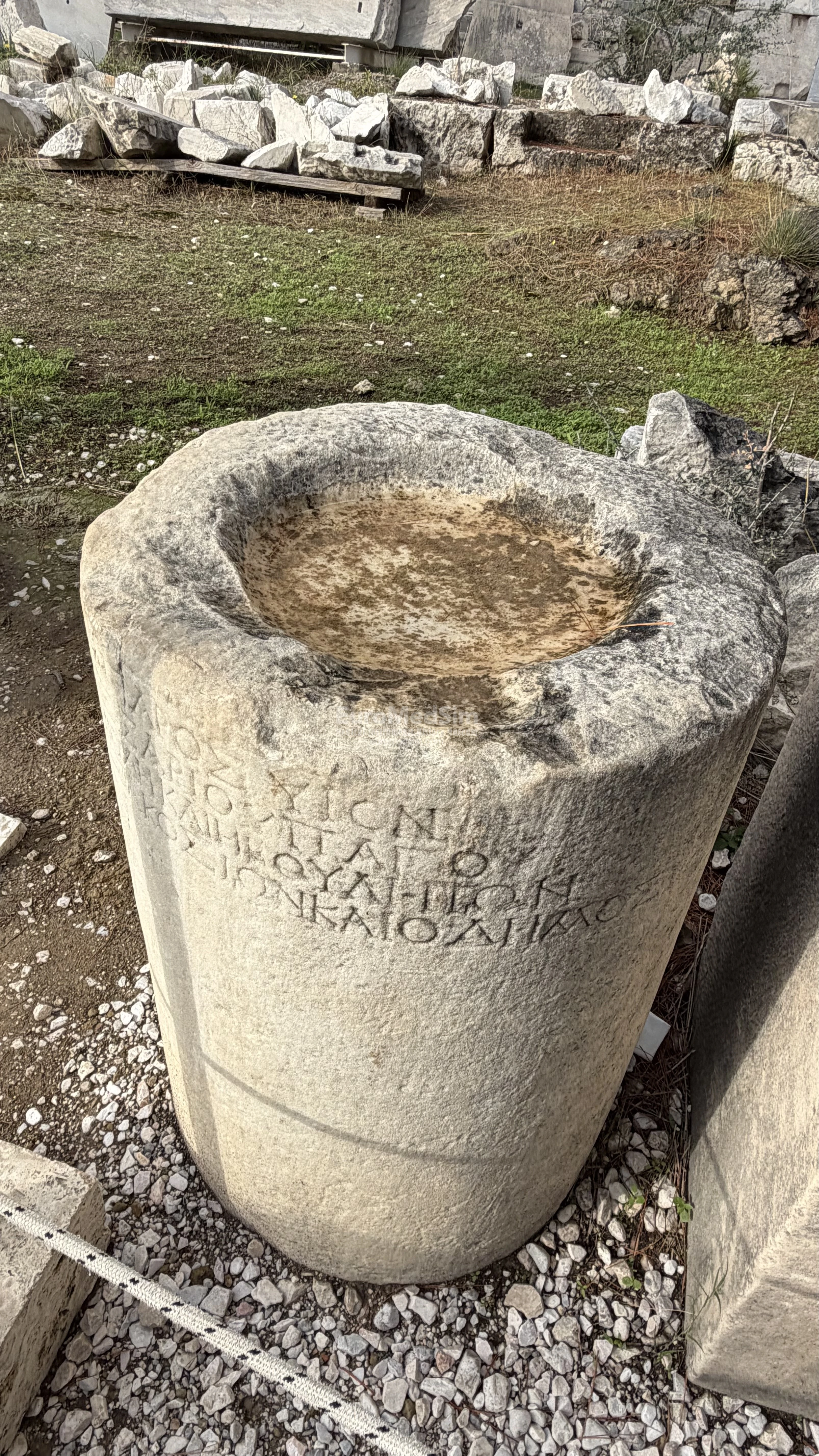

Asclepieion at Athens Acropolis
The Athenian Asclepieion: Gods Healed Patients in Dreams
The Sanctuary of Asclepius at the Foot of the Acropolis — a Remarkable Monument to the Origins of Healing, Medicine, and the Human Search for Health.
Athens, Greece · Founded 420/419 BC · Photographs: Museum of Medicine, 2026
At the southern slope of the Athenian Acropolis, just a short distance from the Theatre of Dionysos, lie the remains of one of ancient Athens' most important healing sanctuaries: the Asklepieion (Ἀσκληπιεῖον, "sanctuary of Asclepius") dedicated to the gods Asclepius (closer to greek spelling Asklepios) and Hygieia.
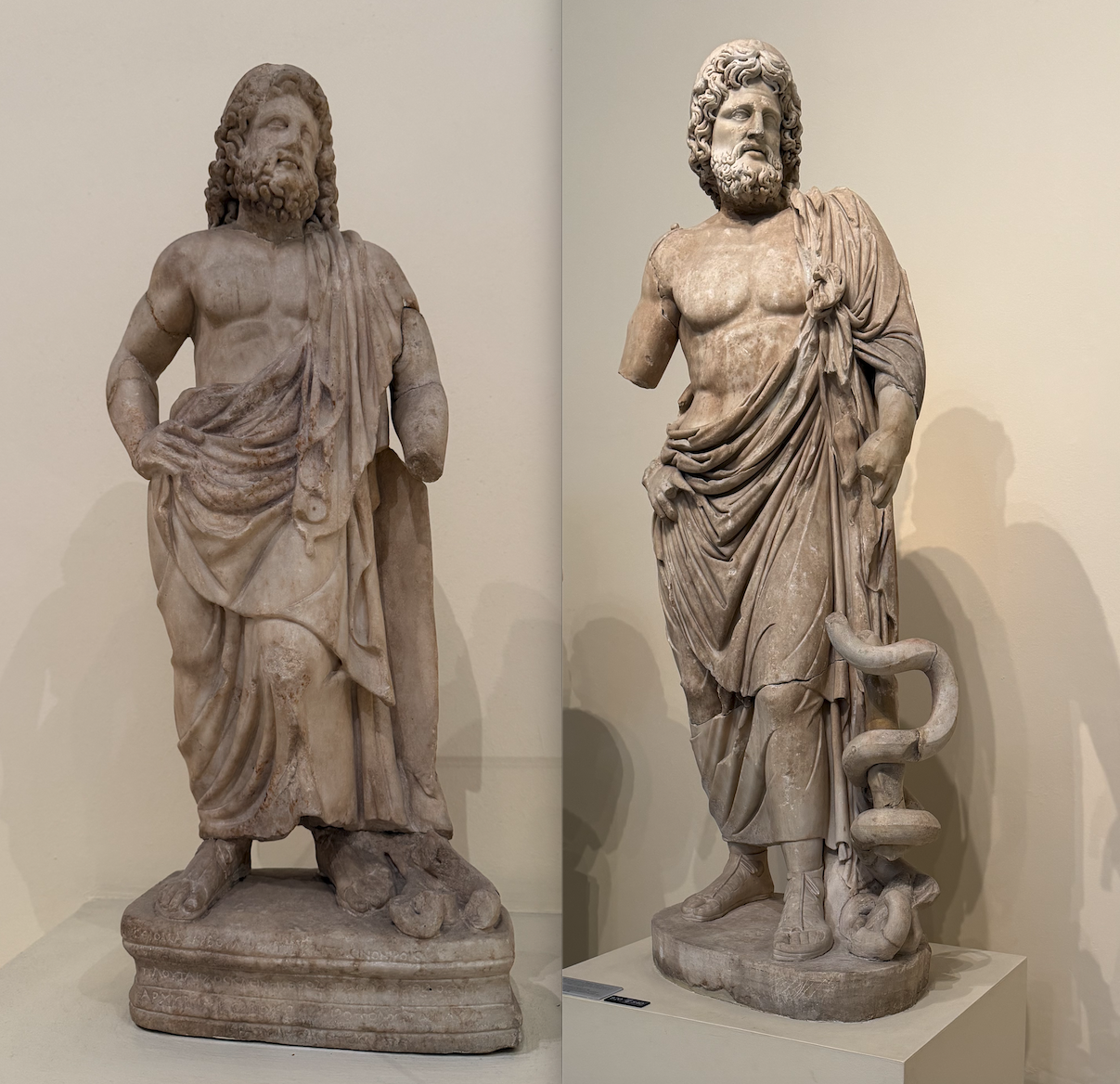
Two statues of the god Asclepius (in Roman mythology — Aesculapius). Pentelic marble. 2d–4th c. AD. The Hellenic National Archaeological Museum, Athens. Photo: Maxim Gorshkov
Here, more than two thousand years ago, patients sought help from Asclepius, the Greek god of medicine and healing (In Roman mythology — Aesculapius), and his daughter Hygieia (Ὑγιεία, "Health"), the divine personification of health whose name gave rise to the modern word "hygiene." In Homer Asclepius is also the father of the surgeon Machaon (Μαχάων).
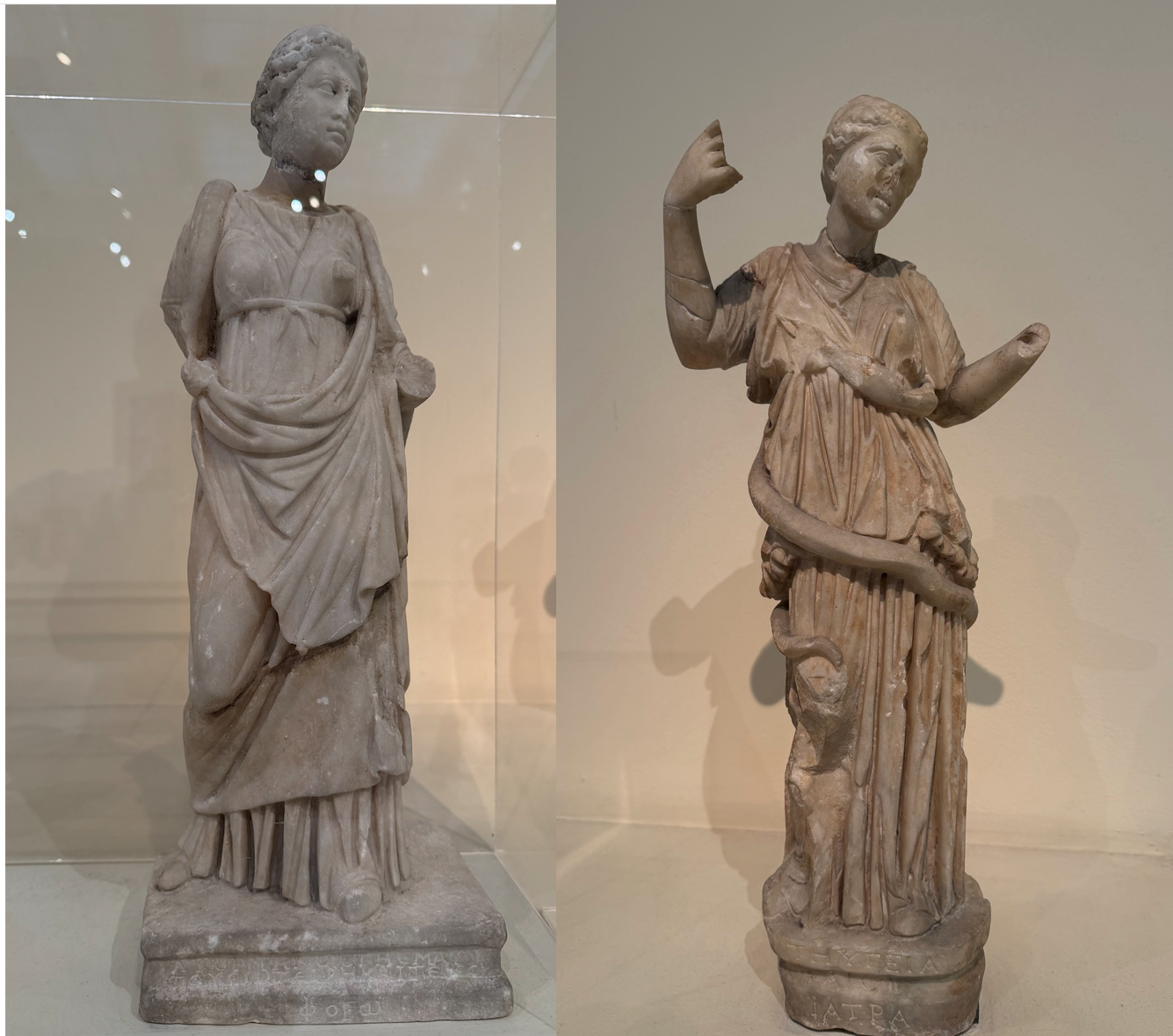
Two statues of the goddess Hygieia. Pentelic marble. 200 AD. The Hellenic National Archaeological Museum, Athens. Photo: Maxim Gorshkov
The Asclepieion was not a hospital in the modern sense. It was a religious and therapeutic complex where purification rituals, prayers, sacrifices, sacred sleep, and the interpretation of dreams formed the foundation of healing practices. Its history spans nearly a millennium, from its foundation in the late fifth century BC to its transformation into a Christian religious complex in the sixth century AD.
The Foundation of the Sanctuary: How Asclepius Arrived in Athens
The Athenian Asclepieion was founded in 420/419 BC through the initiative of an Athenian citizen named Telemachos, from the deme of Acharnai (δῆμος, "local civic district"). According to ancient tradition, the cult of Asclepius was brought to Athens from Epidaurus in the Peloponnese, the most celebrated healing sanctuary dedicated to the god.
The historical timing is particularly significant. Athens was engaged in the Peloponnesian War, and only a decade earlier the city had suffered a devastating epidemic, beginning in 430 BC, famously described by the historian Thucydides. The precise nature of the epidemic remains disputed. Although there is no direct documentary evidence that the epidemic caused the foundation of the Asclepieion, the arrival of a new healing cult in a city recently devastated by disease is historically suggestive.
The sanctuary's foundation was commemorated in the Monument of Telemachos, a votive stone monument decorated with relief panels (today n Acropolis Museum). The monument recorded the arrival of Asclepios in Athens and depicted the god in his new sanctuary on the southern slope of the Acropolis. A copy of the Monument of Telemachos is displayed today in the sanctuary's Doric Stoa.
Architecture of the Ancient Healing Sanctuary
The Asclepieion occupied a narrow terrace between the rocky southern slope of the Acropolis and the Peripatos (Περίπατος, "walking path" or "circuit path"), the ancient road surrounding the sacred hill.
Visitors entered through a monumental gateway, or propylon (πρόπυλον, "entrance gateway"), which was renovated during the Roman period. The sanctuary consisted of two principal courtyards. The eastern courtyard contained the Temple of Asklepios, the altar, the Doric Stoa, and a Roman Stoa added later to accommodate increasing numbers of pilgrims. This area formed the principal religious and healing center of the sanctuary. The western courtyard contained the Ionic Stoa, also known as the Katagogion (καταγώγιον, "lodging house" or "accommodation for visitors"). It served as a guesthouse and dining facility for priests and visitors. Three elements were particularly important to the sanctuary's religious and therapeutic functions: the temple, the hall for sacred sleep, and the sacred spring.
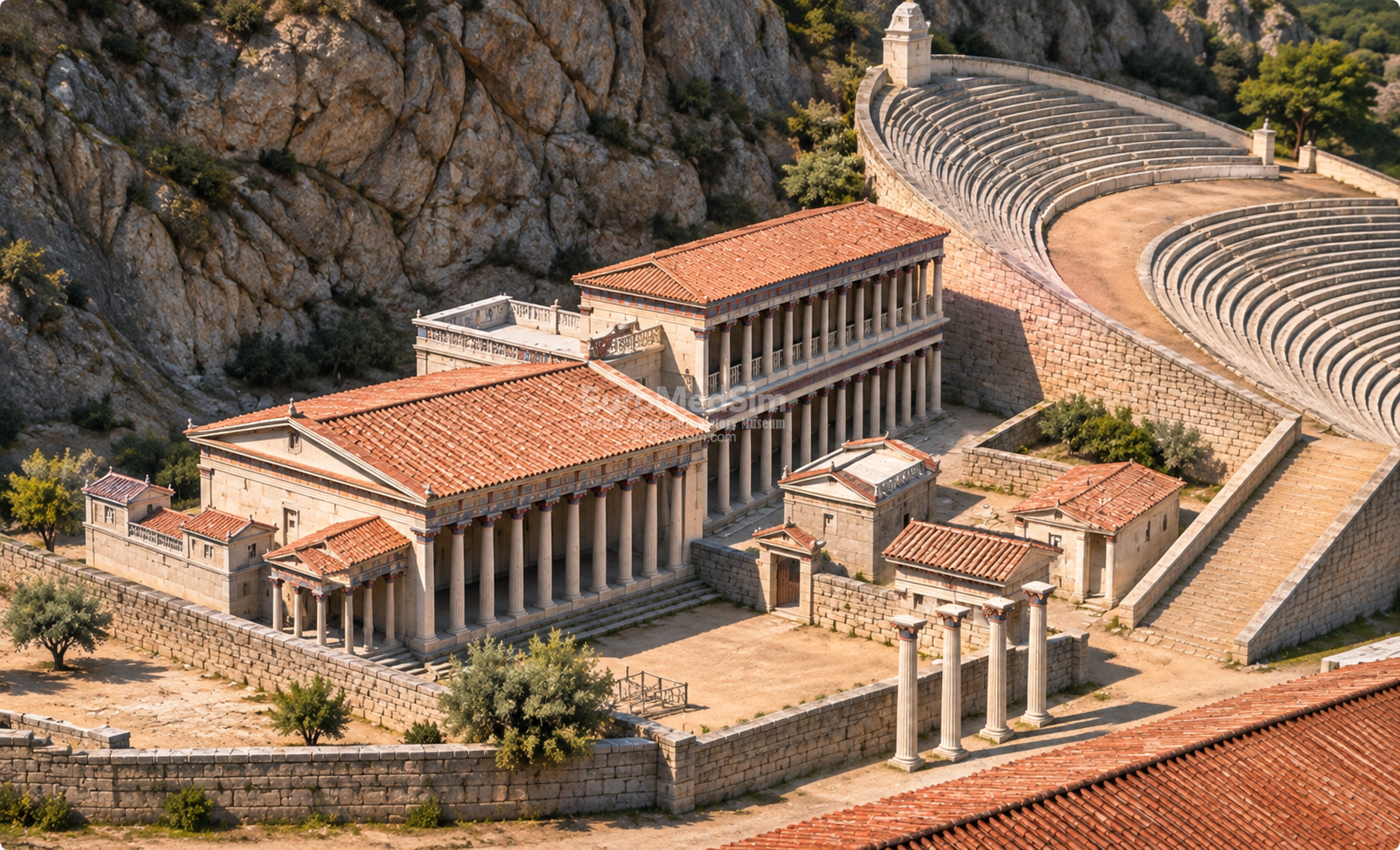
3D-reconstruction of the Asclepieion at Athenian Acropolis. Based on the 3D-plan given in the book by Giorgos Papathanassopoulos "The Acropolis: A Guide of the Monuments and Museum". Credit: EuroMedSim
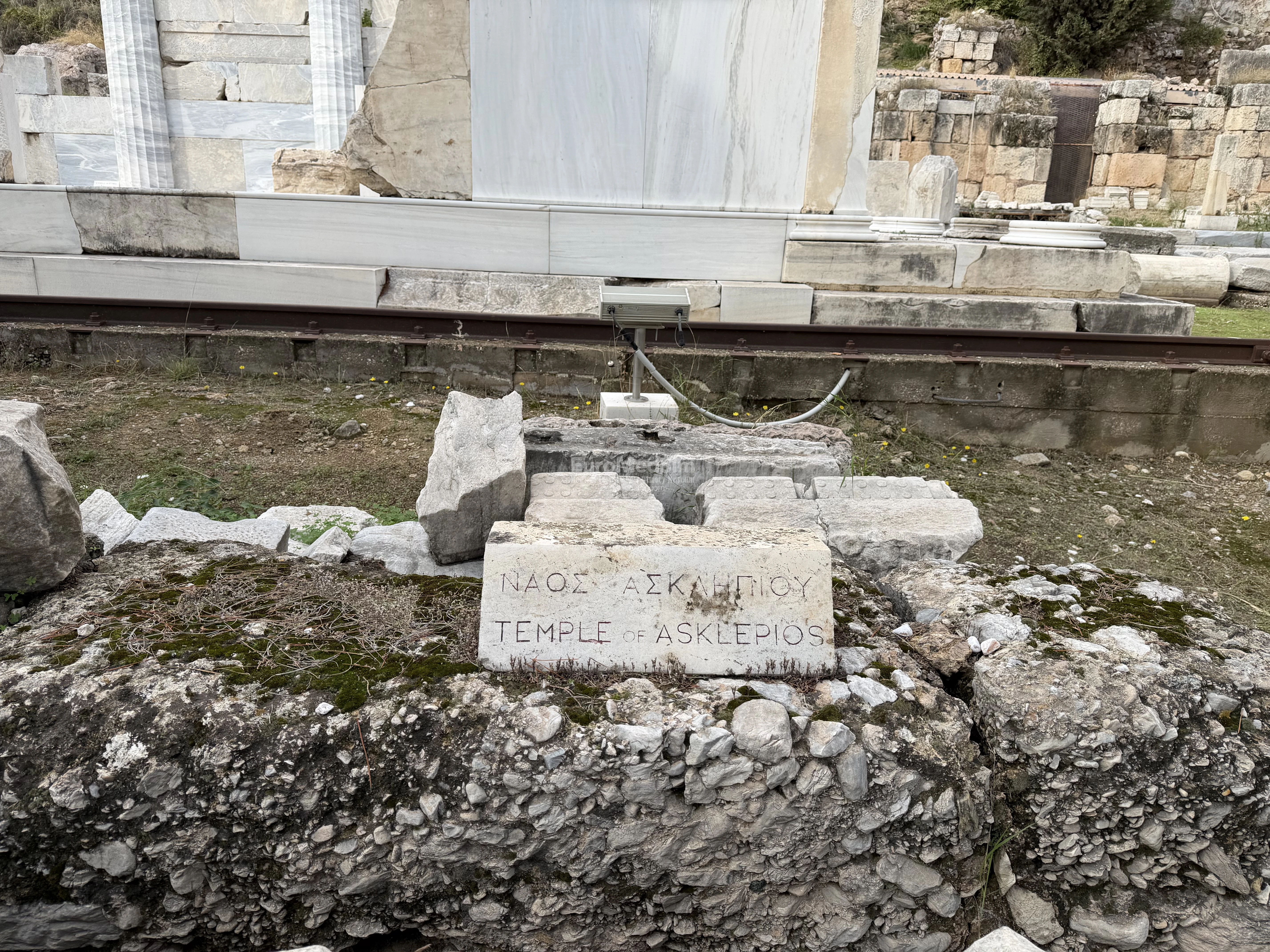
The Temple of Asklepios
The temple whose remains are visible today was constructed in the first century BC. Originally, it had a small inner chamber, or cella (Latin, "inner sanctuary"), and a façade with two columns between projecting side walls. In the third century AD, the temple was extended eastward to create a broader entrance porch, or pronaos (πρόναος, "space before the temple's inner chamber"), with a four-column façade.
The Greek traveler Pausanias, who visited Athens in the second century AD, reported that the temple contained statues of Asclepius and his children.
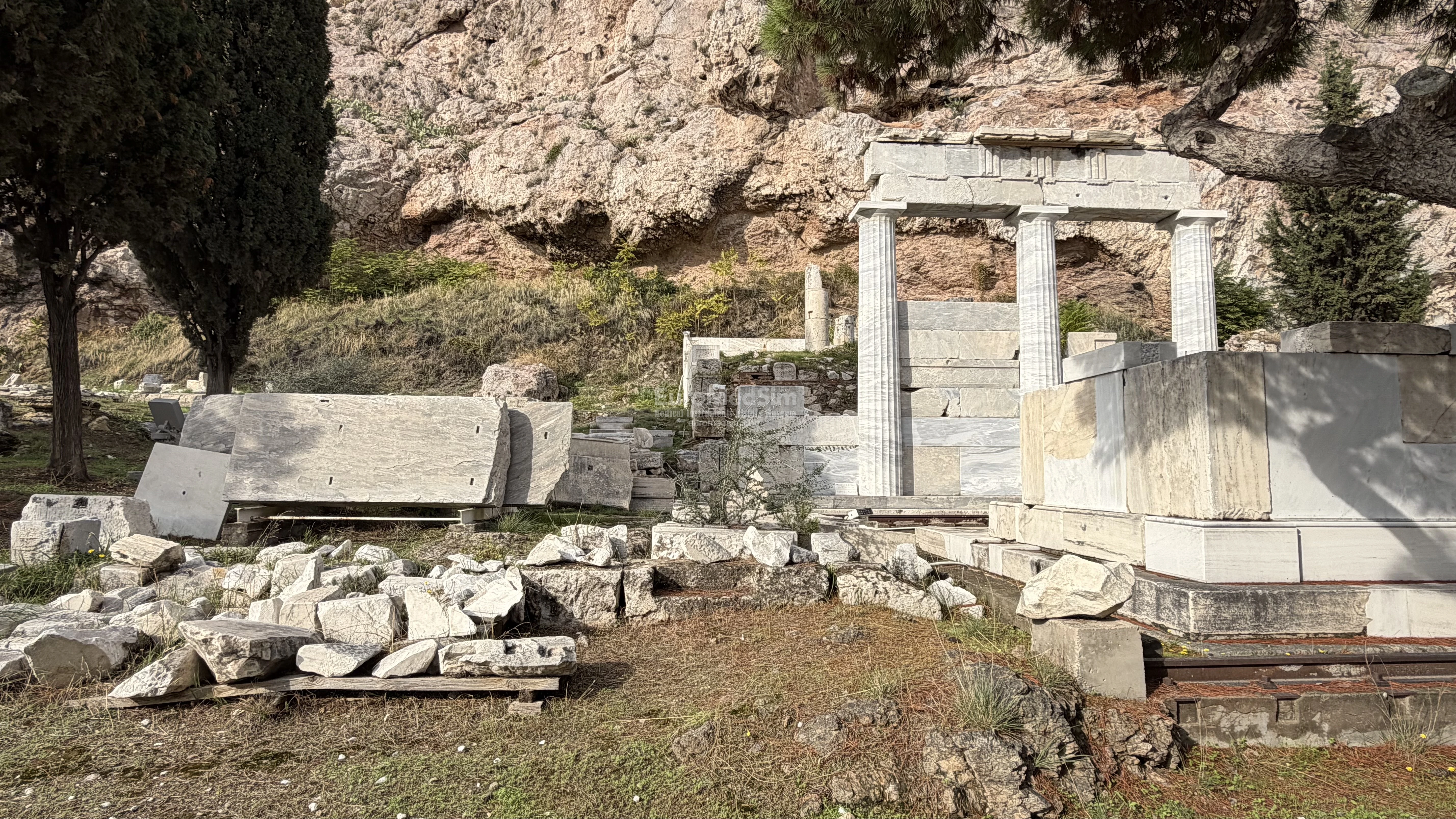
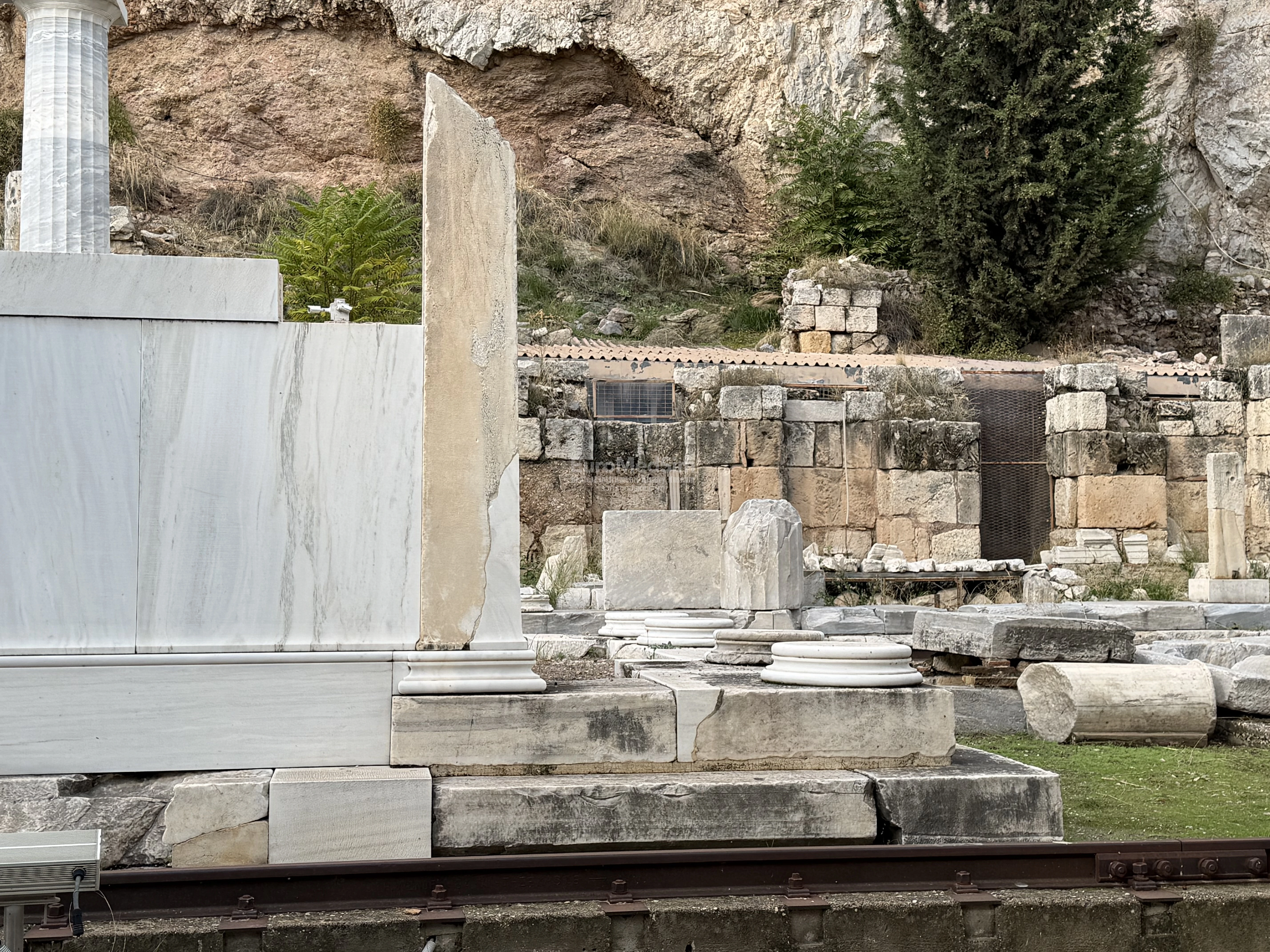
The contemporary photographs show the partially reconstructed marble walls, columns, and architectural elements of the temple. Their brilliant white surfaces contrast with the natural limestone cliff behind them. Although much of the original building has disappeared, the restored elements allow visitors to appreciate the temple's proportions and architectural character.
The Doric Stoa: A Hall for Healing Through Dreams
Healing in ancient Greek Asclepieia combined religious rituals, purification, rest, and faith in divine intervention. At the center of these practices stood Asclepius, the god of medicine and healing, who was believed not only to cure diseases but also to reveal methods of treatment to those seeking his help.
Around 300/299 BC, a two-story Doric Stoa was constructed along the northern side of the eastern courtyard. Its façade consisted of 17 Doric columns. The building served as a place for incubation, or enkoimesis (ἐγκοίμησις, "sleeping within a sacred place") — one of the most distinctive healing rituals of ancient Greek medicine, sacred sleep.
Patients who came to the sanctuary underwent preliminary ritual purification and religious ceremonies before spending the night in a designated sacred sleeping area. The Athenian Asclepieion possessed its own sacred spring, located in a small cave within the rock of the Acropolis. Water was believed to cleanse not only the body but also the individual in a religious sense. However, these practices should not be confused with modern therapeutic bathing or hydrotherapy: their original significance was primarily religious.
According to ancient beliefs, Asclepius appeared to patients in their dreams, sometimes accompanied by his sacred serpent. The god might touch the sick person, perform a miraculous surgical procedure, or provide instructions for recovery. In some accounts, healing occurred directly during sleep. Some accounts describe the god touching a patient, performing a symbolic surgical procedure, or prescribing a remedy. Others report that patients awakened to discover that their symptoms had disappeared. Such remarkable stories have survived particularly in the inscriptions recording miraculous cures at the Asclepieion of Epidaurus.
From a modern perspective, these rituals can be examined in relation to expectation, suggestion, religious experience, and psychophysiological responses. However, it would be misleading to describe incubation as an established form of psychotherapy or to assume that the reported cures represented objectively verified medical outcomes. The importance of these practices lies in what they reveal about ancient perceptions of illness, healing, and the relationship between body and mind.
Votive Offerings
Another distinctive feature was the tradition of votive offerings, derived from the Latin votum, meaning "vow." In gratitude for recovery, patients dedicated various objects to the deity, including representations of healed or afflicted body parts. These anatomical votives, made from stone, terracotta, or other materials, depicted hands, feet, eyes, ears, breasts, genitalia, uterus, and other internal organs. Such offerings could represent the body part for which divine healing was requested or express gratitude for a cure already received.
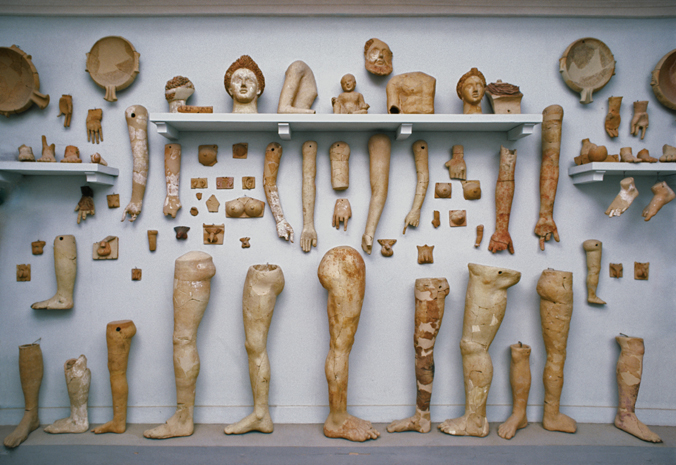
A collection of votive models of limbs and various organs. Terracotta, Asclepieion of Corinth, Archaeological Museum of Corinth, Greece
The tradition of anatomical votive offerings became widespread in ancient Roman Italy, particularly in its central regions, where archaeologists have discovered thousands of terracotta representations of human body parts. The custom of offering images of diseased or healed organs subsequently continued in European Christian culture. Similar offerings, often made of wax, could be found in churches and pilgrimage sanctuaries during the Renaissance and later periods.
This tradition is particularly significant in the history of medical visualization. Anatomical votives can be regarded as cultural predecessors of three-dimensional representations of the human body, which later acquired scientific and educational purposes.
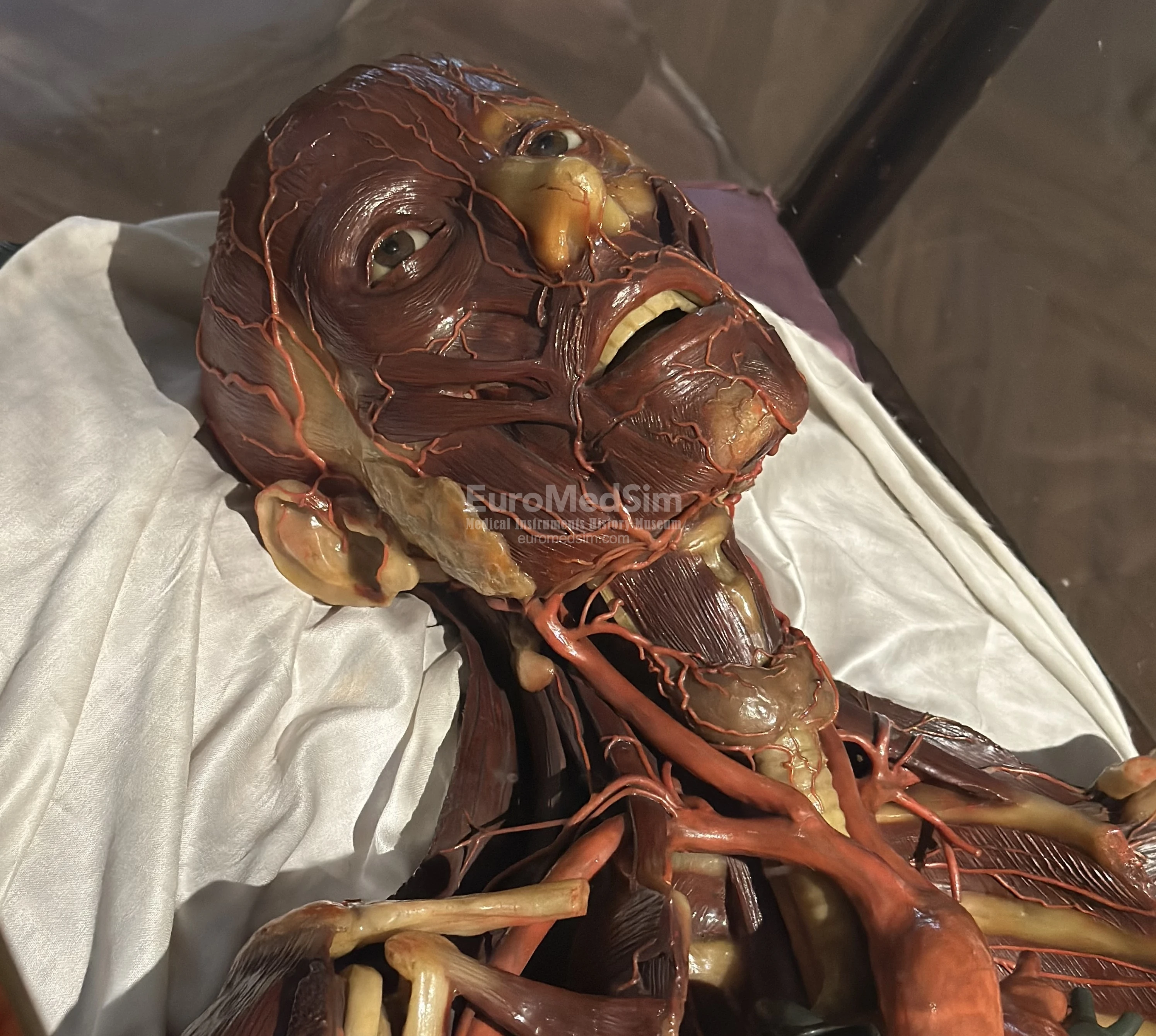
During the Renaissance, anatomical modeling developed alongside advances in human dissection and artistic representation. By the seventeenth and eighteenth centuries, the production of anatomical wax models had become a specialized field of medical science and education. Particularly famous examples are preserved in the La Specola Museum in Florence and the Josephinum in Vienna (extraordinary collection of anatomical and obstetric wax models commissioned from Florence by Emperor Joseph II in the eighteenth century). These collections demonstrate how the representation of human anatomy evolved into a sophisticated educational tool, combining scientific accuracy with exceptional artistic craftsmanship.
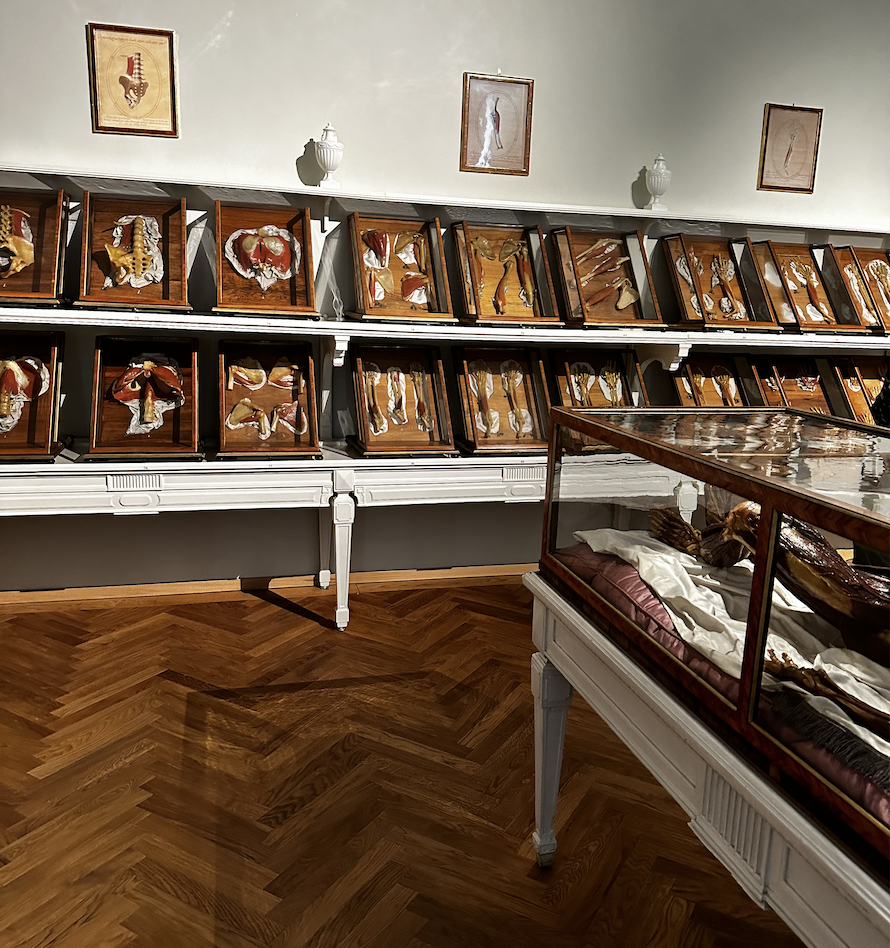
Anatomical wax models in Josephinum, Vienna, Austria
Nevertheless, there was no simple, uninterrupted line of development from religious anatomical votives to scientific anatomical models. The latter also emerged from advances in anatomical dissection, sculpture, and wax-working techniques. Both traditions, however, share an important principle: the creation of tangible representations of the human body to make structures, diseases, and otherwise inaccessible anatomical features visible and understandable.
Thus, the Asclepieion was much more than a temple where the sick prayed for recovery. It represented a distinctive healing environment in which architecture, water, sleep, dreams, and religious imagery were integrated into a unified therapeutic ritual. The surviving anatomical votive offerings also remind us of the long history of representing the human body — from appeals for divine healing in ancient sanctuaries to the scientific anatomical collections of Florence and Vienna, and ultimately to the anatomical simulators and virtual patients used in modern medical education.
The Athenian Asclepieion in the History of Medicine
The Athenian Asclepieion represents an era when the boundaries between religion, medicine, and psychological experience were very different from those of modern healthcare. Its history reminds us that healing has never been understood exclusively as a physical intervention.
Trust in the healer, expectations of recovery, ritual, social support, and the environment in which treatment occurs have all influenced how patients experience illness and recovery. Of course, ancient accounts of miraculous cures cannot be treated as equivalent to scientifically validated medical evidence. Nevertheless, the Asclepieion provides an invaluable perspective on the development of medical thought and the historical relationship between patients, healers, and society.
At the foot of the Acropolis, the surviving stones of the Asclepieion preserve the memory of a remarkable chapter in medical history — a time when people sought healing through nature, divine intervention, and the mysterious powers of the human mind.
References and Further Reading
- Archaeological description of the Athenian Asclepieion
- Aleshire, Sara B. The Athenian Asklepieion: The People, Their Dedications, and the Inventories. Amsterdam: J. C. Gieben, 1989.
- Aleshire, Sara B. Asklepios at Athens: Epigraphic and Prosopographic Essays on the Athenian Healing Cults. Amsterdam: J. C. Gieben, 1991.
- Aristophanes. Plutus (Wealth), lines 633–746. An ancient literary description of healing rituals in a sanctuary of Asclepios.
- Attic Inscriptions Online — Monument of Telemachos.
- Attic Inscriptions Online — Decree concerning repairs to the Asclepieion.
- Attic Inscriptions Online — Dedication of Hegemachos to Asclepios and Hygieia.
- Votive Offering for Healing. Welcome Collection